
Where you stay
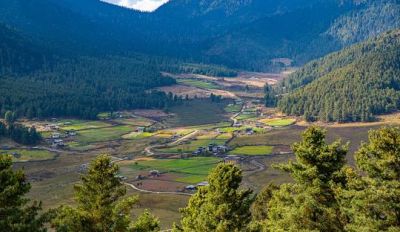
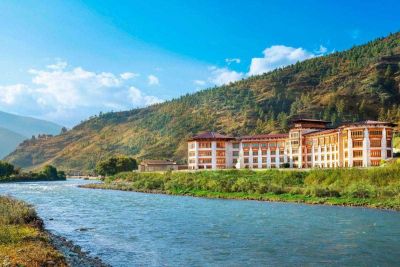
9 nights in 5 cities, 1 room. Similar hotels may be used if one is full.
What's included
- Accommodation
- Pickup and drop
- Sightseeing
- Meals
- Welcome Drink on Arrival
Trip details
Day by day
-
Day 1 Thimphu
Arrival at Paro international Airport to Thimphu
Welcome to Bhutan, the land of the Thunder Dragons. Touching down at Paro International Airport. You will be greeted by Bhutan GBS Tours and Travel’s representative. Today we will take it easy and acclimates to the altitude. Drive to Thimphu, check in at the hotel and let you have your first taste of Bhutanese cuisine and some sightseeing in Thimphu if possible.
-
Day 2 Thimphu
Thimphu Sightseeing
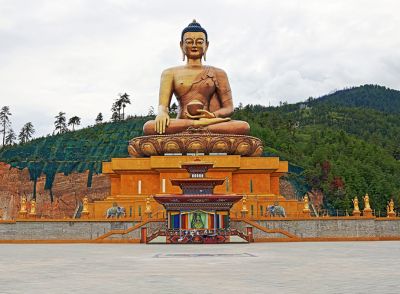
Morning drive to BBS Tower for fascinating view of Thimphu valley and later visit mini zoo(Takin Preserve Center), Tashi Chho Dong, Buddha Point(Kuensel Phodrang), Memorial Chorten (stupa) and Simply Bhutan- The Living museum when you can enjoy the cultural dance of Bhutan.
Afternoon, as the time permits, visit to School of Arts & Crafts, Textile Museum Paper Factory, Folk Heritage Museum and Handicrafts Emporium(Craft Bazzer) later evening visit Chang Yul Park. -
Day 3 Punakha
Thimphu to Punakha
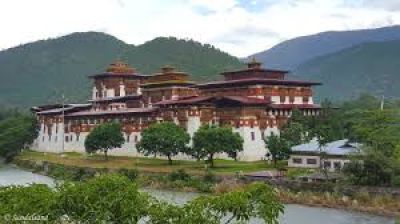
Early morning after breakfast drive to Punakha, En-route stopover at Dochula Pass where 108 Chorten was built by the present Queen Mother of Bhutan Ashi Dorji Wangmo to commemorate Bhutan’s over Indians militants and to liberate the soul of the soldiers lost. Punakha Dzong: Built-in 1637, the dzong continues to be the winter for the clergy, headed by Chief Abbott, the Je Khenpo. It is a stunning example of Bhutanese architecture, sitting at the fork of two rivers portraying the image of the medieval city from a distance. The dzong was destroyed by fires and glacial floods over the years but has been carefully restored and is today a fine example of Bhutanese craftsmanship. Longest suspensory bridge of the Kingdome.
Later if possible go for river rafting -
Day 4 Bumthang Valley
Punakha to Bumthang
Drive from Punakha to Bumthang via Trongsa (8 hrs) over Pele La pass (3,420m) on the Black Mountain range. En route visit beautiful Chendebji Chorten, erected in the 18th century.
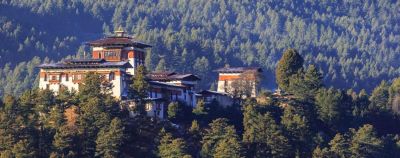
The imposing Trongsa Dzong can be viewed across a deep canyon to signal your approach to the town around a curving road. Trongsa is the ancestral home of Bhutan’s ruling dynasty. After lunch, visit Trongsa Dzong, the largest Dzong in Bhutan. The view from the Dzong is spectacular and one can see across the landscape for many miles. Also, visit the Ta Dzong museum housing an incredible collection of historical artifacts of the Royal Family.
Continue driving to Bumthang, home to some of Bhutan’s oldest Palaces and temples. The valley’s barley fields, apple groves, and meadows lay below huge hills which climb up towards the Himalayan mountain wall separating Bhutan from Tibet. -
Day 5 Bumthang Valley
Bumthang Tour
Bumthang Valley is known as the heartland of Buddhism in Bhutan. In 746 AD, it is said that Guru Rinpoche arrived here to exorcise a demon from the king and then converted the people to Buddhism, restoring peace to the region. Guru Rinpoche stayed in the valley to build more than 40 temples.
In the morning, we hike to Tamzhing Goemba. Building 1501, is an important monastery because of its direct connection to the Buddhist saint, Pema Lingpa. We will then visit the sacred monastery Kurjey Lhakhang, which houses a rock that shows Guru Rinpoche’s body imprint after he subdued the powerful Shelging Karpo demon.
According to legend, a giant demoness was preventing the spread of Buddhism by laying her body across Tibet and Bhutan. In 659 AD, King Sontsen Gambo built 108 temples in one day, pinning her to the earth. Jambay Lhakhang is one of the two temples built in Bhutan that day, and every October it hosts a colorful festival to celebrate.
Jakar Dzong was founded in 1549 by the great grandfather of Zhabdrung Ngawang Namgyal, the father, and unifier of medieval Bhutan. Known as the Castle of the White Bird, it was built on top of the hill because the lamas were directed there by a large white bird.
In the afternoon, we will take an easy hike to the Thangbi Lhakhang. Situated in the picturesque Thangbi Valley, it is only accessible by foot and across a suspension bridge. -
Day 6 Phobjikha Valley
Bumthang to Gangtay/Phobjikha
On our way to Gangtey, we will pass through Trongsa, the ancestral home of the Wangchuck monarchy. Meaning new town, the first temple was built here in 1543. Traditionally, each king of Bhutan has held the position of Trongsa Penlop (governor) before wearing the Raven Crown.
Trongsa Dzong was built in 1644 and controlled by the Wangchuck dynasty until they became the rulers of Bhutan in 1907. Occupying the only road that connected eastern and western Bhutan, all trade was controlled by this dzong. Flourishing under the command of Zhabdrung Ngawang Namgyal, this massive structure with its high walls could shut down all trade between the east and west by closing its doors.
Up the mountain sits the Taa Dzong, a watchtower built in 1652 to ward off attacks on the town below. It now serves as home to the Royal Heritage Museum, highlighting the history of the area and the Wangchuck dynasty. Featuring Buddhist art, royal memorabilia, a 500-year-old jacket of Ngagi Wangchuck, and Padma Kathang’s copy of the handwritten biography of Guru Rinpoche. You can read more about the history and importance of the Taa Dzong in the book, Tower of Trongsa by Christian Schicklgruber. -
Day 7 Phobjikha Valley
Gangtay Tour
Today we travel to Phobjikha (Gangtey) Valley. Known as the winter home of the black-necked cranes (Grus nigricollis), you can see 600 of these elegant, shy birds that migrate here from Tibet between November and March. This bowl-shaped valley is also a wildlife preserve, so you might also see the other native animals to Bhutan, including the muntjac, sambar, serow, or yak.
Gangtey Goemba is a 17th-century monastery that sits on a hill, overlooking the entire valley. An excellent example of Tibetan architecture is the prayer hall (Ashokan), which features eight great pillars. In the 15th-century, the Buddhist saint Pema Lingpa foretold that a temple would be built there, so his teachings could be spread. In 1613, his grandson, and reincarnation of Pema Lingpa, fulfilled the prophecy by building a Nyingma temple at the location. Kuenzang Chholing, the long white building nearby, is where monks go to meditate for three years, three months, and three days.
While visiting Gantey Valley, you can stain the hotel or room with a local family in a modest farmhouse. This unique opportunity will allow you to get to know a Bhutanese family more closely by interacting with them on a personal level. -
Day 8 Paro
Gangtay/ Phobjikha to Paro
We head back to scenic Paro Valley, home to many of Bhutan’s oldest monasteries and the country’s only airport. This mixture of old and new makes Paro an important part of Bhutan’s past, present, and future.
The valley is home to Chomolhari (Jomolhari) Mountain, located on the northwestern border of Bhutan and Tibet. Often called the wife of Kangchenjunga, the world’s third-highest mountain, Chomolhari is Bhutan’s third tallest mountain at 24,035 feet. The glacier waters flowing from the mountain feed the rivers of the Paro Valley.
Evening if the time permits, stroll doe the Local Market. -
Day 9 Paro
Hike to Paro Taktsang (Tiger’s Nest Monastery)
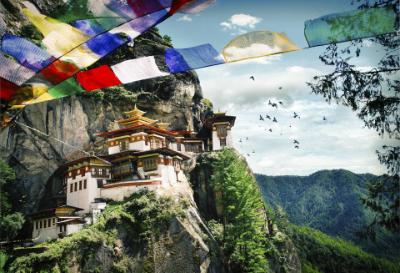
Today, you will trek up the mountain to view the enchanting Taktsang Monastery
(Tiger’s Nest) that clings dramatically on a huge rock cliff, 900m above the valley. The 2-3 hours hike (each way) takes you through pine forests with a spectacular view of the valley below.
We end our tour with a visit to Kyichu Lhakhang, one of the oldest Buddhist temples in Bhutan. Tibetan King Songtsen Gambo the second of two temples builds this in Bhutan in a single day to hold down the giant demoness who was preventing the spread of Buddhism.
In the evening, go for a Traditional Hot Stone Bath -
Day 10
Paro Airport Departure
Your guide will see you off at the Paro International Airport.