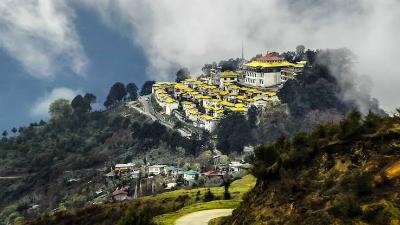
Seven Sisters Botanical Gardens
If you are planning a trip to Northeast India and want a place that feels calm, green and easy to enjoy at your own pace, Seven Sisters Botanical Gardens deserves a spot on your list. This guide is for Indian travellers who want practical details before they go: the best months, how much to budget, what to expect inside, and how to combine the visit with other places in the Seven Sisters region.
The idea here is simple. You should be able to decide quickly if the garden fits your trip, and if it does, know exactly how to make the most of a half-day or full-day stop.
What Seven Sisters Botanical Gardens is all about
Seven Sisters Botanical Gardens is best understood as a peaceful green escape in the Seven Sisters destination area, where the focus is on plants, local landscapes and a slower travel rhythm. Unlike busy sightseeing spots, this is the kind of place where you can walk, sit, take photographs and let the weather and scenery do most of the work.
For many travellers, that is the appeal. The Northeast is often packed with waterfalls, viewpoints and long drives, so a botanical garden gives you a welcome pause. It works well for couples, families with children, senior travellers and anyone who prefers nature without trekking for hours.
Why you should include it in your Seven Sisters trip
The Seven Sisters region is known for its hills, cloud cover, clean air and rich plant life. A botanical garden gives you a closer look at that side of the destination. You are not just passing through scenery; you are spending time among carefully maintained plants, shaded paths and quiet corners that make the region feel more personal.
If your trip already includes waterfalls, lakes, monasteries or hill viewpoints, this garden adds balance. It is also a good stop on days when the weather is too misty for far views or when you want a lighter activity between longer drives.
- Good for a relaxed 1-2 hour visit
- Useful as a family-friendly stop
- Works well in cloudy, drizzly weather
- Suitable for plant lovers, photographers and slow travellers
Best time to visit
The best time to visit Seven Sisters Botanical Gardens is usually during the drier months, from October to April. During this period, the weather is more comfortable for walking, and paths are less likely to be slippery. Early mornings and late afternoons are especially pleasant if you want cooler temperatures and softer light for photos.
Monsoon months can be beautiful too, but you should be prepared for rain, humidity and possible muddy sections. If you are travelling in June to September, carry rain protection and check local conditions before leaving your hotel. Weather in the Northeast changes quickly, so it is wise to confirm opening hours and access on the day of your visit.
| Season | What to expect | Travel note |
|---|---|---|
| October to February | Cool, clear and comfortable | Best overall for most visitors |
| March to May | Warmer days, fresh greenery | Good for photos and plant viewing |
| June to September | Rainy, misty, lush | Carry rain gear and expect delays |
How to reach the garden
Your exact route will depend on which part of the Seven Sisters region you are using as your base. In general, most visitors arrive by road from a nearby town or city and then take a short local drive to the garden. If you are flying in, you will usually first reach the nearest major airport in the region and continue by taxi, shared vehicle or private cab.
For Northeast trips, road journeys often take longer than they look on a map. Distances may be modest, but hill roads, traffic, fog and roadwork can extend travel time. A route that appears to be 25 km away can still take 45 minutes to 1.5 hours, depending on conditions. Always ask your hotel for the current travel time before you set out.
If you prefer comfort, hire a cab for a half-day or full-day sightseeing plan. For budget travel, shared local transport may be available in nearby towns, though it can be less flexible for a garden visit where you may want to stay longer.
What you can see and do inside
Expect a calm walk rather than an action-filled attraction. The garden is best enjoyed slowly, with time to notice plant varieties, landscaped sections and the overall atmosphere. If the property includes themed beds, native species, herb sections or flower patches, take a little extra time there, as these areas often offer the best photographs and the most educational value.
Walk the paths at an easy pace
The best way to experience a botanical garden is to move without rushing. Give yourself room to stop, look at plant labels if they are available, and enjoy the views. In a destination like Seven Sisters, where the scenery is often dramatic, a garden walk gives you a more grounded, intimate view of the region.
Look for local plant species
Botanical gardens in Northeast India often highlight native and regionally important plants. You may see orchids, ferns, flowering shrubs and trees that suit the cooler, wetter climate. If you are interested in local ecology, this can be one of the most rewarding parts of the visit.
Use the space for photography
Soft morning light, mist and greenery can make for excellent photographs. If you are travelling with a phone camera, you do not need special gear to capture attractive shots. Just remember to be respectful around plant beds and avoid stepping into restricted areas for a better angle.
Suggested itinerary for your visit
If you are short on time, a 2-hour stop is enough to walk through the main areas, take photos and rest for a bit. If you enjoy plants or want a more relaxed pace, set aside half a day and combine the garden with a nearby viewpoint, local market or café stop.
- Arrive in the morning or late afternoon when it is cooler.
- Spend 60-90 minutes walking through the garden.
- Take a tea break or snack break nearby.
- Pair the visit with one more local attraction in the Seven Sisters area.
If you are travelling with children, keep the plan lighter. Kids usually enjoy open spaces and flowers, but they may get bored if the visit stretches too long. A short, cheerful visit plus another easy stop usually works best.
Nearby places to combine with the garden
The Seven Sisters destination is best explored as a cluster of experiences rather than one isolated stop. Depending on your exact base, you can often combine the botanical gardens with waterfalls, ridge viewpoints, local craft markets or heritage spots. The idea is to keep driving time reasonable and avoid overpacking the day.
Good pairings usually include places that need little physical effort. A botanical garden followed by a lake or viewpoint makes for a gentle day. If you enjoy food, a nearby lunch stop featuring local rice dishes, smoked meat, bamboo shoot preparations or regional thalis can round out the outing well.
- Nearby viewpoints for sunset or misty valley views
- Local markets for flowers, handmade items and food
- Waterfalls or short nature walks if roads are clear
- Town centres for a café break or simple lunch
Practical tips before you go
A little preparation makes a big difference in the Northeast. Weather, road conditions and opening hours can change more often than travellers expect, especially during the rainy season. Keep your plan flexible and do not schedule a long onward drive immediately after your visit if you can avoid it.
- Carry water, sunscreen and a cap in warmer months.
- Wear comfortable shoes with grip, especially during or after rain.
- Keep a light jacket handy; evenings can turn cool quickly.
- Ask locally about entry fee, opening hours and photography rules before reaching.
- Carry cash, as small attractions may not always accept digital payment.
Indicative costs can help you plan better. Entry charges, if applicable, may be around ?20-?100 per person. A local taxi for a half-day outing might cost ?1,500-?3,000 depending on distance, waiting time and season. If you are staying in a nearby town, mid-range accommodation in the area may fall around ?2,500-?4,500 per night, while simpler stays can be lower and better hotels can be higher. These are only rough ranges, so confirm everything before booking.
Where to stay and how to budget
Most travellers visit Seven Sisters Botanical Gardens as part of a larger Northeast itinerary, so it helps to stay in a nearby town with decent road access. Choose a base that reduces travel time and gives you easy access to taxis, food and shops. If you are on a limited budget, keep the garden visit as a half-day plan and avoid unnecessary back-and-forth travel.
A practical daily budget for a comfortable traveller can look like this: local transport ?1,500-?3,000, food ?500-?1,200 per person, entry fees and small purchases ?100-?300, and stay depending on hotel category. If you are on a tighter budget, shared transport and simple meals can bring costs down, but you may need to give up flexibility.
Frequently Asked Questions
How much time do I need for Seven Sisters Botanical Gardens?
Most visitors need 1-2 hours to enjoy it properly. If you like taking photographs, reading plant information or walking slowly, plan for 2-3 hours. It is easy to pair with another nearby stop on the same day.
Is the garden suitable for children and senior travellers?
Yes, it is usually one of the easier nature attractions to visit because it does not require trekking. Children can enjoy the open space and greenery, while senior travellers can take it at a comfortable pace. Just check that the walking paths are suitable for everyone in your group.
What should I wear when visiting?
Wear comfortable walking shoes and light layers. In the Northeast, weather can change quickly, so a jacket or rain cover is useful even if the day starts bright. If you are travelling in monsoon months, choose footwear with good grip.
Is photography allowed?
In most botanical gardens, photography is usually allowed in common areas, but some sections may have restrictions. Rules can change, so ask at the entrance or with local staff before you begin. Be careful not to damage plants while taking pictures.
Can I visit the garden during the monsoon?
Yes, but you should be prepared for rain and slippery paths. The surroundings can look especially green and fresh, which many travellers enjoy. Still, it is smart to keep your plan flexible and check road conditions before leaving.
How do I know if it fits into my Northeast itinerary?
If you enjoy nature, easy walking and quiet sightseeing, it fits very well. It is a good choice when you want variety without adding a tiring activity to the day. If your trip is already packed with long drives and adventure stops, this garden gives you a calmer break in the itinerary.
Conclusion
Seven Sisters Botanical Gardens is a sensible, soothing stop for anyone exploring the Seven Sisters destination. It is not about rushing from one viewpoint to another; it is about slowing down, noticing the region’s plant life and adding a peaceful hour or two to your journey.
If you are planning a Northeast India trip and want a mix of scenery, culture and easy nature time, this garden can fit in neatly without complicating your route. Share this post with a fellow traveller who is planning a Seven Sisters itinerary.
Disclaimer : The information provided in this blog is for general informational purposes only. While we strive to keep the content accurate and updated, TravelSetu assumes no liability for errors or omissions. If you believe any part of this blog infringes your rights or causes concern, please notify us immediately at info[at]travelsetu[dot]com so that appropriate action can be taken.