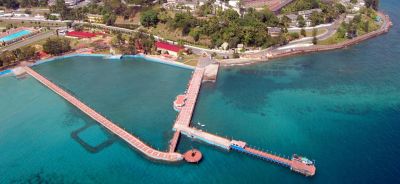
Andaman Reef Monitoring Programmes
If you are planning a trip to the Andaman Islands and care about coral reefs, this guide will help you understand how reef monitoring works here and why it matters to your travel choices. You will also learn where the most active reef-survey efforts happen, how you can support them as a visitor, and what to keep in mind if you want to snorkel or dive responsibly in the islands.
Why reef monitoring matters in the Andaman Islands
The Andaman archipelago sits in the Bay of Bengal and holds some of India’s most important coral ecosystems. Reefs here support reef fish, turtles, sea cucumbers, rays and many other species, while also protecting the coastline from wave action. After bleaching events, storms and pressure from tourism, monitoring programmes help track reef health so conservation teams can see where coral cover is recovering, where it is declining, and what kind of action is needed.
For you as a traveller, reef monitoring is not just a scientific activity happening far away from your holiday. It affects which snorkelling sites are open, what rules apply at marine parks, and how local dive operators brief guests before entering the water. In places like North Bay, Mahatma Gandhi Marine National Park, Jolly Buoy and the waters around Havelock and Neil, monitoring data helps guide the balance between tourism and protection.
What reef monitoring programmes actually do
In simple terms, reef monitoring programmes measure the condition of coral reefs over time. Teams may record coral cover, bleaching, signs of disease, fish abundance, broken coral, water clarity and the impact of tourism activity. In the Andamans, these surveys are often carried out by a mix of marine researchers, forest and fisheries departments, conservation groups and trained dive professionals.
The methods vary by site and season. A team may swim along fixed transects, take repeat photographs from the same points, or record visual estimates of coral and fish life. In some areas, volunteers and dive staff are trained to help collect data. The value lies in repetition: one survey tells you very little, but surveys done month after month or season after season reveal trends that matter.
What gets measured in Andaman reefs
- Coral cover: the percentage of reef surface covered by living coral.
- Bleaching: when coral turns pale due to stress, often linked to warm water.
- Fish counts: how many reef fish are present and which species are common.
- Physical damage: broken corals, anchor scars and trampling.
- Water conditions: visibility, sedimentation and sometimes temperature.
Key reef monitoring areas in Andaman
Not every reef in the islands is monitored in exactly the same way, but some areas are especially important because they are used for tourism, protected as marine parks, or known for their biodiversity. If you are travelling to South Andaman, Havelock or Neil, you are likely to hear these names from boat operators and guides.
South Andaman and Port Blair side
North Bay, Ross Island area, Coral Island zones and parts of the Mahatma Gandhi Marine National Park are often discussed in the context of reef health. The waters here receive a steady flow of visitors, which makes monitoring especially useful. You may also come across interpretive briefings from local operators who explain what not to touch and where to enter the water safely.
Havelock Island
Havelock, especially around popular snorkelling and diving sites, is one of the most visited reef destinations in Andaman. Because it attracts beginners and certified divers alike, monitoring helps track the effect of repeated use on reef edges and shallow coral gardens. Sites can change in quality across seasons, so the advice you get from your dive centre matters more than a generic online list.
Neil Island
Neil’s reef areas are often calmer and more compact, which makes them easier to explain to first-time snorkellers. Monitoring here is important because small reef systems can show stress quickly if visitor behaviour is poor. The sandy lagoons and shallow coral patches around the island also help researchers compare how different reef habitats respond to disturbance.
Who runs reef monitoring in Andaman
Reef monitoring in the islands is typically a shared effort rather than the work of one single organisation. Government departments manage protected areas and tourism rules, while research institutions and conservation groups contribute surveys and long-term observation. Local dive centres also play a practical role because they visit the same sites repeatedly and notice changes early.
In many cases, the people with the strongest day-to-day knowledge are local instructors, boat crew and guides. They know which sites are healthy after monsoon runoff, where currents are strongest, and when visibility improves. Their observations may not always be published in a formal report, but they are often part of the informal network that helps keep reef use safer and more sustainable.
How tourists may indirectly support monitoring
Even if you are not a diver, your choices affect the quality of reef monitoring. Booking with operators who follow briefings, keep group sizes small and avoid reef contact helps reduce damage and makes survey data more meaningful. Paying entry fees for protected areas, respecting no-anchor zones and following marine park rules also supports the system that funds conservation work.
Best time to see healthy reefs and take part responsibly
The Andaman Islands are generally most favourable for sea activities from October to May, when the weather is calmer and water visibility is often better. February to April can be especially useful for snorkelling and diving, though conditions vary by site and year. The monsoon months, roughly June to September, can bring rougher seas, reduced visibility and more cancellations.
If your interest is reef monitoring rather than just recreation, ask local operators about the condition of the reefs at the time of travel. After periods of warmer water, some reefs may show bleaching stress, while others may remain in better shape depending on depth, current and location. A good operator will be honest about visibility, surface chop and whether a site is suitable for beginners.
| Season | Typical conditions | What it means for reef visits |
|---|---|---|
| October to December | Improving seas after monsoon, moderate visibility | Good for snorkelling and early-season surveys |
| January to April | Often calmer and clearer | Best overall window for reef viewing and monitoring trips |
| May | Warmer water, weather becoming less predictable | Still possible, but conditions can change quickly |
| June to September | Monsoon influence, rough seas, lower visibility | Limited for reef activities; many operators reduce operations |
How you can travel without harming the reef
Reef monitoring works best when visitors behave in ways that minimise stress on the ecosystem. The Andamans are beautiful precisely because the marine environment is still relatively intact in many places, so even small mistakes can add up. A single kick of a fin may not look serious, but repeated contact from many visitors can damage fragile coral branches and stir up sediment.
Simple reef-safe habits
- Never stand on coral, even in shallow water.
- Use reef-safe sunscreen sparingly and apply it well before entering the water.
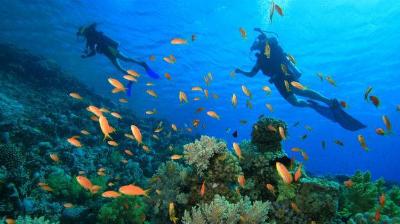
- Keep your fins up and your body horizontal when snorkelling.
- Do not collect shells, coral fragments or marine life.
- Follow your guide’s instructions on entry, exit and current awareness.
- Avoid feeding fish, as it changes natural behaviour.
If you are diving, ask whether the operator has a buoyancy check, a small-group policy and clear rules on photography. Good buoyancy protects corals more effectively than any signboard. If you are snorkelling, choose sites where the boat drops you over sandy or designated entry zones rather than over fragile reef shelves.
Reef monitoring and island tourism: what changes on the ground
When reef surveys show signs of stress, the effects can filter down into tourism planning. Operators may be asked to move moorings, limit the number of boats, close a site temporarily or redirect visitors to more resilient spots. This is common-sense management, not a nuisance, because a short closure can prevent a much bigger loss later.
For travellers, this means flexibility is important. A place that looks ideal on social media may be under recovery or affected by seasonal conditions when you arrive. In the Andaman Islands, the best experiences often come from trusting local judgement instead of insisting on one fixed site. If one reef is closed, your operator may suggest another area with better visibility and lower ecological pressure.
A practical 4-5 day reef-focused Andaman plan
If you want to combine a beach holiday with reef awareness, you can plan a short trip around Port Blair, Havelock and Neil. This is a realistic way to experience different reef settings without rushing. Travel times are indicative and depend on ferry schedules, sea conditions and seasonal changes, so confirm everything before booking.
- Day 1: Port Blair — Arrive, settle in and visit a marine-focused museum or interpretive centre if available. Use the evening to ask local operators about current reef conditions and protected area rules.
- Day 2: North Bay or nearby reef area — Take a short snorkelling trip with a registered operator. Focus on observing coral shapes, fish schools and your own buoyancy.
- Day 3: Transfer to Havelock — The ferry from Port Blair usually takes around 1.5 to 2.5 hours depending on service. Choose an afternoon boat or use the day for rest and briefing.
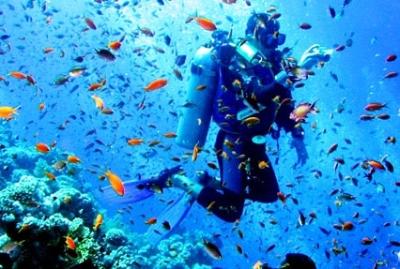
- Day 4: Havelock reef activity — Join a snorkel or introductory dive session, depending on your comfort level. Expect package prices to vary widely, often around ?2,000-?5,000 for snorkelling and ?4,000-?8,000 or more for beginner scuba experiences, depending on inclusions.
- Day 5: Neil or return — If time allows, visit Neil for a quieter reef experience before heading back. Ferries and inter-island boats can change due to weather, so build in buffer time.
Costs to expect for reef-related activities
Prices in the Andamans change by season, operator and inclusion, but a rough budget helps. Basic snorkelling trips may start around ?1,500-?3,000 per person, while scuba diving experiences for beginners often fall between ?4,000 and ?8,000 per dive or package. Marine park entry fees, boat charges and equipment rental can add to the total, so always ask for a full breakdown before you pay.
If you are travelling in a small group, package rates may be more economical than booking each activity separately. However, do not choose only on price. A cheaper trip that sends too many people into the same fragile site can be worse for the reef and less enjoyable for you.
Frequently Asked Questions
Are reef monitoring programmes open to tourists in Andaman?
Most formal monitoring work is not a tourist activity, but some operators and conservation groups occasionally involve visitors in awareness sessions or citizen-science style experiences. If you want to learn more, ask your dive centre whether they share reef reports or conduct training on buoyancy and reef etiquette. Availability depends on the organisation and season.
Which Andaman islands are best for reef viewing?
Havelock and Neil are among the most popular for snorkelling and diving because they have easy access to reef sites and strong visitor infrastructure. South Andaman areas near Port Blair also offer reef experiences, especially for shorter trips. The best island for you depends on your comfort level, weather, and whether you want beginner-friendly water or more varied dive sites.
Can I help with reef conservation if I am not a scientist?
Yes. The most important help you can give is to behave responsibly in the water and choose operators who do the same. You can also share accurate information, avoid touching coral, and support eco-aware businesses that respect marine park rules. Even simple actions reduce pressure on the reefs that monitoring teams are trying to protect.
Is scuba diving better than snorkelling for reef monitoring?
Neither is automatically better. Snorkelling lets you observe shallow reef flats and can be ideal for first-time visitors, while scuba gives you access to deeper reef zones where coral stress may show differently. For conservation, the key is not the activity itself but how carefully you move and how much you disturb the habitat.
What should I do if a reef site looks damaged or overcrowded?
Tell your guide politely and ask if there is a quieter alternative. In many cases, operators already know which sites are under pressure and can switch plans. If you notice obvious damage such as anchoring on coral or people standing on the reef, avoid copying that behaviour and report it to the operator or local authorities if appropriate.
Do weather and tides affect reef monitoring in Andaman?
Yes, quite a lot. Rough seas, murky water and stronger currents can make surveys less reliable and can also affect whether tourism boats operate. This is one reason reef data is collected repeatedly across different months, so scientists can separate seasonal change from long-term stress.
Conclusion
Andaman reef monitoring programmes may work quietly in the background, but they play a major role in protecting the islands you come to enjoy. If you travel with a little awareness, follow local guidance and choose reef-safe operators, you become part of the solution rather than part of the problem. That way, your snorkelling or diving trip adds to the islands’ future instead of taking from it.
If this guide helped you plan a more responsible Andaman trip, please share the post with other travellers who care about the islands’ reefs.
Disclaimer : The information provided in this blog is for general informational purposes only. While we strive to keep the content accurate and updated, TravelSetu assumes no liability for errors or omissions. If you believe any part of this blog infringes your rights or causes concern, please notify us immediately at info[at]travelsetu[dot]com so that appropriate action can be taken.
 Tourism (183)
Travel Tips (329)
Kashmir (2611)
Honeymoon (102)
Srinagar (391)
Pahalgam (356)
Gulmarg (356)
Sonmarg (354)
Yusmarg (50)
Gurez Valley (50)
Doodhpathri (50)
Katra (50)
World (3)
India (136)
Himachal (574)
Manali (56)
Shimla (41)
Family Tour Packages (50)
Sikkim (981)
Gangtok (211)
Darjeeling (234)
Andaman (599)
Kerala (555)
Rajasthan (566)
Seven-Sisters (114)
Meghalaya (59)
Uttarakhand (519)
Gujarat (300)
South-India (350)
Ooty (33)
Ladakh (78)
Year (72)
2023 (33)
2024 (121)
Itinerary Ideas (5)
Goa (85)
Tourism (183)
Travel Tips (329)
Kashmir (2611)
Honeymoon (102)
Srinagar (391)
Pahalgam (356)
Gulmarg (356)
Sonmarg (354)
Yusmarg (50)
Gurez Valley (50)
Doodhpathri (50)
Katra (50)
World (3)
India (136)
Himachal (574)
Manali (56)
Shimla (41)
Family Tour Packages (50)
Sikkim (981)
Gangtok (211)
Darjeeling (234)
Andaman (599)
Kerala (555)
Rajasthan (566)
Seven-Sisters (114)
Meghalaya (59)
Uttarakhand (519)
Gujarat (300)
South-India (350)
Ooty (33)
Ladakh (78)
Year (72)
2023 (33)
2024 (121)
Itinerary Ideas (5)
Goa (85)