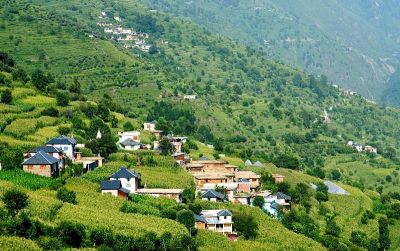
Himachal Mule Tracks and Old Trade Paths
If you are planning a slower, more grounded trip through Himachal, mule tracks and old trade paths give you a very different experience from the usual highway circuit. These routes take you through villages, river crossings, cedar forests, high-altitude valleys and places where trade, herding and local movement still shape daily life. This guide will help you choose the right route, time your journey, budget sensibly and understand what to expect on the ground.
Why Himachal’s old mule tracks still matter
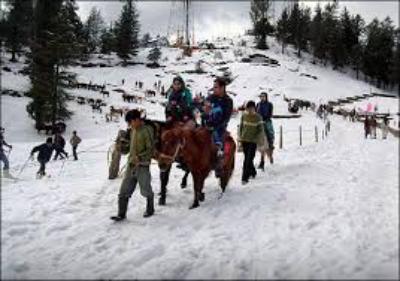
Long before buses, jeeps and mountain roads reached many corners of Himachal, people moved on foot and with pack animals. Traders carried salt, wool, barley, dry fruits and household goods across passes; villagers used these tracks to reach markets, temples and relatives; shepherds followed seasonal routes with flocks. Some of these paths have now become trekking trails, while others remain working routes used by mules, ponies and local porters.
For you, that means a trip that feels more human and less rushed. You are not just ticking off a viewpoint. You are walking the same lines that linked Kinnaur with Tibet-facing valleys, the inner hills with remote villages, and old market towns with farming settlements. The pace is slower, but the details stay with you longer: stone houses, mani walls, bridge crossings, apricot orchards, and the sound of bells from loaded mules on narrow paths.
Best places in Himachal to experience mule tracks
Not every old path is open or suitable for visitors, and some are better walked with a local guide. Still, there are a few regions where the old route culture is very visible and practical for travellers.
Kinnaur: the strongest feel of the old trade route era
Kinnaur is one of the best regions if you want to understand Himachal’s historical movement corridors. Routes around Kalpa, Recong Peo, Sangla, Chitkul and Nako connect villages that were once part of trade and seasonal travel systems. The terrain is dramatic, but the real appeal is the sense that the mountains are still lived in, not just photographed.
The old Hindustan-Tibet corridor also passes through parts of Kinnaur. Even if you are travelling by road today, you can still see how the old tracks and mule movement shaped settlements, rest points and local commerce. Short walks from village to village are a good way to experience it without committing to a full expedition.
Spiti: high-altitude mule routes and monastery paths
Spiti’s old movement paths are more austere, with fewer trees and a stronger sense of isolation. Around Kaza, Kibber, Langza, Demul and Dhankar, local trails link homes, fields, monasteries and grazing areas. These are not always classic “trade routes” in the market-town sense, but they are the same network of footpaths that sustained remote life for generations.
If you are interested in a route with a deeper historic flavour, the old connection between Spiti and Kinnaur, and further towards the Tibetan borderlands, is especially meaningful. Trekking here is best in the warmer months, and you should build in time for acclimatisation because altitude can affect even fit walkers.
Kullu and the inner valleys
Kullu’s side valleys, including Tirthan, Banjar and parts of Parvati valley, have old foot routes used by shepherds and villagers. Some paths now form part of short treks, while others remain village connectors. The appeal here is a mix of forest, river and settlement, so you get a less severe landscape than in the trans-Himalayan zones.
These routes are useful if you want a shorter walking holiday of 2-4 days rather than a demanding high-altitude expedition. They also work well for first-time visitors who want to test their fitness and interest before going deeper into Kinnaur or Spiti.
How to choose the right route for your trip
The right path depends on how much you want to walk, how remote you want to feel, and how much altitude you are comfortable with. Use the quick guide below as a starting point.
| Region | Best for | Typical walking time | Approx. travel feel |
|---|---|---|---|
| Kinnaur | Historic trade route atmosphere, village walks | 2-6 hours a day | Balanced, scenic, culturally rich |
| Spiti | High-altitude footpaths, monastery-linked routes | 3-7 hours a day | Remote, dry, physically demanding |
| Kullu side valleys | Short treks, forest trails, first-timers | 2-5 hours a day | Accessible, green, flexible |
If you want a trip with villages, homestays and lower risk of altitude issues, choose Kinnaur or Kullu. If your goal is to understand the old mountain corridor culture and you are comfortable with thinner air, Spiti is the stronger choice. You can also combine them if you have 8-12 days.
Best time to walk these paths
For most mule tracks and old footpaths in Himachal, the best months are May to June and mid-September to early October. In these periods, the weather is generally more stable, snow on high passes is lower, and village routes are easier to use. July and August bring rain in the lower and middle hills, which can mean slippery trails and road delays, especially in Kullu and parts of Kinnaur.
High-altitude routes in Spiti and upper Kinnaur are usually more practical from late May to October, though exact opening times depend on snow and local conditions. Winter is a different story: some paths become inaccessible, and even short walks can require serious winter gear and local knowledge. Always confirm current conditions before you book transport or accommodation.
Getting there and moving between trailheads
Most mule-track journeys in Himachal start after you reach a roadhead by bus, shared taxi or private vehicle. From Shimla, you can head towards Reckong Peo and further into Kinnaur; from Manali, you can move toward the Spiti side or the Kullu side valleys. Drive times vary widely because mountain roads are slow, with landslides, traffic and weather affecting schedules.
As a rough planning guide, Shimla to Reckong Peo can take around 7-10 hours depending on road conditions, while Manali to Kaza may take around 10-12 hours or more when the route is open. Shared taxis are usually the most practical option if you are not self-driving. Local buses are cheaper, but they are slower and follow fixed timings that may not suit a short itinerary.
What the walk feels like on the ground
Expect stone steps, narrow contours cut into hillsides, suspension bridges, mule traffic, and occasional stretches where the trail is obvious only because locals use it every day. Some sections are gentle village walks; others climb quickly and leave your legs working hard. In remote areas, you may pass only a handful of people in a day, most of them villagers, shepherds or drivers moving supplies.
Homestays are often the best way to experience these routes properly. A typical stay might include simple local food, a heated room in colder months, and practical advice about the next day’s trail. Ask about water sources, trail conditions and the nearest medical point before you start walking each morning. Mobile network can be patchy, so do not assume you will be reachable everywhere.
Budgeting for a mule-track trip in Himachal
Your costs will depend on whether you are self-guided, using a local trek operator, or combining road travel with homestays. Here are realistic planning ranges:
- Homestay or basic guesthouse: ?1,200-?3,500 per night
- Mid-range hotel in town stops: ?3,000-?6,500 per night
- Shared taxi between major points: ?800-?2,500 per seat depending on distance
- Private taxi for a full day: ?4,000-?8,500 or more, based on route and vehicle
- Local guide: ?2,000-?4,500 per day, sometimes more for remote or multi-day routes
- Meals: ?300-?800 per person per meal in simple places; more in tourist hubs
If you are doing a 5-7 day walk-and-drive circuit, a practical mid-budget estimate is around ?18,000-?40,000 per person excluding major flights or long-distance train tickets. If you want comfortable hotels and private transfers, plan higher. Prices can rise in peak season, so confirm in advance.
Packing and safety for old mountain paths
These trails can be forgiving in some stretches and unforgiving in others. Pack with the assumption that weather can shift quickly, accommodation can be simple, and the next vehicle may not come exactly when expected.
- Footwear: broken-in trekking shoes with grip, not new footwear.
- Layers: thermals, fleece, windproof jacket, and a warm cap even in summer at altitude.
- Rain protection: a light poncho or rain jacket for Kullu and lower Kinnaur.
- Hydration: a reusable bottle and purification tablets or filter if you plan long sections.
- Sun protection: sunglasses, sunscreen and a cap. Spiti sun can be intense.
- Basics: power bank, torch, basic medicines, altitude medicine if prescribed by your doctor.
Do not rush altitude gain. If you are coming from the plains, spend at least one night in Shimla, Kalpa, Manali or another intermediate stop before sleeping very high. If you feel headache, nausea or unusual fatigue, slow down and descend if needed. Mountain walking rewards patience far more than speed.
A practical 7-day idea for first-timers
If you want a balanced introduction, this is a useful pattern: reach Shimla or Manali, travel to a mountain base such as Reckong Peo or Kaza, spend 2-3 days doing village walks and short mule-track sections, then add one longer walking day with a guide. The final days can be used for monastery visits, market towns and road travel back.
For example, a Kinnaur-focused trip could include Kalpa, Sangla, Chitkul and a couple of short walking routes between villages. A Spiti-focused trip could include Kaza, Kibber, Dhankar and nearby footpaths. If you prefer a greener setting, use Kullu side valleys and combine walking with homestays and river-side drives.
Frequently Asked Questions
Are Himachal’s mule tracks suitable for beginners?
Yes, some are. Village-to-village paths in Kinnaur and the Kullu side valleys are manageable if you are reasonably fit and take your time. High-altitude routes in Spiti are more demanding because of thin air, longer ascents and limited facilities.
Do I need a guide?
For short, well-used village trails, you may not need one if you are experienced and have local directions. For remote or less-marked routes, a guide is strongly recommended because weather, trail forks and mule traffic can make navigation confusing. A local guide also helps with homestays and route updates.
Are permits required?
Some border-area or restricted-region rules can apply in parts of Himachal, especially near sensitive zones, and these rules can change. Indian travellers are often able to visit major tourist areas freely, but you should always confirm the latest requirements before travel. Check with local authorities, your hotel or your tour operator before finalising the route.
What is the biggest challenge on these trails?
For many people, it is altitude rather than distance. Even a 6-10 kilometre walk can feel much harder at 3,500 metres or above. Road delays and basic accommodation are other common challenges, so flexibility is important.
Can families or older travellers do these trips?
Yes, if you choose the right route. Shorter walks around villages in Kinnaur or Kullu are suitable for families with children and older travellers who are comfortable with uneven paths. For Spiti and longer climbs, it is better to assess fitness, altitude tolerance and medical conditions first.
What kind of food should I expect?
Simple Himachali meals, dal, rice, roti, vegetable dishes and tea are common, along with local staples such as buckwheat-based or barley-based items in some areas. In larger towns you will find more variety, but on the trails the food is usually home-style and practical. Tell your host in advance if you need a specific diet.
Conclusion
Himachal’s mule tracks and old trade paths are for travellers who want more than a driving holiday. They let you feel the mountain rhythm at a human pace, where every climb, bridge and village stop tells a story of work, exchange and survival. If you plan carefully, travel in the right season and keep your expectations realistic, this can become one of the most memorable ways to know Himachal.
If this guide helped you, share the post with someone planning a slower and more meaningful Himachal trip.
Disclaimer : The information provided in this blog is for general informational purposes only. While we strive to keep the content accurate and updated, TravelSetu assumes no liability for errors or omissions. If you believe any part of this blog infringes your rights or causes concern, please notify us immediately at info[at]travelsetu[dot]com so that appropriate action can be taken.
 Tourism (183)
Travel Tips (329)
Kashmir (2611)
Honeymoon (102)
Srinagar (391)
Pahalgam (356)
Gulmarg (356)
Sonmarg (354)
Yusmarg (50)
Gurez Valley (50)
Doodhpathri (50)
Katra (50)
World (3)
India (136)
Himachal (574)
Manali (56)
Shimla (41)
Family Tour Packages (50)
Sikkim (981)
Gangtok (211)
Darjeeling (234)
Andaman (599)
Kerala (555)
Rajasthan (566)
Seven-Sisters (114)
Meghalaya (59)
Uttarakhand (519)
Gujarat (300)
South-India (350)
Ooty (33)
Ladakh (78)
Year (72)
2023 (33)
2024 (121)
Itinerary Ideas (5)
Goa (85)
Tourism (183)
Travel Tips (329)
Kashmir (2611)
Honeymoon (102)
Srinagar (391)
Pahalgam (356)
Gulmarg (356)
Sonmarg (354)
Yusmarg (50)
Gurez Valley (50)
Doodhpathri (50)
Katra (50)
World (3)
India (136)
Himachal (574)
Manali (56)
Shimla (41)
Family Tour Packages (50)
Sikkim (981)
Gangtok (211)
Darjeeling (234)
Andaman (599)
Kerala (555)
Rajasthan (566)
Seven-Sisters (114)
Meghalaya (59)
Uttarakhand (519)
Gujarat (300)
South-India (350)
Ooty (33)
Ladakh (78)
Year (72)
2023 (33)
2024 (121)
Itinerary Ideas (5)
Goa (85)