Tanakpur and Sharda River
If you are planning a short Uttarakhand trip and want something calmer than the usual hill-station rush, Tanakpur and the Sharda River are worth your attention. This guide is for you if you want to understand what to do, when to go, how to reach, where to stay, and how to plan a practical trip around this border-town stretch of the state.
Why Tanakpur matters on a Uttarakhand trip
Tanakpur sits in Champawat district, close to the Nepal border, and works as an important gateway to the eastern part of Uttarakhand. For many Indian travellers, it is not the final holiday destination in the usual sense; instead, it becomes the place where the journey slows down, the air turns warmer than the higher Himalayas, and the Sharda River adds a peaceful backdrop to the entire stay.
The town is useful for multiple kinds of trips. You can use it as an entry point for Champawat, Pithoragarh, Abbott Mount, or even parts of the Sharda corridor. You can also keep it as a low-key stopover if you are driving deeper into Kumaon. The attraction here is not flashy sightseeing. It is the easy pace, the river, the local markets, the temple stops, and the feeling that you are close to both the hills and the plains.
Understanding the Sharda River and the Tanakpur setting
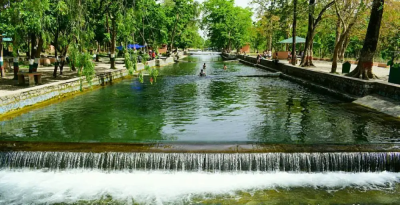
The Sharda River is the major river shaping this region. In India, it is commonly referred to as the Sharda River, while in wider geography it is also known as the Mahakali in some stretches near the Nepal border. Around Tanakpur, the river is broad, seasonal in mood, and deeply tied to local life. You will notice riverbanks used for bathing, small ghats, and viewpoints where people pause for sunset or a quiet walk.
Tanakpur itself sits at a lower elevation compared with many famous Uttarakhand hill towns, so the climate is more moderate. Summers can still get warm during the day, while winters stay pleasant and cool. This makes it a practical place for travellers who want hill access without climbing immediately into colder altitudes.
If you are coming from the plains, the landscape shift is noticeable even before you reach the main hill roads. The route starts opening into greener, more open views, and the river begins to define the trip more than the mountain peaks do.
Best time to visit Tanakpur and the Sharda River
The best months for most travellers are October to March if you want comfortable weather, and July to September if you do not mind monsoon greenery and some travel caution. April to June is workable too, especially for short stays, but afternoons can feel warm in the town area.
For a balanced trip, October, November, February, and March are particularly good. In these months, the river views are clear, driving is easier, and you can combine Tanakpur with nearby places without battling extreme heat or heavy rain. Monsoon travel should be planned carefully because road conditions in Uttarakhand can change quickly during intense rain.
If your focus is photography or peaceful walks by the river, early morning and late evening are the best times of day. The light is softer, the riverbank is quieter, and the town feels less hurried.
How to reach Tanakpur
Tanakpur is accessible by road and rail, which makes it convenient for travellers from Delhi, Bareilly, Lucknow, and nearby Uttarakhand towns. The town is around 6-7 hours from Nainital depending on traffic and route conditions, and roughly around 8-10 hours from Delhi by road, though actual timing varies a lot with breaks and congestion.
By train
Tanakpur has a railway station, and this is one of the easiest ways to arrive if you prefer a direct and relatively relaxed journey. Trains connect the town to nearby railheads and selected routes in North India, though schedules can change, and not every train runs daily. Check current availability before you plan the rest of the itinerary.
By road
Road travel is the most common choice for tourists who want to combine Tanakpur with Champawat district or other Kumaon destinations. State-run and private buses, taxis, and self-drive cars are all possible. From Haldwani or Kathgodam, the drive can take several hours depending on road conditions and stops.
Nearest practical airport access
If you are flying in, the common access point is Pantnagar Airport, from where you can continue by road. Depending on the route and traffic, the onward drive can take about 4-6 hours or more. Since flight timings and road conditions change, it is wise to keep buffer time if you are connecting to a same-day trip.
What to do in Tanakpur and along the Sharda River
Tanakpur is best enjoyed through a mix of short river visits, temple stops, local food, and side trips. You do not need a packed sightseeing list here. A relaxed pace works better.
- Spend time at the riverbanks: Early morning and evening walks near the Sharda River are the simplest way to experience the town.
- Visit local temples: The region has several temple sites that attract pilgrims and family travellers, especially during festival periods.
- Explore the market area: Small-town Uttarakhand markets are useful for snacks, tea, basic shopping, and everyday interactions with locals.
- Plan a short drive to nearby places: You can use Tanakpur as a base for Champawat or other Kumaon-side excursions.
- Watch the river in different seasons: After monsoon, the Sharda River looks fuller; in cooler months, the banks are easier for walking and resting.
One thing to remember is that Tanakpur is not about over-scheduled sightseeing. If you spend half a day by the river, one evening in the market, and another morning around a temple or ghat, the trip already feels meaningful. That is often the right way to enjoy this part of Uttarakhand.
Nearby places you can combine with Tanakpur
Most travellers do better by pairing Tanakpur with one or two nearby destinations instead of treating it as a standalone city break. The region is connected enough for short road journeys, and you can make the trip more rewarding by adding a second stop.
| Nearby place | Approx. distance from Tanakpur | Why go |
|---|---|---|
| Champawat | About 70-90 km | Temple stops, local history, hill views |
| Abbott Mount | About 50-70 km | Quiet hill stay and forest surroundings |
| Pithoragarh | Longer road journey, usually several hours | For travellers continuing deeper into Kumaon |
| Kathgodam / Haldwani | Longer than a day trip for most people | Rail and road connections, transit hub use |
If you are short on time, a 2-day Tanakpur plan with one nearby excursion is enough. If you have 4-5 days, you can use Tanakpur as the first or last stop and build a more comfortable circuit through Kumaon.
Where to stay and what it may cost
Tanakpur has practical stay options rather than luxury-heavy inventory. You will find budget hotels, family-run guesthouses, and a few mid-range properties. For most travellers, the point is clean rooms, easy access, and simple food rather than resort-style facilities.
Indicative rates are usually around ?1,200-?2,500 per night for budget stays and ?2,500-?4,500 per night for more comfortable mid-range rooms. If you are travelling during festivals, local fairs, or peak holiday dates, prices can rise. Always confirm current rates, parking availability, and check-in timings before booking.
If you want a riverside feel, ask the property whether any rooms face toward open areas or the river approach. That small detail can make a quiet difference, especially on a short holiday.
Food, local habits, and practical travel tips
Food in and around Tanakpur is straightforward and filling. You can expect North Indian meals, tea, snacks, and some local Kumaoni-style preparations depending on the eatery. If you are travelling with family, simple vegetarian meals are easy to find. For non-vegetarian food, availability may be more limited and less uniform, so it is better to ask before assuming options.
What to pack
- Light cottons for warmer months and a light jacket for evenings from October to February
- Comfortable walking shoes for riverbanks and market visits
- Rain protection if you are travelling in monsoon
- Cash for small purchases, though digital payments are common in many places
- Basic medicines and refill items, especially if you are heading deeper into Kumaon
Local travel etiquette
Tanakpur has a calm, working-town rhythm. Dress modestly when visiting temples, keep the river area clean, and avoid making assumptions about opening hours or transport frequency. It is always better to ask the hotel desk or a local shopkeeper before planning a late-evening move.
Also, because the area is close to the border and linked to river movements, always check current weather and road conditions if you are travelling during the monsoon or after a spell of heavy rain. Timings, transport availability, and water conditions may change without much notice.
Suggested 2-day Tanakpur and Sharda River plan
If you want a simple and realistic plan, this one works well for most Indian travellers coming from nearby states.
- Day 1: Reach Tanakpur by afternoon, check in, take an evening walk near the Sharda River, and end the day with local food and an early night.
- Day 2: Visit a nearby temple or market area in the morning, have lunch in town, and leave for Champawat or your onward Kumaon destination by afternoon.
If you have an extra day, add a slow breakfast, a longer riverside pause, and a short drive to a nearby hill-side viewpoint or heritage stop. The key is not to pack too much into the trip.
Frequently Asked Questions
Is Tanakpur a good destination for a family trip?
Yes, especially if your family prefers relaxed travel over crowded hill stations. The town is easy to navigate, food is simple, and the river gives the trip a peaceful setting. Just keep your schedule flexible and avoid very late arrivals.
How many days do you need for Tanakpur and the Sharda River?
One night is enough for a brief stopover, but 2 days is a better fit if you want to enjoy the river and visit nearby places. If you are using Tanakpur as part of a longer Kumaon itinerary, even a half-day stop can work. The right duration depends on how far you want to travel beyond the town.
Is the Sharda River area suitable for children and older travellers?
Generally yes, as long as you choose easy access points and do not go near risky river edges during high flow. Children and older travellers usually enjoy the open space and quieter atmosphere. As always, keep an eye on weather conditions and avoid slippery stretches after rain.
Can Tanakpur be combined with a Uttarakhand temple trip?
Yes, it works well with temple-focused travel because the region has several religious stops and road connections to nearby Kumaon towns. Many travellers use Tanakpur as a base before or after visiting temple sites in the district. Check route timings in advance if your plan includes multiple stops in one day.
What is the best month to see the Sharda River at its most pleasant?
October to March is usually the most comfortable period for most travellers. The weather is easier, and riverbank walks feel more pleasant during these months. If you visit after the monsoon, you may see fuller water levels, but weather safety should come first.
Are advance bookings necessary for stay and transport?
They are strongly recommended during weekends, festive periods, and school holidays. Tanakpur is not as crowded as major tourist centres, but inventory can still be limited in peak periods. Transport schedules and room rates can change, so confirm everything before you move.
Tanakpur and the Sharda River offer a different kind of Uttarakhand experience: simple, useful, and calm. If you want a trip that gives you river views, easy road connections, and a base for exploring Kumaon without rush, this corner of the state fits very well.
If this guide helped you plan better, share the post with someone who is mapping out a Uttarakhand trip.
Disclaimer : The information provided in this blog is for general informational purposes only. While we strive to keep the content accurate and updated, TravelSetu assumes no liability for errors or omissions. If you believe any part of this blog infringes your rights or causes concern, please notify us immediately at info[at]travelsetu[dot]com so that appropriate action can be taken.