How Many Days Are Required For Ladakh Trip?
How Many Days Are Required For Ladakh Trip?
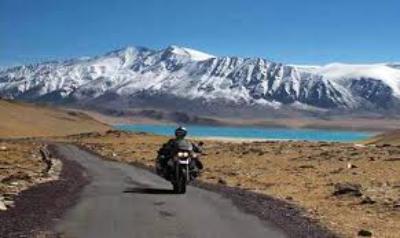
Ladakh, a high-altitude region in the Indian state of Jammu and Kashmir, is often referred to as the "Land of High Passes." With its stunning landscapes, unique culture, and adventure opportunities, Ladakh has become a popular destination among travelers from around the world. Planning a trip to Ladakh can be exciting, but one of the most common questions asked by travelers is how many days are required for a Ladakh trip? In this blog post, we will discuss the ideal duration for a trip to Ladakh and provide some recommendations to help you plan your journey.
Understanding Ladakh's Geography
Before we dive into the ideal duration, it's important to understand the unique geography of Ladakh. The region is located at an altitude ranging from 9,800 feet to over 17,000 feet above sea level. Due to its high altitude, travelers need to acclimatize to the thin air to avoid altitude sickness. Therefore, it's crucial to plan your trip, keeping in mind the time required for acclimatization.
Ideal Duration for a Ladakh Trip
Considering the time required for acclimatization and exploring the region's key attractions, a minimum of 7 to 10 days is recommended for a Ladakh trip. This duration allows you to experience the beauty of Ladakh, immerse yourself in its culture, and indulge in adventure activities.
Here is a suggested itinerary for a 10-day Ladakh trip:
- Day 1: Arrival in Leh - Rest and acclimatization
- Day 2: Leh sightseeing (Shanti Stupa, Leh Palace, Leh Market)
- Day 3: Leh to Nubra Valley via Khardung La Pass
- Day 4: Nubra Valley (Hunder, Diskit Monastery, sand dunes)
- Day 5: Nubra Valley to Pangong Tso Lake
- Day 6: Pangong Tso Lake to Leh
- Day 7: Leh to Lamayuru via Alchi
- Day 8: Lamayuru to Kargil via Mulbekh and Drass
- Day 9: Kargil to Leh
- Day 10: Departure from Leh
While this itinerary covers the main highlights of Ladakh, it's important to note that the region has much more to offer. To explore Ladakh in more depth and undertake longer treks or other adventure activities, you may consider extending your trip by a few more days.
Tips for Planning Your Ladakh Trip
When planning your Ladakh trip, here are a few tips to keep in mind:
- Acclimatization: Give yourself at least 48 hours to acclimatize to the high altitude before undertaking any strenuous activities.
- Weather Conditions: Ladakh experiences extreme weather conditions, with severe cold during winters and hot temperatures during summers. Check the weather forecast before your trip and pack accordingly.
- Permits: Certain areas in Ladakh require permits for Indian and foreign nationals. Make sure to obtain the necessary permits well in advance.
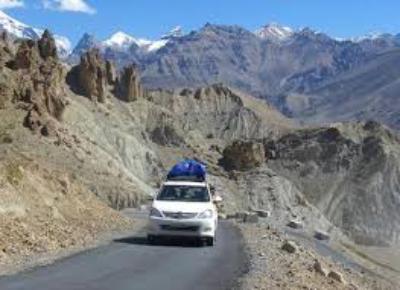
- Transportation: Public transport in Ladakh is limited. It is recommended to hire a private taxi or join a tour to explore the region comfortably.
- Physical Fitness: Ladakh's high altitude and rugged terrain require a certain level of physical fitness. Prepare yourself accordingly and consult your doctor if you have any health concerns.
Conclusion
A Ladakh trip is a dream come true for many travelers. With its breathtaking landscapes, vibrant culture, and thrilling adventures, Ladakh offers an unforgettable experience. While a minimum of 7 to 10 days is recommended for a Ladakh trip, it's always best to plan for a longer duration to fully immerse yourself in the region's beauty and explore its hidden gems. Remember to take necessary precautions for acclimatization and weather conditions, and enjoy your journey through the Land of High Passes!
If you found this article helpful, feel free to share it with your friends and fellow travel enthusiasts to help them plan their Ladakh trip as well.
Disclaimer : The information provided in this blog is for general informational purposes only. While we strive to keep the content accurate and updated, TravelSetu assumes no liability for errors or omissions. If you believe any part of this blog infringes your rights or causes concern, please notify us immediately at info[at]travelsetu[dot]com so that appropriate action can be taken.