Kanjirappally and Central Travancore
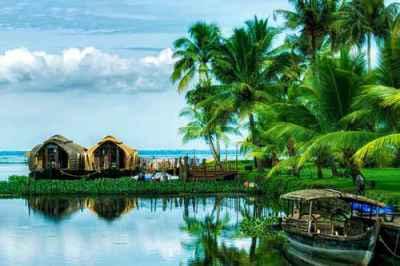
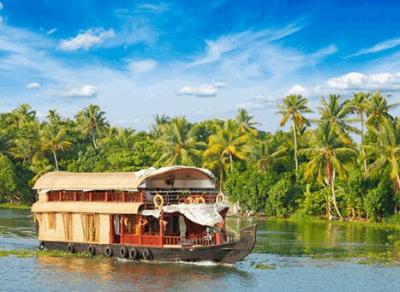
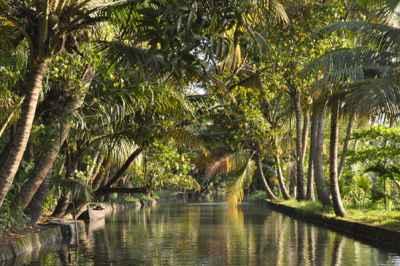
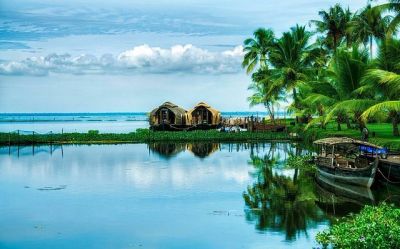
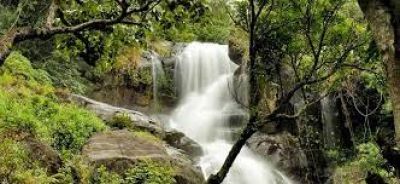
If you are planning a Kerala trip that goes beyond the usual backwaters-and-hill-stations circuit, Kanjirappally and Central Travancore deserve a close look. This part of Kerala gives you spice-scented plantations, church heritage, quiet village roads, temple towns, and easy access to some of the state’s most rewarding short drives.
This guide is for Indian travellers who want a practical plan: where Kanjirappally is, when to go, what to see, how to move around, and how to combine it with nearby places in Central Travancore without rushing.
Where Kanjirappally Fits in Kerala
Kanjirappally is a town in Kottayam district, in the inland part of central Kerala. It sits at the edge of the rubber-growing highlands and acts as a convenient base for exploring plantation belt villages, Christian heritage sites, and the wider Central Travancore region. From Kottayam town, the drive is roughly 30-35 km and usually takes around 45-60 minutes depending on traffic.
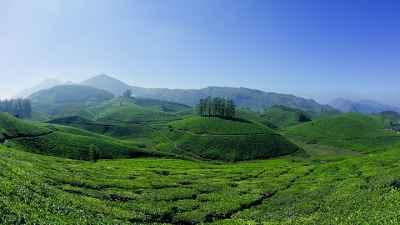
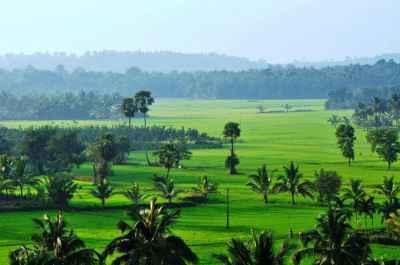
What makes this region different from the better-known tourist routes is its everyday Kerala feel. You will see rubber estates, pepper vines, small rivers, paddy stretches, churches with long histories, and market towns where local life continues at an unhurried pace. If you enjoy road trips, food stops, and heritage that feels lived-in rather than packaged, this is a very good fit.
Why Travellers Choose This Region
Central Travancore is ideal when you want a trip that is calm, flexible, and easy to tailor. You can spend one day in Kanjirappally and the next day visit places like Pala, Ettumanoor, Changanassery, Thiruvalla, or the hills around Vagamon and Peerumedu depending on how far you want to travel.
For families, this area works well because distances are manageable and food options are familiar. For couples and small groups, it is a pleasant change from crowded tourist centres. For older travellers or those doing a heritage circuit, the region offers churches, temples, old market towns, and authentic Kerala cuisine without too much movement pressure.
Best Time to Visit Kanjirappally and Central Travancore
The most comfortable months are usually from October to February. The weather is cooler, the roads are easier to drive on, and plantation visits are more pleasant. Daytime temperatures are generally manageable, though humid spells can still happen.
March to May can be warm and sticky, especially around midday. This is still workable if you plan early morning outings and rest during the afternoon. June to September brings monsoon showers, which make the landscape very green but also affect road conditions and travel time. If you enjoy rain, this season has atmosphere, but always keep extra buffer time for driving and check local weather before long road transfers.
| Season | What it feels like | Best for |
|---|---|---|
| October to February | Cooler, drier, comfortable | Sightseeing, road trips, family travel |
| March to May | Warm and humid | Short breaks, early-morning plans |
| June to September | Green, rainy, slower travel | Scenic drives, monsoon lovers, quiet stays |
How to Reach Kanjirappally
The nearest major railhead is usually Kottayam, and from there Kanjirappally is a straightforward road journey. If you are coming from Kochi, the drive is typically around 100-120 km and may take 3 to 4 hours depending on traffic and road conditions. From Thiruvananthapuram, the distance is much longer, so it is better to break the journey or travel by train to Kottayam first.
The closest airport for most travellers is Cochin International Airport, which is usually the most convenient entry point for central Kerala. Taxis from the airport to Kanjirappally can be expensive, often in the range of ?2,500-?4,500 or more depending on vehicle type and time of day, so compare this with train-plus-cab options before booking. Local buses and private cars are the most practical ways to move within the region.
If you are self-driving, this is one of the easier parts of Kerala to explore because the roads are generally well connected, though some interior plantation roads can be narrow. Keep an eye on travel time during school rush hours and rainy evenings.
What to See in and Around Kanjirappally
Plantation Drives and Rubber Country
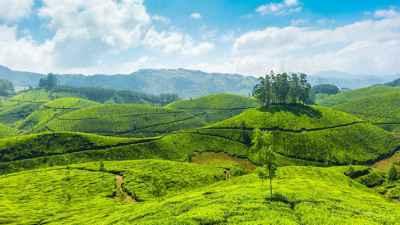
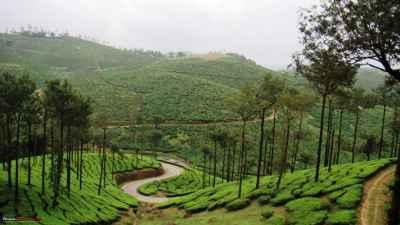
Kanjirappally is known for its rubber plantations, and the best way to understand the area is simply to drive through it slowly. Early morning is the best time for views of mist, estate roads, and workers tapping rubber. Pepper, coconut, and small seasonal crops are also part of the landscape, giving you a sense of how central Kerala supports its farm economy.
Do not treat this as a place with a crowded checklist. The joy here lies in the journey itself: quiet roads, tea-and-snack stops, and conversations with locals who can point you towards nearby churches, rivers, and village churches with long histories.
Church Heritage and Local Town Life
The Kanjirappally belt has deep Christian heritage, and many travellers use the town as a base for church circuits across Kottayam and nearby districts. You can combine your visit with well-known churches in the wider region, especially around Kottayam, Pala, and Changanassery, depending on your route and interest.
Spend some time in the town centre too. Local bakeries, small restaurants, textile shops, and road-side tea stalls give you a good feel for daily life in Central Travancore. If you prefer experiences that are not over-curated, this is where the region shines.
Short Trips to Nearby Towns
From Kanjirappally, you can build easy half-day or full-day outings. Pala is a popular inland town and is roughly 25-35 km away depending on the route. Ettumanoor, with its famous temple, is usually around an hour or more by road from Kanjirappally. Changanassery and Thiruvalla are also doable as part of a longer day if you want to combine heritage, food, and town visits.
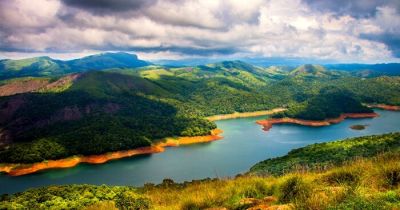
If you want a greener outing, consider heading towards Vagamon or the higher stretches near Peerumedu. These are not next-door, but they are realistic add-ons for a 2-night or 3-night itinerary if you enjoy hill drives. Always confirm local road conditions in monsoon months.
How to Plan a Central Travancore Route
One of the smartest ways to explore this region is to keep one base and take radial day trips. Kanjirappally works well if your priorities are plantation scenery and access to both Kottayam-side heritage and hill-side excursions. If you prefer more urban comfort and rail connectivity, Kottayam town can be your base instead.
- 1 night: Good for a quick stopover, a plantation drive, and one heritage site nearby.
- 2 nights: Ideal for Kanjirappally plus one full day covering Pala or Kottayam-side churches and temples.
- 3 nights: Better if you want a relaxed pace with one hill excursion and a food-focused route through Central Travancore.
If you are travelling with children or elders, avoid overpacking the itinerary. Two meaningful outings a day is usually enough in this region, especially if you are also stopping for meals and local shopping.
What to Eat Here
Food in Central Travancore is simple, hearty, and satisfying. Expect Kerala meals with rice, sambar, avial, thoran, fish curry, beef fry in many eateries, appam, puttu, idiyappam, and evening tea with snacks. If you are coming from North India, the spice levels may feel higher, so ask for milder preparation where possible.
Do try local bakeries and small family-run restaurants. A breakfast of appam with vegetable stew or puttu with kadala is a reliable start to the day. For lunch, a traditional Kerala sadya-style meal is often available in many town restaurants, especially around temple or festive periods. Prices at modest restaurants are usually in the range of ?120-?300 per person, while larger meals or seafood-heavy spreads can cost more.
Tea stops matter here too. A strong chai, banana fritters, and a quick pause under a tin roof can become one of the best parts of the trip.
Where to Stay
Accommodation in and around Kanjirappally is usually practical rather than luxurious. You will find budget lodges, small business hotels, homestays, and a few comfortable mid-range properties in Kottayam-side towns. In plantation-facing areas, homestays can offer better value if you want quiet surroundings and home-cooked food.
Budget stays often start around ?1,200-?2,000 per night, while decent mid-range rooms may be in the ?2,500-?4,500 range. Homestays with meals can go higher depending on the setting and season. Always confirm whether breakfast is included, especially if you plan to leave early for sightseeing.
If privacy and convenience matter most, stay near the main road or in town. If your focus is relaxation, a plantation homestay outside the centre can be more rewarding, but expect slower access to shops and restaurants.
Suggested 2-Day Itinerary
- Day 1: Arrive in Kanjirappally, settle in, take a slow plantation drive, visit a local church or town landmark, and have an early dinner at a Kerala restaurant.
- Day 2: Start early for a day trip to Pala, Ettumanoor, or another nearby heritage stop, depending on your interest. Return by evening and enjoy tea and snacks in town.
If you have a third day, use it for a hill-side excursion or a more leisurely Central Travancore circuit. The key is not to rush between too many districts. This region rewards steady travel more than packed sightseeing.
Practical Tips for Indian Travellers
Carry enough cash for smaller eateries and local purchases, though digital payments are common in towns. In monsoon months, keep rain protection handy and avoid late-night drives on unfamiliar plantation roads. If you are visiting churches or temples, dress modestly and be respectful of local customs.
Distances look short on the map, but Kerala roads can take longer than expected because of curves, traffic near market areas, and weather. Build in extra time, especially if you are trying to connect multiple towns in one day. For rentals and taxis, confirm whether tolls, parking, and driver allowances are included.
Frequently Asked Questions
Is Kanjirappally a good base for Central Travancore?
Yes, especially if you want a quieter base with access to plantations and nearby towns. It works well for short road trips to Kottayam district highlights and some hill routes too. For more rail access and hotel variety, Kottayam town may be more convenient.
How many days do I need for Kanjirappally?
One night is enough for a stopover, but two nights is a better choice if you want to see the town and nearby places at a relaxed pace. Three nights makes sense if you plan to add a hill excursion or visit multiple heritage towns in Central Travancore. The region is best enjoyed slowly.
What is the nearest airport and railway station?
Cochin International Airport is usually the most practical airport for most travellers. Kottayam is the nearest major railway station for easy onward road travel to Kanjirappally. From there, taxis and buses are the common options.
Is this region suitable for family travel?
Very much so. The roads are manageable, food is familiar, and you can choose between calm town stays and plantation homestays. Just avoid over-scheduling, especially with children or senior travellers.
Can I visit Kanjirappally during monsoon?
Yes, but travel needs a little more care. The area looks especially green and atmospheric in the rains, yet heavy showers can slow road travel. Check weather updates and leave buffer time for each transfer.
What kind of budget should I keep for a short trip?
For a simple 2-day trip, budget travellers can manage comfortably with ?4,000-?8,000 per person excluding long-distance transport, depending on stay type and meal choices. Mid-range travellers should plan more, especially if using private cabs. As always, confirm current hotel and taxi prices before booking.
Kanjirappally and Central Travancore are perfect if you want Kerala at an unhurried pace: green roads, real local food, plantation country, and heritage towns that still feel lived in. Keep your itinerary light, travel early in the day, and let the region set the rhythm for you.
If this guide helped you plan better, share the post with someone who is looking for a quieter, more grounded Kerala trip.
Disclaimer : The information provided in this blog is for general informational purposes only. While we strive to keep the content accurate and updated, TravelSetu assumes no liability for errors or omissions. If you believe any part of this blog infringes your rights or causes concern, please notify us immediately at info[at]travelsetu[dot]com so that appropriate action can be taken.