If you are planning a slower Kerala trip and want to move beyond the usual beach-and-backwater route, Konnakkad and the interior of Kasaragod can give you a very different kind of holiday. This guide is for travellers who like quiet forest roads, plantation stretches, village life, hill viewpoints, and a trip that feels more local than polished.
Here you will find practical details on how to reach the region, what kind of weather to expect, where to stay, how much to budget, and what to do if you have 2-4 days in northern Kerala. The focus is on real travel planning, so you can decide if this part of Kerala fits your pace, your family, or your weekend escape.
Why Konnakkad and the Kasaragod Interior Feel Different
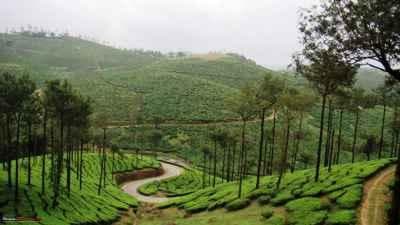
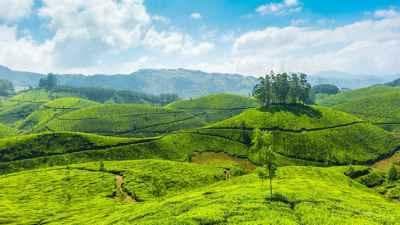
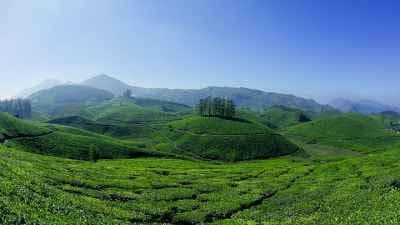
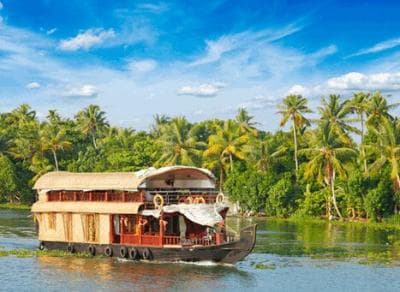
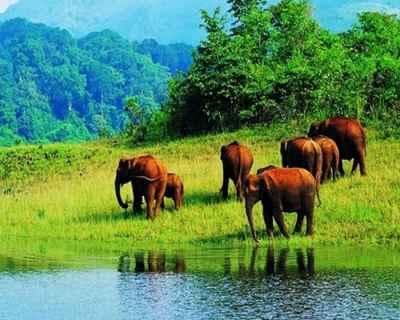
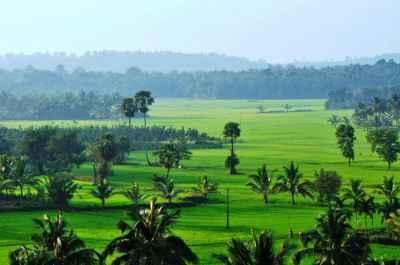
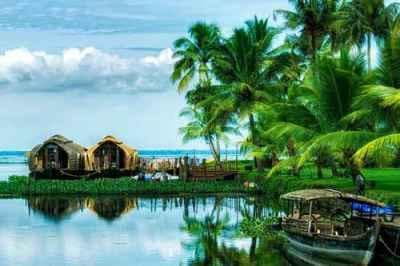
Kasaragod district is usually associated with the coast, forts, temples, and the famous backwater belt around Bekal and Kanhangad. But once you head inland towards Konnakkad and nearby hill and forest belts, the scenery changes quickly. Roads become narrower, the air feels cooler in the mornings, and you begin to see rubber, arecanut, pepper, and paddy landscapes instead of crowds and resort clusters.
Konnakkad is especially useful if you want to explore a less-touristy side of North Kerala. It works well for travellers who enjoy long drives, village stops, short treks, and unhurried experiences. You will not find a heavy nightlife scene or large shopping streets here, but you will find the kind of calm that many people travel to Kerala for.
How to Reach Konnakkad and Interior Kasaragod
By air
The nearest major airport is Mangaluru International Airport, roughly 80-110 km away depending on your exact starting point in the interior. Kannur International Airport is also an option for some routes, generally around 100-140 km away. From either airport, you will need a taxi or pre-arranged transfer, and travel time can range from about 2.5 to 4.5 hours based on traffic and road conditions.
By train
The closest major railway stations are Kasaragod, Kanhangad, and sometimes Nileshwar for travellers coming from the coastal side. From the station, you can hire a taxi or use buses and local transport to move inland. If you are heading to remote pockets near Konnakkad, expect the last leg to be slower than the main highway journey.
By road
Road travel is often the most practical way to reach this region. Kasaragod town is connected to the rest of Kerala by NH66, and from there interior roads lead towards hilly settlements and plantation zones. If you are driving from Kannur, the trip may take around 2.5 to 4 hours; from Mangaluru, around 2 to 3.5 hours; and from Kochi, roughly 8 to 10 hours depending on stops.
For the final stretch, keep in mind that Google Maps or similar navigation apps may show a direct route, but interior roads can be narrow and winding. It is wise to travel in daylight, especially if you are unfamiliar with local terrain.
Best Time to Plan a Trip
The most comfortable period for Konnakkad and the Kasaragod interior is usually from October to February, when the weather is cooler and the landscape is fresh after the monsoon. Daytime temperatures are pleasant for sightseeing, walking, and short drives. This is also the easiest season for families and older travellers.
March to May can get warm and humid, especially in the afternoons. June to September brings heavy monsoon rains, which make the region green and beautiful, but roads can become slippery and outdoor plans may get interrupted. If you enjoy misty mornings and do not mind occasional rain, the monsoon can still be rewarding, but you should travel with flexibility.
What to Do in and Around Konnakkad
Enjoy the drive through plantations and village roads
One of the best things to do here is simple: take the drive itself. The interior roads of Kasaragod pass through coconut groves, arecanut plantations, rubber estates, small markets, and village houses that give you a strong sense of place. This is a good region for slow sightseeing rather than packed itineraries.
If you are travelling by car with family, keep time for a few unscripted stops. Local tea shops, roadside snacks, and viewpoints along the way often become the most memorable parts of the trip.
Walks, short treks, and forest-edge experiences
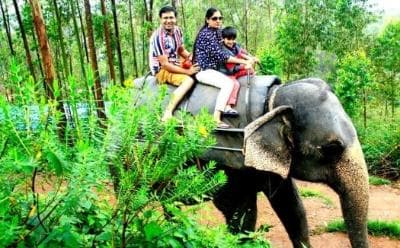
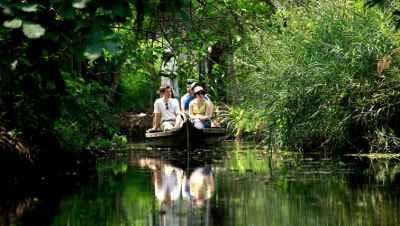
Depending on where you stay, you may find short nature walks, small trails, and forest-edge paths that are suitable for beginners. These are not the kind of treks that need technical gear, but they do need sensible footwear, water, and a local sense of timing. Start early in the day and avoid venturing far after dark.
If you are the sort of traveller who enjoys being outdoors without needing a big adventure package, this region offers a balanced experience. You can move between viewpoints, plantations, and homestay surroundings without rushing.
Explore local culture and village life
The interior of Kasaragod has a rich mix of communities, languages, food habits, and temple or mosque traditions. That mix shows up in the everyday life of the region. For many visitors, the most meaningful experience is simply observing how local people live, shop, cook, and travel.
If you are invited into a homestay meal or a local gathering, accept politely and follow the host’s lead. Kerala’s interior hospitality is often warm but understated, and you will get more out of your visit by slowing down and listening.
Use Kasaragod town as a base for side trips
If you prefer a more convenient base with better access to dining and transport, stay in or around Kasaragod town and plan day trips inland. This gives you a more flexible itinerary, especially if you want to combine Konnakkad with other places such as Bekal, Ananthapura, or the coastal belt. A mixed itinerary works well for 3-5 days.
Suggested Itinerary for 2 to 4 Days
| Trip Length | Suggested Focus | What You Can Realistically Cover |
|---|---|---|
| 2 days | Relaxed entry trip | Kasaragod town, one interior drive, a homestay stay, local meals |
| 3 days | Balanced interior and coast | Konnakkad side roads, plantation areas, Bekal or nearby coastal stop, village exploration |
| 4 days | Slower exploration | More time for drives, heritage stops, local food, and one or two relaxed day trips |
For a short trip, do not try to overpack your schedule. This is a place where you get more value from one good drive, one calm sunset, and one well-chosen stay than from a long checklist of stops.
Where to Stay
Accommodation in and around the Kasaragod interior usually falls into three broad categories: homestays, budget lodges, and mid-range hotels closer to the town or highway. In the interior, homestays are often the most rewarding option because they put you closer to the landscape and local food. Expect roughly Rs.1,200-Rs.2,500 per night for basic stays, and around Rs.2,500-Rs.5,000 per night for better-located or more comfortable properties, depending on season and availability.
If you are travelling as a family, check for hot water, parking, mobile network quality, and meal availability before booking. In some interior locations, dinner choices outside the property may be limited, so it is better to confirm food arrangements in advance. Prices can rise during holidays and long weekends, so early booking is sensible.
What to Eat Here
The food experience in northern Kerala is one of the biggest reasons to stay in the region. Expect rice-based meals, fish preparations in coastal areas, appam, puttu, idiyappam, beef or chicken dishes where available, and local vegetarian options with coconut-based flavours. In the interior, homestay food is often the best way to taste local cooking rather than restaurant-style versions.
Try to ask for Kerala breakfasts if your stay includes them. A simple morning plate of puttu and kadala curry, idiyappam with egg curry, or appam with stew can set the tone for the day. If you are vegetarian, inform the host clearly in advance, because interiors may have fewer dedicated veg restaurants than larger towns.
Budget Planning for the Trip
A comfortable 3-day interior Kerala trip does not have to be expensive, but the final cost depends on transport and your choice of stay. If you are travelling from within Kerala or nearby Karnataka, road travel can keep the budget manageable. For a couple, a modest but pleasant weekend trip may fall around Rs.12,000-Rs.25,000 in total, excluding luxury stays and long-distance airfare.
- Local transport: Rs.2,000-Rs.6,000 for short taxi use or self-drive fuel, depending on route
- Accommodation: Rs.1,200-Rs.5,000 per night
- Food: Rs.500-Rs.1,500 per day for one person, depending on where you eat
- Miscellaneous: Rs.500-Rs.2,000 for snacks, entry fees, and small purchases
If you are booking through a package, confirm what is included. Some properties may offer breakfast only, while others include dinner. Road transfers, sightseeing, and guide support may be extra. Rates change with season, so always reconfirm before paying.
Practical Travel Tips
Traveling in the Kasaragod interior is straightforward if you plan with common sense. Keep your day trips compact, start early, and avoid driving in unfamiliar stretches after dark. Mobile connectivity is usually adequate in many areas, but it can become patchy in more remote pockets, so save maps offline before you leave the main road.
- Carry cash for small purchases and local eateries, even though digital payments are common in towns.
- Wear footwear that can handle uneven roads or damp ground.
- Pack light rain protection if you are visiting between June and September.
- Check whether your stay offers dinner, because late-night options may be limited inland.
- Respect local customs, especially near religious places and village communities.
Frequently Asked Questions
Is Konnakkad suitable for a family trip?
Yes, if your family enjoys calm surroundings, short drives, and nature-based travel. It is better suited to families who prefer relaxed schedules over entertainment-heavy holidays. Choose a stay with good access, parking, and reliable food arrangements for the smoothest experience.
How many days do I need for Konnakkad and the interior of Kasaragod?
Two days is enough for a quick break, but three days gives you a much better feel for the area. If you want to combine the interior with coastal Kasaragod sights, four days is ideal. That allows you to travel at a comfortable pace without rushing between stops.
Is monsoon a good time to visit?
Monsoon can be beautiful, with lush green views and cooler air, but it also brings heavy rain and slippery roads. If you are comfortable adjusting plans and traveling carefully, it can still be enjoyable. For easier movement and outdoor sightseeing, October to February is usually better.
Can I find vegetarian food easily?
Yes, but your options may be more limited in the interior than in larger towns. Kerala breakfasts, rice meals, and simple curries are commonly available, especially if you tell your stay in advance. If you have strict dietary preferences, confirm meals before booking.
Is it better to stay in Konnakkad or in Kasaragod town?
If you want quiet and nature, stay in or near the interior. If you want convenience, better transport access, and easier dining choices, Kasaragod town is the safer base. Many travellers choose a town stay and do a day trip inland.
What should I not miss on a short trip?
Do not miss an unhurried drive through the plantation roads, a local Kerala breakfast, and at least one calm village or hillside stop. Those simple experiences often define the region better than a packed sightseeing list. Leave room in your itinerary for slow travel.
Conclusion
Konnakkad and the interior of Kasaragod are for travellers who want Kerala at a quieter pace. If you like green roads, local food, modest stays, and a trip that feels rooted in everyday life rather than tourism performance, this region can be a very satisfying choice. Plan smartly, travel in daylight, and keep your itinerary flexible so you can enjoy the place as it is.
If this guide helped you plan better, share the post with someone who is looking for a calmer Kerala getaway.
Planning a Kerala trip?
Tell us your dates and who is travelling. Up to three local travel companies send you their itinerary and price.
Get free quotesDisclaimer: The information in this blog is for general information only. We try to keep it accurate and up to date, but TravelSetu accepts no liability for errors or omissions. If you believe any part of it infringes your rights, please write to info@travelsetu.com.