Konni Elephant Training Centre
If you are planning a Kerala trip and want one experience that feels distinctly local, the Konni Elephant Training Centre deserves a place on your list. This guide will help you understand what to expect, how to reach Konni from major Kerala towns, what it costs, and how to plan a comfortable visit without wasting time.
What Konni Elephant Training Centre Is Known For
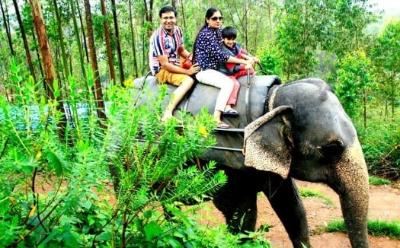
Konni, in Pathanamthitta district, is one of the best-known elephant care and training locations in Kerala. For decades, it has drawn visitors who want to see how captive elephants are cared for, trained, and handled in a state where elephants remain deeply tied to temple culture and local tradition. Today, the centre is better understood as an educational stop than a showpiece, and that is exactly how you should approach it.
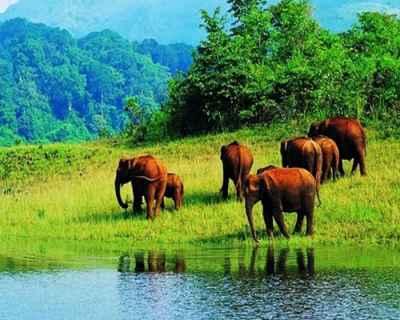
The main attraction for many travellers is the chance to see elephants up close in a controlled environment, learn about their care, and understand the role these animals play in Kerala’s cultural life. If you are travelling with children, older parents, or someone who enjoys wildlife and local heritage together, Konni can be an easy half-day addition to a south Kerala itinerary.
Where It Is and How to Reach Konni
Konni is in central-southern Kerala, in Pathanamthitta district, and is best reached by road. The nearest major town is Pathanamthitta, and travellers often arrive via Thiruvalla, Chengannur, or Kottayam depending on their route. From Pathanamthitta town, Konni is typically around 10-15 km away, so the final stretch is short and manageable by taxi, auto-rickshaw, or local bus.
If you are coming from Kochi, expect roughly 3.5-4.5 hours by road depending on traffic and your exact starting point. From Thiruvananthapuram, the drive may take about 4.5-5.5 hours. From Munnar, it is a longer road journey, often 5.5-7 hours. These timings can change during monsoon or festival traffic, so keep a buffer if you are combining Konni with other stops.
| Starting point | Approx. road distance | Typical travel time |
|---|---|---|
| Kottayam | About 70-90 km | 2.5-3.5 hours |
| Chengannur | About 35-45 km | 1-1.5 hours |
| Thiruvalla | About 30-40 km | 1-1.25 hours |
| Kochi | About 125-150 km | 3.5-4.5 hours |
For most visitors, a private cab is the easiest option, especially if you are coming from Alleppey, Kumarakom, or Thekkady. Budget travellers can use buses up to Pathanamthitta and continue by local transport. If you are self-driving, roads are generally manageable, but the final village stretches can be slower than the highway portions.
What to Expect During a Visit
A visit to Konni is usually straightforward and does not require a full day. Most travellers spend 1.5-3 hours here, depending on crowd levels and how much time they want for photography and the surrounding area. You should not expect a large commercial wildlife park; instead, think of it as a heritage and animal-care stop with a strong local identity.
You may see elephants in a fenced, supervised setting, along with information about their training and handling practices. At times, access to certain parts can be restricted, especially if the elephants are resting, being fed, or if local regulations change. The experience can feel quieter and more grounded than bigger tourist attractions, which is part of its appeal.
Since facilities and viewing arrangements can change, it is a good idea to confirm current opening hours and entry rules before you leave. During school holidays and weekends, it can be busier, so arriving earlier in the day usually makes the visit smoother.
Best Time to Plan Your Trip
The best time to visit Konni Elephant Training Centre is generally from October to February, when Kerala’s weather is cooler and more comfortable for sightseeing. Morning hours are especially pleasant, and you will find the light better for photos and the heat less tiring if you plan to continue to other places in Pathanamthitta or Kottayam.
The monsoon months, usually June to September, bring lush scenery but also heavier rain, slippery surfaces, and occasional travel delays. If you are travelling during this period, keep extra time in hand and carry proper rain protection. March to May can be hot and humid, so an early visit is wiser than an afternoon stop.
Nearby Places You Can Combine With Konni
Konni works well as part of a broader Kerala route, especially if you enjoy calm towns, temples, and short scenic drives. You do not need to rush through the day. In fact, pairing Konni with nearby stops gives you a better feel for the region.
Pathanamthitta town
Pathanamthitta is the nearest district hub and a practical base for food, fuel, and overnight stays. If you want to keep the day simple, stay here and use local transport to Konni. It is also a sensible place for travellers heading to Sabarimala season traffic routes, though exact movement patterns can vary widely by month.
Aranmula
Aranmula is known for its temple heritage and traditional Kerala atmosphere, and it is often combined with a Konni visit in the same day. The drive is manageable, and the route gives you a pleasant glimpse of Kerala’s rural landscape. If you enjoy culture more than crowds, this pairing works well.
Gavi and forest routes
For travellers looking beyond Konni, the wider Pathanamthitta region connects to forested hill routes such as Gavi, though those trips need more planning, permits where applicable, and a full day or more. If you are short on time, it is better to treat Konni as a distinct stop rather than trying to squeeze too much into one day.
Food, Stay, and Budget Planning
Konni itself is not a large food destination, so it is best to plan meals in Pathanamthitta town or along the route from your base. You can usually find simple Kerala vegetarian meals, fish curry meals, tea shops, and small family restaurants. A basic meal may cost around ?120-?250 per person, while a fuller restaurant lunch can be ?250-?500 depending on the place.
For stay options, most travellers prefer Pathanamthitta, Thiruvalla, or Kottayam because the choice of hotels is wider. Budget stays can start around ?1,200-?2,000 per night, mid-range rooms may fall in the ?2,500-?4,500 range, and better boutique or business hotels can cost more. Rates change during festivals and pilgrimage seasons, so check availability early.
For the Konni visit itself, keep your budget modest. Local transport, entry fees if applicable, snacks, and a meal can usually fit within ?500-?1,500 per person for a simple day trip, excluding long-distance cab hire. If you hire a private car from Kochi or Thiruvananthapuram, the total day-trip cost will be higher and depends on distance, fuel, driver charges, and waiting time.
Useful Tips for a Smooth Visit
- Start early, especially if you are coming from Kochi, Kottayam, or Thiruvananthapuram on the same day.
- Wear comfortable footwear because the area may involve some walking on uneven or damp surfaces.
- Carry water, a cap, and an umbrella or raincoat depending on the season.
- Keep camera use polite and avoid disturbing the animals or staff.
- Confirm current opening hours, ticket prices, and access rules before you travel, as they can change.
- If you are travelling with children, explain in advance that this is an observation and learning visit, not a circus-style attraction.
Also remember that elephant welfare standards matter. Follow any instructions given by the caretakers, do not try to feed animals unless clearly permitted, and keep a respectful distance. Your visit will be better for it, and so will theirs.
Suggested Itinerary for a Half-Day Trip
If you are based in Pathanamthitta or nearby, you can keep Konni as a calm half-day outing. A simple plan is to leave after breakfast, spend 1.5-2 hours at the centre, stop for lunch in Pathanamthitta town, and then continue to Aranmula or return to your hotel. This gives you a balanced day without long waiting times or rushed sightseeing.
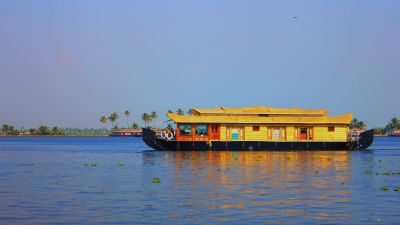
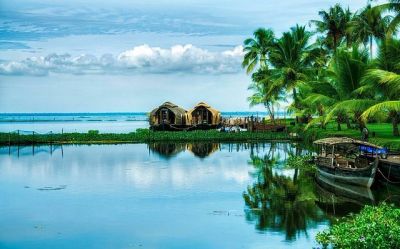
If you are on a longer Kerala circuit, Konni fits neatly between the backwaters of Alleppey and the temples and hill roads of central Kerala. It is not the kind of place you need to over-plan, but it rewards travellers who already have an interest in local culture and animal care.
Frequently Asked Questions
Is Konni Elephant Training Centre suitable for families?
Yes, it is generally suitable for families, especially those travelling with school-age children. The setting is educational and relatively calm, so it can work well as a short stop. Just keep an eye on children near animal viewing areas and follow local guidance.
How much time should I keep for the visit?
Most visitors spend 1.5-3 hours at Konni. If you want to combine it with nearby places like Pathanamthitta or Aranmula, half a day is usually enough. Add more time if you are coming from a major city and returning the same day.
What is the best route from Kochi?
The most practical route is usually by road through central Kerala towns, with the exact path depending on your starting point in Kochi. Travel time is commonly around 3.5-4.5 hours, but traffic and weather can change that. If you are taking a taxi, ask the driver to confirm the route before starting.
Are the opening hours fixed?
Not always. Timings and access rules can change based on local management, animal care routines, and seasonal conditions. It is best to verify the current schedule shortly before your visit.
Can I combine Konni with a Sabarimala trip?
Yes, many travellers explore parts of Pathanamthitta district while moving through the wider Sabarimala belt, especially outside peak pilgrimage congestion. That said, traffic can be unpredictable during the season, so keep extra time and do not plan too many stops on the same day.
Is Konni worth visiting if I have already seen wildlife parks in Kerala?
If you have already visited larger wildlife destinations, Konni offers something different: a more local, cultural, and educational experience. It is not about forests or safaris, but about Kerala’s relationship with elephants and traditional care practices. That makes it a useful contrast to bigger wildlife outings.
Conclusion
Konni Elephant Training Centre is a good stop for travellers who want a closer look at Kerala’s living traditions without committing to a long excursion. With the right timing, a sensible route, and realistic expectations, it can add depth to your Kerala itinerary in a simple and memorable way.
If you found this guide helpful, share it with someone planning a Kerala trip.
Disclaimer : The information provided in this blog is for general informational purposes only. While we strive to keep the content accurate and updated, TravelSetu assumes no liability for errors or omissions. If you believe any part of this blog infringes your rights or causes concern, please notify us immediately at info[at]travelsetu[dot]com so that appropriate action can be taken.