If you are planning a peaceful Kerala trip and want a base that feels green, cool and easy to explore, Pallivasal and the surrounding Munnar estates are an excellent choice. This guide is for Indian travellers who want to understand what the area feels like, when to go, how to move around, what to do, and how to plan a stay without wasting time on guesswork.
Why Pallivasal and the Munnar estates appeal to travellers
Pallivasal sits about 8-12 km from Munnar town, depending on the exact point you are heading to, and the drive usually takes around 20-30 minutes. It is one of the quieter green stretches in the Munnar region, with tea gardens, bends in the hills, and a calmer atmosphere than the busier market area in town. If you want a trip where the scenery matters as much as the sightseeing, this part of Kerala gives you that balance.
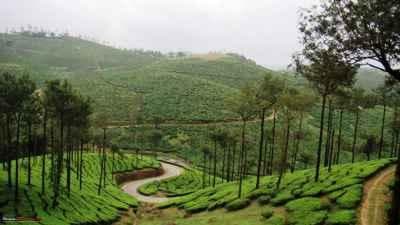
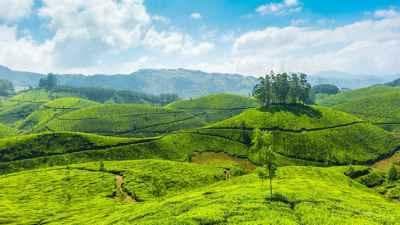
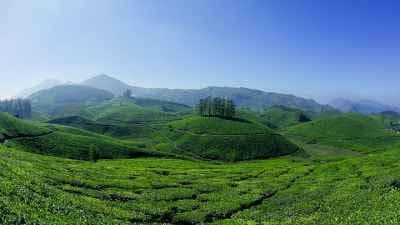
The Munnar estates are spread across a wide hill landscape that includes tea plantations, cardamom-growing areas, small worker settlements, and viewpoints along the road. You will find yourself driving through estate roads rather than crowded city streets, which makes the experience feel unhurried. This is especially good for families, couples, senior travellers, and anyone who prefers long scenic drives over packed itineraries.
What Pallivasal is like on the ground
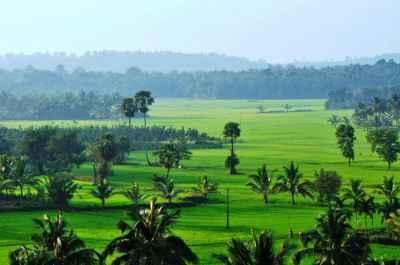
Pallivasal is known more for its setting than for a long list of attractions. The area is green, misty in the mornings, and often cooler than lower-lying parts of Kerala. You will see tea bushes on slopes, estate roads with sharp turns, and small tea factories nearby. The landscape changes with the season too: after the monsoon, the hills look especially fresh, while winter months bring clearer views and better walking weather.
Because it is partly an estate region, facilities are more spread out than in the centre of Munnar town. That means you should not expect shops and restaurants on every corner. It also means your stay can be quieter, with less traffic and more open views from hotels and homestays. If your priority is rest and scenery, that trade-off usually works in your favour.
Best time to plan your trip
The best months to visit Pallivasal and the Munnar estates are generally September to March. During this time, temperatures are pleasant, mornings are cool, and outdoor sightseeing becomes easier. December and January are popular because the weather is crisp, though evenings can feel quite cold for travellers coming from the plains.
June to August is the monsoon period. The hills turn lush and photogenic, but rain can interrupt local movement, make roads slippery, and reduce visibility. If you love greenery and do not mind occasional showers, monsoon travel can still be rewarding, but you should keep buffer time in your schedule. April and May are warmer, though Munnar stays more comfortable than most of Kerala’s lowlands.
For most travellers, a 2-night or 3-night stay works well. That gives you time to cover Pallivasal, nearby viewpoints, tea gardens, and a couple of major Munnar sightseeing spots without rushing.
How to reach Pallivasal
The nearest major access point is Munnar town, which is well connected by road from Kochi, Madurai and other parts of Kerala and Tamil Nadu. The most common entry route for Indian travellers is from Kochi, which is roughly 120-140 km away and usually takes around 4-5.5 hours by road depending on traffic and stops. From Madurai, the journey can take around 4.5-6 hours by road, again depending on route and conditions.
If you are flying in, the nearest major airport for most travellers is Kochi. Rail options are less direct because Munnar does not have a railway station, so you will typically combine train or flight with a cab or bus. Shared buses and KSRTC services may be available on some routes, but for Pallivasal and estate stays, a pre-booked taxi or self-drive car is far more convenient.
Road conditions in the hills can change with rain and traffic, so start early if you are arriving from Kochi or Thekkady side. Daylight driving is safer and gives you a better first look at the plantations.
What to do in Pallivasal and around the estates
Tea garden walks and scenic drives
The simplest pleasure here is also the best one: walking or slowly driving through tea estates. The roads around Pallivasal open into long green slopes where the tea bushes are trimmed in neat lines. You will find plenty of photo stops, but it is better to keep your pace slow and enjoy the cool air and quiet roads. Early morning and late afternoon are the nicest times for this.
Visit tea factories and learn the process
Munnar is known for tea, and the estate region is one of the best places to understand how it is processed. Some tea factories and visitor centres in the wider Munnar area offer guided tours or tasting sessions. Expect entry fees in the range of Rs.100-Rs.300 per person for basic visits, though rates can vary by property and season. Confirm before you go, as timings and availability are often updated.
Viewpoints and short excursions
From Pallivasal, you can easily plan short drives to familiar Munnar attractions such as Echo Point, Mattupetty Dam, Top Station, and the Photo Point area. Distances vary, but most are within a reasonable half-day circuit if you start early. Some roads are winding, so do not overload the day with too many stops. Two or three well-chosen visits are enough to make the day enjoyable.
Water and nature stops nearby
The Pallivasal area is also associated with the Pallivasal Hydroelectric Project region, which many travellers pass through while exploring the hills. While the main draw remains the greenery, you may also come across small streams, ghat stretches, and cool roadside stops. In the monsoon and post-monsoon months, these features become more dramatic, but always keep safety in mind when stopping near water or on narrow roads.
Where to stay: estate resorts, homestays and hotels
Accommodation in and around Pallivasal ranges from simple homestays to premium plantation resorts. If you want wide views, quiet surroundings and the feel of being inside the hills, estate properties are often the best choice. If you prefer easier access to restaurants and shops, a hotel closer to Munnar town may suit you better.
For a comfortable mid-range stay, expect prices around Rs.2,500-Rs.5,000 per night. Better-view cottages, plantation stays and boutique resorts can cost Rs.6,000-Rs.12,000 per night or more in peak season. Budget homestays may start around Rs.1,500-Rs.2,500 per night, depending on the location and inclusions.
When booking, ask about the distance from Munnar town, road access after dark, parking, hot water, and meal options. In hill areas, even a beautiful property can be inconvenient if it is too isolated for your travel style. Also check whether breakfast is included, as this is common in many plantation stays.
Food and practical travel tips
Food options around Pallivasal usually include Kerala-style meals, basic Indian dishes, and some tourist-friendly multi-cuisine menus at hotels. If you enjoy local flavours, try appam with stew, puttu, kadala curry, Kerala meals, fish curry if available, and hot tea from the region. Simple food often tastes better here because of the weather and the fresh ingredients.
A few practical points will make your trip smoother:
- Carry a light jacket even in summer, especially if you are out early or late.
- Keep some cash, though UPI and cards work at many places; network can still be patchy in the hills.
- Start sightseeing early to avoid fog and traffic on narrow roads.
- Do not climb into plantation areas without permission; estates are working spaces.
- Buy tea only from reliable outlets if you want sealed packs and consistent quality.
For a typical 2-night trip, a practical budget per person can range from Rs.8,000-Rs.18,000 for a mid-range experience, excluding long-distance travel to Kerala. That usually covers stay, local transport, meals and entry tickets, though premium stays will push the total higher.
Suggested 2-day plan for first-time visitors
If you are visiting for the first time, keep your itinerary relaxed. A packed schedule can feel tiring in hill country because travel times are longer than they look on a map.
- Day 1: Arrive in Munnar by afternoon, check into a Pallivasal or estate stay, take a short tea garden walk, and enjoy sunset from your property or a nearby viewpoint.
- Day 2: Start early for a tea factory visit, then cover one or two major sightseeing points such as Mattupetty Dam or Echo Point, followed by a slow drive back through the estates.
- Optional Day 3: Add Top Station or a more relaxed plantation day if you want a longer break and better photography time.
This kind of plan gives you a fuller Munnar experience without making you feel like you are constantly in transit. It is also ideal if you are travelling with parents or children.
Frequently Asked Questions
Is Pallivasal a good place to stay for a Munnar trip?
Yes, if you want a quieter setting with estate views and easy access to the wider Munnar area. It is especially suitable for travellers who want less crowding than the town centre. Just check how far your stay is from the main road and whether you are comfortable with a more secluded location.
How many days do you need in Pallivasal and Munnar?
Two nights is a good minimum for most travellers, while three nights gives you a more relaxed pace. With just one night, you may end up rushing the plantation experience. A longer stay works well if you want to explore slowly and enjoy your accommodation.
Is it safe to drive around the estates?
Yes, in general, but hill roads require caution. Drive slowly, especially in fog, rain and after dark, and be careful on narrow bends. If you are not comfortable driving in the hills, hiring a local taxi is a sensible option.
What should you pack for Pallivasal and Munnar?
Carry light woollens, comfortable walking shoes, an umbrella or raincoat in monsoon months, and basic medicines. A power bank is useful because long sightseeing days can drain your phone battery. If you plan to take early morning photos, a warm layer will help.
Are tea factory visits worth it?
Yes, especially if you want to understand what makes Munnar famous beyond the scenery. Even a short visit helps you see how tea leaves are processed and packaged. For many travellers, it becomes one of the most memorable parts of the trip.
Can families and senior travellers enjoy this area comfortably?
Absolutely, as long as the itinerary is not too rushed. Choose a stay with good road access, avoid too many long uphill walks, and keep sightseeing breaks short and comfortable. The cool climate and scenic drives usually suit family travel very well.
Conclusion
Pallivasal and the Munnar estates give you the quieter, greener side of Kerala hill travel. If you want tea-covered slopes, cool weather, slow drives and a stay that feels close to nature without being completely cut off, this is a very rewarding choice. Plan around the weather, book a practical stay, and keep your days light enough to enjoy the view.
If this guide helped you plan your Kerala trip, please share it with someone who is thinking about Munnar.
Planning a Kerala trip?
Tell us your dates and who is travelling. Up to three local travel companies send you their itinerary and price.
Get free quotesDisclaimer: The information in this blog is for general information only. We try to keep it accurate and up to date, but TravelSetu accepts no liability for errors or omissions. If you believe any part of it infringes your rights, please write to info@travelsetu.com.