Pathanamthitta and Pamba River
If you are planning a Kerala trip that feels quieter than the usual beach-and-backwater circuit, Pathanamthitta and the Pamba River deserve a serious look. This is the side of Kerala where pilgrimage routes, forest edges, riverbanks, village life, and monsoon-green landscapes come together in a very grounded way. In this guide, you will find what to see, when to go, how to move around, and how to plan a smooth trip without wasting time.
Why Pathanamthitta and the Pamba River matter
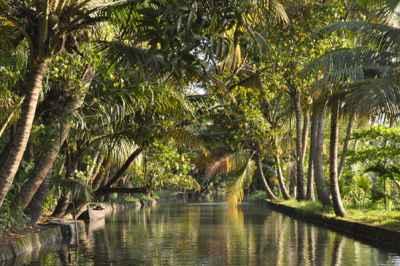
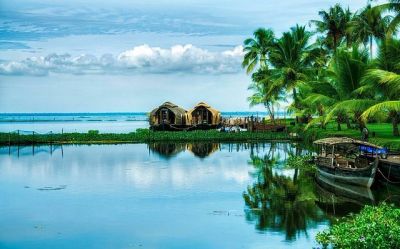
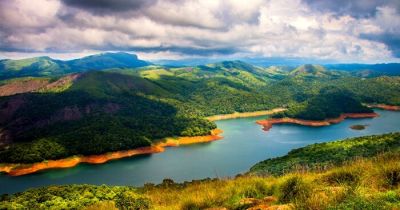
Pathanamthitta is a district in central-southern Kerala known for its temple routes, rubber plantations, river landscapes, and access to some of the state’s quieter nature spots. The Pamba River is the soul of the region for many travellers. It flows through pilgrimage and agricultural zones, supports local life, and becomes especially important during the journey to Sabarimala.
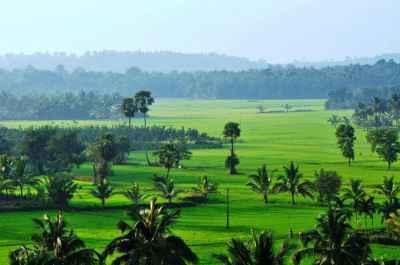
What makes this destination interesting is the mix. You may spend the morning near a temple ghat, drive through small towns and paddy fields by afternoon, and end the day in a hill pocket or riverside lodge. The experience is less about ticking off famous landmarks and more about understanding the rhythm of inland Kerala.
Best time to visit Pathanamthitta and the Pamba River
The most comfortable months are October to February, when the weather is pleasant for sightseeing, short drives, and river views. Day temperatures are usually easier to manage, and humidity is lower than in the monsoon months.
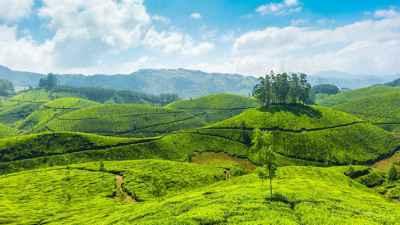
June to September brings the southwest monsoon. The landscape becomes intensely green, but heavy rain can affect road travel and outdoor plans. If you enjoy rain-soaked Kerala scenery, this can be a beautiful time, though you should keep buffer time in your schedule.
March to May is warmer and can feel sticky by midday, so plan early starts and indoor breaks. If you are travelling for pilgrimage-related reasons, check festival and crowd dates separately, since those can change the feel of the trip completely.
How to reach Pathanamthitta
Pathanamthitta does not have a major airport or railway station of its own, so most travellers arrive via nearby hubs and continue by road.
| Starting point | Usual route | Approximate travel time |
|---|---|---|
| Tiruvananthapuram | Road transfer via Kollam/Adoor side | About 3.5-5 hours |
| Kochi | Road transfer through Kottayam side | About 3-4.5 hours |
| Kottayam | Direct road journey | About 1.5-2.5 hours |
| Thiruvananthapuram airport | Cab or bus to Pathanamthitta town | About 4-5.5 hours |
For most Indian travellers, the easiest plan is to fly into Kochi or Thiruvananthapuram and book a cab or intercity bus onward. If you are travelling in a group, a private car is usually more convenient because many local spots are spread out and public transport can be slow between villages.
Top experiences around the Pamba River
Spend time at the Pamba River ghats
The Pamba River is not just a scenic stop; it is part of everyday life here. Riverside ghats near the Sabarimala route and around temple towns become active with pilgrims, local vendors, and families. Even a short stop can help you understand the region’s spiritual and cultural importance.
If you are visiting outside peak pilgrimage periods, the riverbanks feel calmer and more reflective. Carry water, wear footwear that can handle damp ground, and be respectful around ritual areas.
Visit the Sabarimala base-side areas carefully and respectfully
Many travellers come to Pathanamthitta as part of a Sabarimala pilgrimage. The district serves as an important base for the journey, and the Pamba area becomes especially busy during the pilgrimage season. If your trip is pilgrimage-led, plan your accommodation early and expect crowd management, parking delays, and seasonal changes in transport access.
Rules, queue systems, and access conditions may change depending on the season and temple administration, so confirm details locally before finalising your plan. For non-pilgrimage travellers, it is still possible to understand the region’s significance from the outside without joining the main ritual flow.
Take a short scenic drive to nearby river-and-forest pockets
Pathanamthitta is well placed for day outings into places like Konni, Aranmula, and, for longer day plans, the Gavi side depending on access rules and weather. Konni is known for its forest atmosphere and elephant-related heritage tourism, while Aranmula is famous for temple culture and the traditional mirror craft of the region.
These places help balance your itinerary so it is not only about one river stretch. A half-day or full-day loop around the district gives you a far better feel for inland Kerala than a quick in-and-out visit ever will.
What else to see in Pathanamthitta district
Pathanamthitta works well for travellers who enjoy slow, varied sightseeing. Here are some places that often fit neatly into a 2-3 day plan:
- Aranmula - Known for temple traditions, the Aranmula Vallamkali boat race atmosphere, and the handcrafted Aranmula kannadi.
- Konni - A greener, quieter stop with forest-adjacent scenery and family-friendly local sightseeing.
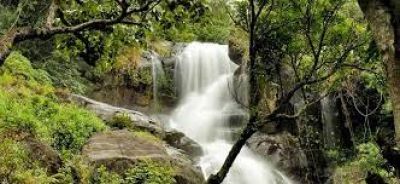
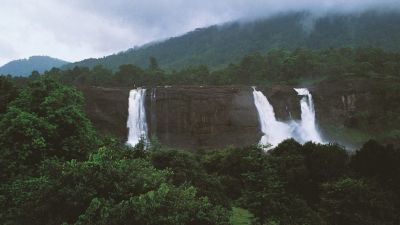
- Perunthenaruvi - A waterfall area that can be very attractive in the monsoon and post-monsoon period, subject to local safety conditions.
- Charalkunnu - Good for hill views and a relaxed break from the warmer lowlands.
- Nilakkal side - Often associated with pilgrimage routes and forest approaches to Sabarimala.
Do not try to cram all of these into one day. The district rewards slower movement, especially if you want to enjoy the roads, village stops, and occasional tea break without feeling rushed.
A practical 2-day Pathanamthitta and Pamba River plan
If you have only a weekend, a simple plan works best. Start early, keep drive times realistic, and leave room for local delays.
- Day 1: Arrive in Pathanamthitta town, check in, visit Aranmula, and spend late afternoon near the Pamba River side or a nearby temple town.
- Day 2: Head toward Konni or a forest-side view point, then return via a local lunch stop. If your trip is pilgrimage-based, keep the second day open for the route to Pamba/Sabarimala access points.
If you have 3 days, add a waterfall or hill stop and keep one relaxed half-day for local food, shopping, and a slower look at river life. In this part of Kerala, the journey between places is part of the experience, so avoid overplanning.
Where to stay and what it may cost
Accommodation in and around Pathanamthitta usually comes in practical categories rather than luxury-heavy options. You will find budget lodges, mid-range hotels, pilgrimage-friendly stays, and a few pleasant resorts in wider district locations.
- Budget stays: ?1,200-?2,000 per night
- Mid-range hotels: ?2,500-?4,500 per night
- Better resorts or larger family stays: ?5,000-?9,000 per night
For pilgrimage travel, staying closer to the Pathanamthitta town side or nearer to the route you will use the next morning is usually smarter than choosing a distant scenic property. For leisure travel, a calm riverside or plantation-adjacent stay can make the trip feel more relaxed. Prices move up during pilgrimage season and holidays, so book early.
What to eat in Pathanamthitta
You should try the local Kerala meal style first. A simple sadya-style lunch or a plate of rice with curries, thoran, avial, sambar, and pickle is easy to find in many places. Small eateries also serve appam, puttu, kadala curry, idiyappam, and fish curry depending on the area.
For snacks, ask for banana chips, pazham pori, parippu vada, or a hot chai stop on the road. Food is usually affordable, with meals at local restaurants often ranging from ?120-?300 per person, while cleaner family restaurants may cost more. If you have a sensitive stomach, choose busy, freshly prepared places rather than isolated highway stops.
Travel tips for a smoother trip
The region is straightforward to explore, but a few small habits will save time and trouble:
- Start your day early, especially if you are combining river stops and forest-side roads.
- Keep cash for small purchases, parking, and local eateries, though UPI is widely used in towns.
- Dress modestly if you are visiting temples or pilgrimage-linked sites.
- Carry mosquito repellent during monsoon and post-monsoon periods.
- Check local road conditions before heading toward forested or waterbody areas after heavy rain.
Transport within the district is easiest by hired cab or your own vehicle. Auto-rickshaws can work for short local hops in town, but they are less practical for covering multiple destinations in one day.
Frequently Asked Questions
Is Pathanamthitta worth visiting for non-pilgrimage travellers?
Yes, especially if you like quieter Kerala trips, river landscapes, and local culture rather than crowded tourist circuits. You may not find huge entertainment zones here, but you will find a more grounded view of life in central Kerala. The district works well for travellers who enjoy slow drives, temple towns, and nature stops.
How many days do you need for Pathanamthitta and the Pamba River?
Two days is enough for a short introduction, while 3-4 days gives you a more comfortable pace. If you are travelling for Sabarimala or during a busy season, add buffer time for crowd movement and transport delays. A rushed same-day plan is possible, but it does not do justice to the area.
Can I visit the Pamba River area during monsoon?
You can, but you should be ready for heavy rain, slippery paths, and occasional travel disruption. The scenery is beautiful in the monsoon, and the river looks full and lively, but safety comes first. Check local advisories, avoid standing too close to swollen banks, and keep flexible timings.
What is the best base for staying in Pathanamthitta?
Pathanamthitta town is usually the most practical base because transport, food, and lodging options are easier to manage there. If you are on a pilgrimage route, choose a stay based on your next day’s access point. For a more relaxed holiday feel, you can look for properties in wider district locations near greener stretches.
Is public transport enough to explore the district?
Public transport can get you between major towns, but it is not the most efficient way to cover multiple sightseeing stops in one day. Buses and autos are useful for short distances, yet a cab or self-drive plan is far better if you want to include Aranmula, Konni, and the Pamba side in one itinerary. This is especially true if you are travelling with family.
Are there good family-friendly places near Pathanamthitta?
Yes, especially if your family prefers relaxed sightseeing over high-energy activities. Aranmula, Konni, selected waterfall viewpoints, and calm river stops can all work well. Just avoid overpacking the schedule and keep enough time for food breaks and rest.
Conclusion
Pathanamthitta and the Pamba River offer a very Kerala kind of travel experience: calm, practical, cultural, and deeply connected to the land and water. If you want a trip that combines pilgrimage routes, village scenery, and easy local exploration, this destination fits beautifully. Plan around the season, keep your itinerary simple, and you will come back with a much better feel for inland Kerala than a hurried city-based trip can give.
If this guide helped you plan better, share the post with someone who is considering a Kerala trip.
Disclaimer : The information provided in this blog is for general informational purposes only. While we strive to keep the content accurate and updated, TravelSetu assumes no liability for errors or omissions. If you believe any part of this blog infringes your rights or causes concern, please notify us immediately at info[at]travelsetu[dot]com so that appropriate action can be taken.