Thalassery Food and Heritage Guide
If you are planning a Kerala trip and want a place where food, colonial-era streets, spice trade history and coastal life all sit close together, Thalassery deserves your time. This guide is for Indian travellers who want practical tips, not vague praise, and by the end you should know exactly what to eat, where to walk, how long to stay, and how to plan your visit around the town’s heritage spots and famous flavours.
Why Thalassery stands out in Kerala
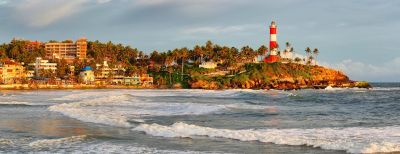
Thalassery, also called Tellicherry, sits in Kannur district on Kerala’s Malabar Coast. It is not a large city, which is part of its charm: you can move between markets, old streets, the sea, and heritage buildings without spending half the day in transit. The town is closely tied to Kerala’s pepper trade, European trading posts, and the evolution of Malabar cuisine, especially biryani, pathiri, and snack culture.
If you enjoy places where history is still part of daily life, Thalassery feels rewarding. You may see a centuries-old fort wall near the sea, eat from long-running bakeries, and spend the evening watching the sunset from a beach promenade. It also works well as a stop on a North Kerala itinerary that includes Kannur, Mahe, Muzhappilangad, and Bekal.
How to reach Thalassery and how long to stay
Thalassery is well connected by road and rail. The nearest major airport is Kannur International Airport, roughly 25-35 km away depending on your starting point in town, with a taxi taking around 45-60 minutes in normal traffic. Kozhikode airport is farther away, often 3-4 hours by road. Thalassery railway station sits on the coastal line and is convenient if you are arriving from Kannur, Kozhikode, Mangaluru, or further south.
For a comfortable first visit, plan 2 days. That gives you enough time for the fort, heritage walks, a food trail, and one relaxed beach stop. If you are a serious food traveller or want to add nearby destinations like Mahe and Muzhappilangad, 3 days is better.
| Travel need | Useful option | Indicative cost |
|---|---|---|
| Local transport | Auto-rickshaw, taxi, short intercity cab | ?100-?300 for short hops; ?2,000-?4,000 for a day cab, depending on route |
| Mid-range stay | Hotels and heritage-style stays | ?2,000-?5,000 per night |
| Food budget | Breakfast, lunch, snacks, dinner | ?400-?1,200 per day per person, depending on where you eat |
The food Thalassery is famous for
Thalassery’s food reputation is not exaggerated. The town is known across Kerala for its distinct version of biryani, the use of thin pathiri, and a snack culture shaped by Arab, Moplah, and colonial influences. The food is flavourful but usually less heavy on masala than many people expect, and many dishes lean on rice, ghee, coconut, and carefully balanced spices.
Start with Thalassery biryani
This is the dish most travellers come for. Thalassery biryani is traditionally made with Kaima rice or Jeerakasala rice, which gives the dish a fragrant, delicate texture. Compared with other biryanis, it often feels lighter and more aromatic. You will usually find chicken, mutton, or occasionally seafood versions in local eateries.
Expect a plate to cost around ?180-?450 depending on the restaurant and protein. For lunch, go early because popular spots can run out. If a restaurant is busy with local families, that is usually a good sign.
Try pathiri, kallummakkaya, and the snack plates
Pathiri is a soft rice flatbread that pairs beautifully with curry. Kallummakkaya, or mussels, appears in many forms here, especially in coastal eateries during the right season. You may also come across parottas, fried snacks, banana-based items, and evening tea counters serving small savouries that disappear quickly.
Look for snack combinations with beef or chicken curry, though availability depends on the restaurant. Kerala’s bakery culture is strong here too, so do not skip local bakeries for puffs, cakes, and tea-time bites.
What to order at breakfast
Breakfast in Thalassery is a good place to explore the region’s identity. Appam, puttu, idiyappam, egg curry, and ghee-laced pathiri-based combinations are common. Some places also serve kallappam and mildly sweet breakfast items. If you want to keep it simple, tea with banana fritters and a fresh bakery snack can be a satisfying start before you head out sightseeing.
Heritage spots worth your time
Thalassery is best enjoyed slowly. You do not need a packed sightseeing list, but a few key places help you understand the town’s history and mood. Most spots are close enough to combine in one day with food stops in between.
Thalassery Fort
The fort is one of the town’s most recognisable colonial-era landmarks. Built by the British East India Company, it reflects Thalassery’s role in the pepper and spice trade. The fort is not enormous, so the visit itself may take under an hour, but it works well for photographs, history, and a sense of how the coast was defended and managed during the colonial period.
Go in the morning or later afternoon to avoid harsh heat. Entry rules and opening hours can change, so confirm locally before you go.
Overbury’s Folly and the sea-facing walk
Overbury’s Folly is a sea-facing promenade area linked with the old colonial presence in the town. It is a pleasant spot for a short walk, especially if you want a break between meals. The sea breeze, old structures, and open view make it a calm place to sit for a while rather than a place that demands a long visit.
Local old-town streets and mosques
Part of Thalassery’s heritage is simply walking around the older parts of town. You will see buildings that reflect European, Arab, and Kerala influences, along with old mosques and market lanes. Be respectful when entering religious sites, dress modestly, and avoid rushing through these spaces as if they are only photo backdrops. A slow walk here tells you more about the town than a checklist ever will.
Nearby places you can add to your itinerary
One advantage of staying in Thalassery is that several interesting places are close enough for half-day or full-day outings. If you are building a North Kerala road trip, this part of the coast offers a lot without long drives.
Muzhappilangad Drive-in Beach
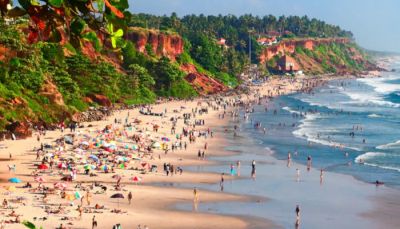
This beach is about 8-10 km from Thalassery, so the drive is usually short, around 20-30 minutes. It is famous for allowing vehicles on the sand in designated stretches, though local conditions and restrictions can change. If you plan to drive, keep safety first and follow local guidance. Even if you do not take a vehicle onto the beach, it is still a good place for an open coastal experience.
Mahe
Mahe is a small enclave with a distinct Franco-Indian feel and is easy to reach from Thalassery, often in about 20-30 minutes by road. It gives you a different cultural flavour in the same trip, with old-world lanes, a riverfront atmosphere, and a slower pace. If you enjoy wandering through compact towns, Mahe pairs well with a food-focused itinerary.
Kannur town and theyyam season planning
Kannur is not far away and can be combined with Thalassery if you have more time. If your trip falls during the theyyam season, usually spanning the cooler months and festival period, you may be able to watch performances in the broader North Kerala region. Since exact schedules vary by temple and year, check well in advance if this is a priority.
When to visit and what the weather feels like
The best time to visit Thalassery is generally from October to March, when the weather is more comfortable for walking, eating outdoors, and visiting beaches. Daytime temperatures are usually more manageable in this window, though Kerala’s coastal humidity is always present.
The monsoon months, roughly June to September, bring heavy rain and can disrupt beach time and walking plans. That said, if you enjoy dramatic skies, greener surroundings, and don’t mind getting around with a flexible plan, the monsoon can still be appealing. April and May are hotter and can feel tiring if you are not used to coastal heat. Always check local weather before you travel, especially if you are planning a road trip.
Where to eat and how to plan your meals
Thalassery is one of those places where food planning matters almost as much as sightseeing planning. Lunch is often the most important meal, and the best dishes can sell out. If you are serious about trying the town’s signature food, keep your schedule flexible.
- Have breakfast early so you can reach heritage sites before the heat builds up.
- Plan biryani for lunch rather than dinner if you want the freshest and widest choice.
- Keep one snack stop free for bakery items, tea, or banana fritters.
- Ask locals where they eat on a regular day, not only where tourists go.
For most travellers, a sensible daily food budget is ?500-?1,000 if you mix local restaurants and bakeries. If you choose more premium places or order seafood and multiple dishes, the budget will rise quickly. Confirm prices before ordering if the menu is not clearly displayed.
Sample 2-day Thalassery itinerary
- Day 1 morning: Arrive in Thalassery, have breakfast with pathiri or puttu, then visit Thalassery Fort.
- Day 1 afternoon: Eat Thalassery biryani for lunch, followed by a slow walk through old streets and Overbury’s Folly.
- Day 1 evening: Stop at a bakery or tea shop, then enjoy a coastal sunset if the weather is clear.
- Day 2 morning: Head to Muzhappilangad Drive-in Beach or Mahe, depending on your interest.
- Day 2 afternoon: Return for seafood or snack culture exploration, then depart or continue to Kannur.
This format keeps travel time low and leaves room for the relaxed pace that makes Thalassery enjoyable. If you try to squeeze too much into one day, you will miss the main attraction here: the rhythm of the town itself.
Frequently Asked Questions
How many days are enough for Thalassery?
Two days are usually enough for the main highlights, including food, the fort, and one nearby beach or heritage detour. If you want to explore more slowly or combine Thalassery with Mahe and Kannur, plan for 3 days. That gives you time to eat well without rushing between stops.
Is Thalassery good for family travel?
Yes, it works well for families who enjoy food and low-key sightseeing. The town is not crowded with activity-based attractions, so it suits travellers who prefer calm walks, good meals, and short excursions. If you are travelling with older family members, keep transport simple and avoid overloading the itinerary.
Is Thalassery biryani very spicy?
It is flavourful, but it is usually not aggressively spicy in the way some other regional dishes can be. The aroma of the rice and spices matters more than raw heat. If you are sensitive to spice, ask the restaurant to keep it mild before you order, though the exact preparation varies from place to place.
Can I do Thalassery as a day trip?
You can, especially if you are coming from Kannur or Mahe, but an overnight stay is better. A day trip can feel rushed if you want to combine heritage, beach time, and food stops. Staying one night gives you a more relaxed experience and a better chance to enjoy the town’s evening atmosphere.
What should I wear while visiting heritage and religious places?
Light cotton clothing is best for the climate, but keep it modest when entering mosques or other religious spaces. Shoulders and knees covered is a safe choice. Footwear that is easy to remove is also useful because you may need to take shoes off in certain places.
Is Thalassery expensive?
No, not compared with many tourist-heavy destinations. Food and local transport are usually reasonable, and you can build a good itinerary without a large budget. Your main costs will be accommodation and private transport if you choose convenience over public options.
Conclusion
Thalassery is ideal if you want Kerala through the lens of food, trade history, and coastal culture rather than a rushed sightseeing circuit. Give it at least a couple of days, eat locally, walk slowly, and let the town’s old streets and flavours do the rest. If you found this guide useful, share the post with a fellow traveller planning a Kerala trip.
Disclaimer : The information provided in this blog is for general informational purposes only. While we strive to keep the content accurate and updated, TravelSetu assumes no liability for errors or omissions. If you believe any part of this blog infringes your rights or causes concern, please notify us immediately at info[at]travelsetu[dot]com so that appropriate action can be taken.