Himachal Sangla to Chitkul Walk
If you are planning a trip to Himachal and want one of the most rewarding short mountain walks in the state, the Sangla to Chitkul route deserves a place on your list. This is for travellers who enjoy clean air, river views, wooden houses, and a walk that feels adventurous without needing trekking experience or heavy gear. By the end of this guide, you will know how to do the walk, when to go, what it costs, where to stay, and how to plan it safely.
Why the Sangla to Chitkul walk is special
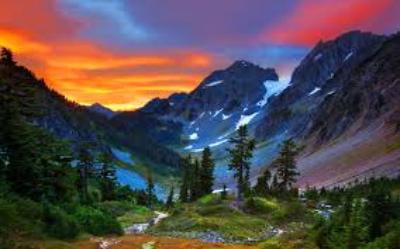
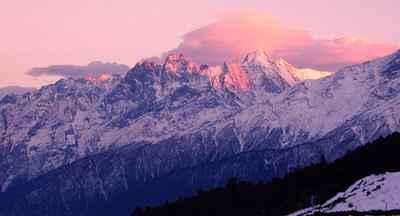
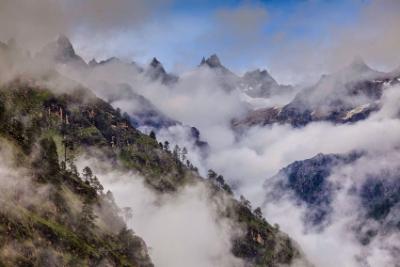
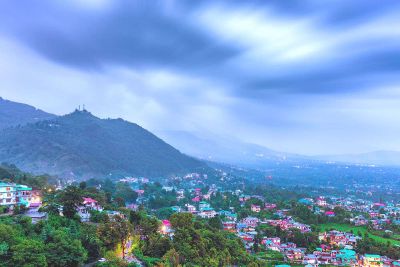
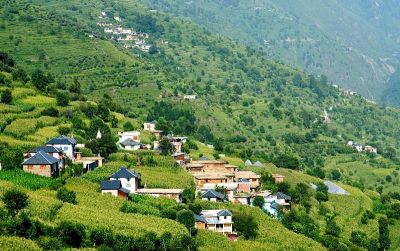
The Sangla to Chitkul walk is not a difficult trek in the usual sense. It is a scenic valley walk in Kinnaur, along the Baspa River, with shifting views of apple orchards, village lanes, wooden temples, and snow peaks depending on the season. The route connects Sangla Valley to Chitkul, often described as the last inhabited village near the Indo-Tibetan border in this part of Himachal.
What makes it memorable is the pace. You are not rushing from viewpoint to viewpoint. Instead, you are walking through a high-altitude valley where everyday life is visible: women carrying produce, locals tending fields, prayer flags fluttering, and the river running beside you. It is ideal for couples, solo travellers, photography lovers, and families with older children who can handle a long walk.
Where Sangla and Chitkul are located
Sangla sits in Kinnaur district, around 220-230 km from Shimla depending on the route, and is typically reached via Reckong Peo and Karcham. Chitkul lies further up the Baspa Valley, roughly 20-22 km from Sangla by road. In normal conditions, the drive between the two takes about 45 minutes to 1.5 hours, while the walk can take much longer depending on your pace and stops.
This part of Himachal has a sharper mountain climate than the lower hills. Even in summer, mornings and evenings can feel cold, and weather changes quickly. If you are coming from Delhi, Chandigarh, or Shimla, you should plan a multi-day trip rather than trying to rush the experience into a single day.
Best time to do the walk
The best months for the Sangla to Chitkul walk are usually May to October, but each month gives a different feel. April and early May can still have cold conditions and some road uncertainty after winter. June and September are often the most comfortable, while July and August bring monsoon concerns in the wider Himachal region, even if this area is comparatively drier than many hill destinations. October can be beautiful, with clear skies and autumn colours, but nights get colder fast.
| Season | What to expect | Best for |
|---|---|---|
| April to May | Cold mornings, lingering snow nearby, fewer tourists | Quiet travel and crisp views |
| June to September | Pleasant days, green valley, possible rain interruptions | Comfortable walking and road travel |
| October | Clear skies, colder nights, autumn tones | Photography and peaceful stays |
| November to March | Winter conditions, snow risk, difficult access | Only for experienced cold-weather travellers |
Before booking, confirm road conditions and local weather. In this part of Himachal, even a short spell of rain or snow can affect movement and timings.
How difficult is the walk?
The Sangla to Chitkul walk is moderate in length but not technical. For many travellers, the challenge is not steep climbing, but the altitude, the distance, and the fact that the route is not always a single marked trail. Some stretches are on road, some on village paths, and some may depend on local conditions or detours.
If you walk the full distance from Sangla to Chitkul, be prepared for a long outing. Depending on where you start in Sangla and the exact route you choose, the distance can be around 18-22 km or more. Many travellers prefer to split it into sections, taking a vehicle part of the way and then walking the more scenic stretches. If you are new to mountain walking, that is the smarter choice.
A comfortable plan is to keep 5-7 hours available if you want a relaxed experience with photo stops, tea breaks, and time in Chitkul village. If you walk briskly without stopping much, you may finish sooner, but that does not always make for a better trip.
Suggested walking route and highlights
There are different ways to approach this walk, but the most practical version follows the Baspa Valley road and village tracks between Sangla and Chitkul. You will pass through changing scenery rather than a single dramatic climb, which is why many travellers enjoy it as a valley experience rather than a trekking challenge.
What you may see on the way
- Apple orchards near Sangla and surrounding hamlets
- The Baspa River running through the valley
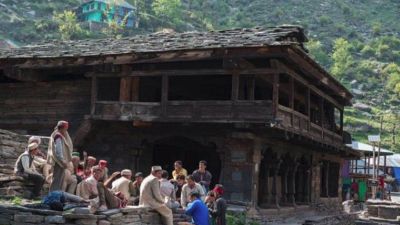
- Wooden Kinnauri houses with carved balconies
- Small tea stalls and local dhabas in season
- Wide open views of mountain ridges and glacier-fed streams
- Chitkul’s traditional village lanes and the atmosphere around the last inhabited settlement in the valley
If you are short on time, one practical option is to drive from Sangla to a point closer to Chitkul and then walk the last few kilometres. This gives you the best part of the experience without risking fatigue or delayed daylight. Ask your local stay host or driver about the current state of paths, since village access can change after rain or maintenance work.
How to reach Sangla
Most travellers reach Sangla from Shimla, Chandigarh, or Delhi by road. From Shimla, the drive is typically long and can take 8-10 hours or more depending on road conditions and halts. From Chandigarh, you should budget roughly 12-14 hours. Self-drive is possible, but mountain driving skills are important, especially on the Karcham-Sangla sector.
The nearest major stopping point on the wider route is Reckong Peo, and many travellers break the journey with a night there or in Kalpa. Public transport is available but limited and slower than private cabs. If you are relying on buses, confirm timings a day before departure, since services can change seasonally.
Where to stay and what it costs
Sangla has homestays, guesthouses, and a few mid-range hotels. Chitkul also has homestays and basic stays, but availability is more limited and conditions can be simpler than in Sangla. For most travellers, staying in Sangla is more practical because you get more dining options and easier access to the walk.
| Stay type | Typical cost per night | What to expect |
|---|---|---|
| Homestay | ?1,200-?2,500 | Home-cooked food, local interaction, simpler rooms |
| Guesthouse | ?1,500-?3,500 | Basic comfort, private rooms, practical for short stays |
| Mid-range hotel | ?3,500-?7,000 | Better amenities, attached bathrooms, more predictable service |
Food costs are usually reasonable. A simple meal may cost ?150-?300 per person at a local eatery, while a fuller dinner at a better property may be ?300-?700. During the season, prices can rise, so keep some buffer in your budget. Always confirm rates before booking, especially if you are travelling in peak months.
Permits, road rules, and practical safety tips
For Indian travellers, special permit requirements may not apply for the basic Sangla to Chitkul trip, but border-area travel rules can change. Since this is a sensitive region close to the border, check current local requirements before you travel, especially if you plan to go beyond Chitkul or stay near restricted zones.
Here are a few practical tips that matter more than fancy gear:
- Carry a valid photo ID at all times.
- Start walking early, ideally by 7:00-8:00 AM.
- Keep warm layers even in summer.
- Use proper walking shoes with grip.
- Carry drinking water and a few snacks.
- Do not depend on mobile network for the entire stretch; signals can be patchy.
- Respect local customs and avoid littering along the river or in village areas.
Altitude can affect people differently. If you feel headache, dizziness, nausea, or unusual tiredness, slow down and rest. Do not force a long walk if you are feeling unwell.
Suggested itinerary for 2 to 4 days
A short but comfortable Himachal trip around this walk usually works best over 3 days. That gives you time to reach Sangla, walk to Chitkul without rushing, and enjoy the valley rather than just passing through it.
- Day 1: Reach Sangla from Shimla or Reckong Peo and stay overnight.
- Day 2: Walk from Sangla to Chitkul, spend time in the village, and return or stay overnight in Chitkul if you prefer a slower pace.
- Day 3: Explore nearby spots in Sangla Valley and begin your return journey.
If you have 4 days, add Kalpa or Reckong Peo to reduce road fatigue. That makes the trip more relaxed and gives you a better chance of enjoying sunrise and sunset views in Kinnaur.
Who should do this walk and who should avoid it
This walk suits people who enjoy long scenic outings, light adventure, and villages with strong local character. It is good for travellers who are comfortable spending several hours outdoors at altitude. It is also a strong choice if you want a trip that feels less commercial than many popular hill stations in Himachal.
You should avoid doing the full walk if you have poor stamina, unstable knees, recent altitude issues, or very limited time in the valley. In that case, drive between Sangla and Chitkul and walk short sections only. That still gives you the essence of the experience without unnecessary strain.
Frequently Asked Questions
How long is the Sangla to Chitkul walk?
The distance can vary depending on your starting point in Sangla and the route you choose, but many travellers estimate it at around 18-22 km or more. Because of mountain conditions and stops for tea, photos, and rest, it can take 5-7 hours or longer. If you do not want a full-day walk, you can cover part of the stretch by vehicle and walk the rest.
Is the walk suitable for beginners?
Yes, if you are reasonably fit and comfortable walking for several hours. It is not a technical trek, but altitude and distance can still make it tiring. Beginners should avoid trying it in bad weather or after a long road journey on the same day.
Can I do the walk in winter?
Winter is not the best time for most travellers because road conditions can be difficult and the area may have snow or freezing temperatures. Some services may also be limited. If winter is your only option, check current local conditions and be ready for delays or route changes.
Are there food options on the route?
You may find small tea stalls or local eateries in season, but you should not depend on them fully. Carry your own water, snacks, and a light packed meal if possible. In Sangla, food options are much easier to find than on the walk itself.
Do I need a guide for the Sangla to Chitkul walk?
A guide is not always necessary if you are using the main road sections and are comfortable asking locals for directions. However, if you want to take village paths, avoid confusion, or learn more about the valley, a local guide or a knowledgeable driver can be very helpful. This is especially useful if the route has changed due to weather or road work.
What should I pack for this trip?
Carry a warm layer, rain protection in the monsoon months, a cap, sunscreen, comfortable shoes, reusable water bottle, basic medicines, and cash. Mobile networks and ATMs may not be dependable everywhere, so keep essentials with you. Pack light, but do not compromise on weather protection.
The Sangla to Chitkul walk is one of those Himachal experiences that stays with you because it is simple, scenic, and grounded in real mountain life. If you plan it well, travel slowly, and respect the weather and altitude, it can become the highlight of your Kinnaur trip.
If you found this guide useful, share this post with someone planning a Himachal journey.
Disclaimer : The information provided in this blog is for general informational purposes only. While we strive to keep the content accurate and updated, TravelSetu assumes no liability for errors or omissions. If you believe any part of this blog infringes your rights or causes concern, please notify us immediately at info[at]travelsetu[dot]com so that appropriate action can be taken.