Kashmir Jammu Division Overview
If you are planning a trip to Kashmir and want to understand the region beyond Srinagar and the valley, this overview of the Jammu Division will help you map your journey properly. It is especially useful for Indian travellers who want a practical sense of where Jammu fits into a Kashmir trip, how to move around, what to expect by season, and which places are worth your time.
The Jammu Division is the southern gateway to the broader Kashmir region and a very different travel experience from the lake-and-meadow image most people first imagine. It includes pilgrimage towns, hill stations, river valleys, forest roads, and several routes that connect you to the Kashmir Valley, making it an important starting point for road trips, family holidays, and winter travel plans.
What the Jammu Division Means for a Kashmir Trip
When travellers talk about Kashmir, they usually mean the Kashmir Valley, with Srinagar, Gulmarg, Pahalgam, and Sonamarg taking most of the attention. The Jammu Division, however, is the access corridor for many visitors and adds a very different flavour to the journey. It is warmer than the Valley, more spread out, and better suited to temple visits, short hill breaks, and overland travel into the north.
For you as a traveller, this matters because your entry point changes the tone of the trip. Jammu city is the rail and road hub, while places such as Patnitop, Sanasar, Bhaderwah, and Katra can be added as stopovers or standalone breaks. In practical terms, the division helps you build a trip that can be purely pilgrimage-focused, nature-focused, or a mix of both.
Key Places in the Jammu Division
Jammu City
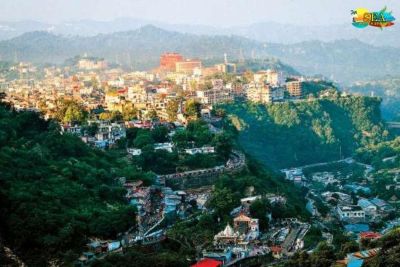
Jammu city is the administrative and transport centre of the division. Most travellers pass through it on their way to the Kashmir Valley, Vaishno Devi, or the hill stations in the Chenab region. The city has important temples, old bazaars, and straightforward hotel options, so it works well as a one-night halt before you continue uphill.
If you are arriving by train, Jammu Tawi is the main railhead. Road travel from Jammu to Srinagar is long, usually around 8-10 hours depending on weather and traffic, so many travellers prefer to break the journey at Patnitop or Udhampur instead of doing it in one stretch.
Katra
Katra is the base town for the Shri Mata Vaishno Devi pilgrimage and one of the busiest travel points in the region. Even if you are not travelling for the shrine, the scale of movement in Katra gives you a clear picture of how important religious tourism is to the Jammu Division. You will find a wide range of hotels, eateries, and transport services here.
The trek to Vaishno Devi from Katra is around 12-13 kilometres one way, and many pilgrims complete it in 5-8 hours depending on fitness and crowd levels. Battery cars, pony services, helicopter options, and other assistance may be available subject to weather and official regulation, so check current rules before you book anything.
Patnitop
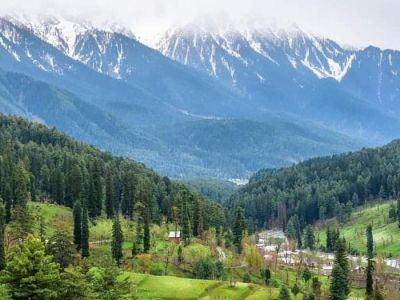
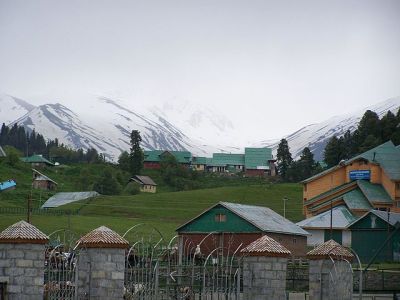
Patnitop is one of the best-known hill stops in the Jammu Division and a good place to pause if you are driving towards Kashmir Valley. It sits on a forested ridge with cooler weather than Jammu city, and it is often chosen for short family holidays because the drives are manageable and the scenery changes quickly.
This is also a useful stop if you want a softer introduction to mountain travel before going higher into Kashmir. In winter, roads can be affected by snow and visibility, so a flexible itinerary is important.
Sanasar
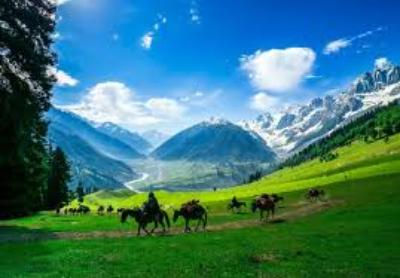
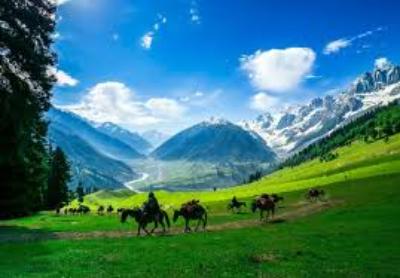
Sanasar lies not far from Patnitop and is known for open meadows and adventure activities in a relatively quiet setting. If you enjoy gentler walks, short horse rides, or just time away from crowded tourist centres, this area is worth considering. It is often paired with Patnitop in 2-3 day road trips from Jammu.
Bhaderwah
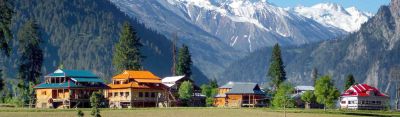
Bhaderwah is one of the more scenic towns in the Chenab side of Jammu Division and has become better known among travellers who prefer less crowded routes. The landscape changes from dry foothills to greener valleys, and the journey itself is part of the appeal. It is a good add-on for travellers who want a deeper look at Jammu beyond the standard pilgrimage circuit.
Ramban, Udhampur, and Reasi
These districts are often transit names on the map, but they matter a lot in real travel planning. Udhampur is a key road-and-rail stop, Ramban lies on the major highway toward Kashmir, and Reasi is important because it connects to the Vaishno Devi belt and newer tourist attention in the region. If you are driving, these are the places where you plan fuel, food, and rest breaks.
Best Time to Visit and What the Weather Feels Like
The Jammu Division has a wider weather range than many first-time visitors expect. Jammu city can be hot in summer, with temperatures often feeling intense from May to July, while the hill stations stay milder. The best time for most travellers is usually March to June for pleasant weather, and September to November for clear views and comfortable road travel.
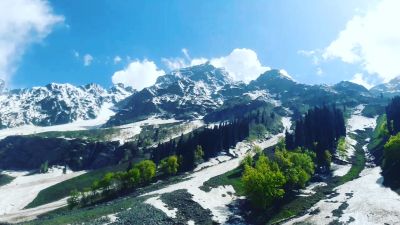
Winter has its own appeal, especially in Patnitop and the higher stretches toward the Valley, but it also brings road uncertainty. Monsoon months can cause landslides or delays on hill routes, especially on the highway corridors. If your Kashmir holiday depends on road travel through Jammu Division, keep at least one buffer day in hand.
| Season | Travel Feel | Good For | Watch Outs |
|---|---|---|---|
| March to June | Comfortable to warm | Sightseeing, temple visits, hill stops | Jammu city can get hot |
| July to August | Warm, humid at lower levels | Flexible road travel, quieter hill breaks | Rain, landslides, road delays |
| September to November | Clear and pleasant | Road trips, photography, family travel | Early cold in higher areas |
| December to February | Cold in hills, milder in Jammu city | Snow-related stays, pilgrimage travel with planning | Snow, fog, possible road closures |
How to Reach and Move Around
Most travellers reach Jammu Division by train, road, or flight to Jammu. Jammu Airport connects to major Indian cities, though schedules can change with season and demand. If you are heading onwards to Kashmir Valley, road is still the main option for most travellers, unless you are using a mix of transport and staying within the division.
From Jammu city, travel times are roughly 1.5-2.5 hours to Katra, around 2-3 hours to Patnitop, and longer if you are pushing toward Srinagar. Road conditions are generally better on main routes than on smaller hill connectors, but mountain travel here is never something to rush. Start early, especially in winter or on weekends when pilgrimage traffic increases.
Taxis, shared cabs, and private cars are the most practical transport options. For a family or small group, hiring a cab for the day often costs around ?3,000-?6,500 depending on route, vehicle type, and season. Shared transport is cheaper, but it comes with less control over timing and comfort.
Suggested Travel Styles and Itineraries
For Pilgrimage Travellers
If your main purpose is Vaishno Devi, build a simple itinerary around Katra and Jammu. A 2-3 day plan is usually enough: arrive in Jammu, transfer to Katra, complete the trek or heli-assisted visit if available, and return with one buffer day if possible. This keeps the trip calm and manageable for families, senior travellers, and larger groups.
For a Scenic Road Trip
If you want to use the Jammu Division as part of a larger Kashmir drive, consider a route like Jammu to Patnitop, then onward toward Srinagar, with one night in the hills. This breaks the long drive and lets you enjoy the changing landscape without turning the holiday into a road marathon. A 4-6 day plan works better than trying to do everything in a rush.
For a Mixed Kashmir Holiday
A balanced Kashmir trip can include 1 night in Jammu or Katra, 1 night in Patnitop, and then several nights in the Valley. This works well if you are travelling with children or older family members and want to reduce travel fatigue. It also gives you more flexibility if weather affects the main highway.
Food, Stay, and Budget Basics
Jammu Division is generally easier on the pocket than many premium hill destinations, but costs rise sharply during pilgrimage peaks and holiday periods. Budget hotels in Jammu, Katra, and smaller towns may range from ?1,500-?3,000 per night, while comfortable mid-range stays often sit around ?3,500-?7,000 per night. In peak dates near major yatra periods, prices can climb beyond this.
Food is straightforward and filling, with North Indian meals, local snacks, and vegetarian options widely available around temple towns. If you are travelling for religious reasons, you will find many pure vegetarian places near Katra and some temple complexes. Carry some cash for smaller roadside stops, although digital payments are now common in most towns.
For budgeting a short trip, a couple can usually plan around ?8,000-?18,000 for a 2-3 day Jammu Division visit excluding long-distance flights or train fares, depending on hotel choice and transport style. Add more if you want a private cab, premium hotel, or an extended pilgrimage itinerary.
Practical Tips Before You Go
- Check road and weather updates before leaving Jammu city, especially between July and February.
- Book pilgrimage stays in advance during Navratri, summer holidays, and major yatra periods.
- Keep light woollens even in warmer months if you are heading to Patnitop or higher hill areas.
- Start road journeys early in the day to avoid traffic and reduce the chance of delays.
- Carry medicines, water, and snacks if you are travelling with children or elderly family members.
- Confirm current taxi fares, hotel check-in rules, and any shrine or local travel regulations before final payment.
Frequently Asked Questions
Is the Jammu Division the same as Kashmir Valley?
No, it is a different part of the larger Jammu and Kashmir region, with its own landscape and travel style. Jammu Division is lower, warmer, and more connected to pilgrimage and road transit, while Kashmir Valley is known for Srinagar, Gulmarg, Pahalgam, and Sonamarg. Many travellers combine both in one trip.
How many days should I spend in the Jammu Division?
If you are only stopping for transit, 1 night is enough. For Vaishno Devi, plan 2-3 days. If you want to include Patnitop or another hill break before entering the Valley, 3-5 days is more comfortable.
Is it safe to drive from Jammu to Kashmir Valley?
It is a common route, but it requires patience and weather awareness. Road conditions can change due to rain, snow, traffic, or maintenance, especially on mountain stretches. Always check updates before departure and keep a flexible schedule.
What is the best airport or station for this region?
Jammu Airport and Jammu Tawi railway station are the main arrival points for the division. From there, you can move toward Katra, Patnitop, or onward to the Kashmir Valley by road. If you are coming from outside North India, booking the Jammu leg in advance is wise.
Can I do Jammu Division as a family trip?
Yes, it works very well for families, especially if you keep the itinerary simple. Katra, Jammu city, and Patnitop are all family-friendly with plenty of stay and food options. Just avoid overpacking the schedule, since mountain roads can be tiring for children and older travellers.
What should I prioritise if I have only one day?
Choose based on your purpose. For pilgrimage, Katra is the clear priority. For a scenic pause, Patnitop is better. If you are simply transiting toward Kashmir, keep the day for rest in Jammu and start early the next morning.
The Jammu Division gives your Kashmir trip structure, not just a route. It can be the practical starting point for a pilgrimage, a calm first stop before the Valley, or a rewarding destination in its own right if you enjoy hill drives and quieter corners. Plan with weather, road time, and your real pace in mind, and the journey becomes far more enjoyable.
If this overview helped you plan your Kashmir trip better, share the post with someone who is mapping their own journey.
Disclaimer : The information provided in this blog is for general informational purposes only. While we strive to keep the content accurate and updated, TravelSetu assumes no liability for errors or omissions. If you believe any part of this blog infringes your rights or causes concern, please notify us immediately at info[at]travelsetu[dot]com so that appropriate action can be taken.