Kashmir Traditional Granary and Storage
If you are planning a cultural trip to Kashmir and want more than lakes, snow, and gardens, this article is for you. Here, you will understand how Kashmiri homes and villages traditionally stored grain, dried food, and protected winter supplies in a valley where long cold months shaped everyday life. You will also get practical travel tips on where to see these old storage systems, what to notice, and how to add them to a heritage-focused Kashmir itinerary.
Why traditional storage matters in Kashmir
In Kashmir, storage was never just about keeping rice or wheat safe. It was about surviving winter, managing harvest cycles, and preserving food for months when roads could be difficult and fresh produce was limited. Before modern packaging and market access became common, families relied on a careful system of granaries, dry rooms, wooden containers, earthen pots, and elevated stores to protect food from dampness, rodents, and sudden weather changes.
This is one reason Kashmir’s traditional storage methods are so interesting for travellers. They reveal how local architecture was designed around climate, not just beauty. A home in the valley was often planned with a clear logic: where grain would be kept, where walnuts and dried vegetables would hang, how to prevent moisture from entering, and how to use wood and stone in ways that suited the cold months.
How Kashmir’s traditional granaries worked
Traditional granaries in Kashmir were usually simple but highly practical. In many rural households, grain was stored in wooden bins, raised compartments, or special rooms within the house. In some areas, families used separate store spaces away from the main living area to reduce dampness and protect the harvest from fire, insects, and animals.
Wood, stone, and elevation
Because the region receives heavy winter moisture and snowfall in many areas, storage spaces were often made from materials that could breathe and stay stable in cold weather. Wood was common for containers, while stone or mud-plastered walls helped regulate temperature. Some storage areas were placed on a slightly raised platform to reduce contact with wet ground.
You may also notice that older homes in Kashmir, especially in villages and heritage settlements, use attics or upper-level spaces for storing dried goods. These areas kept food farther from ground moisture. The design was practical, but it also reflected a deep understanding of local seasons.
What was stored
The list of stored items was broader than grain alone. Families commonly kept rice, maize, wheat, dried pulses, walnuts, dried turnips, dried vegetables, spices, and sometimes salt in secure containers. In some homes, saffron was handled with special care because of its value and delicacy. Seasonal preservation was a major part of domestic life, especially in areas where gardens and fields fed the household for the whole year.
Food preservation traditions you can still notice today
Even if a village no longer uses the old system in full, you can still see many related practices across Kashmir. These food-preservation habits are often tied to the same storage logic that once governed granaries.
Dried vegetables and winter stores
Many Kashmiri homes traditionally dried vegetables such as turnips, leafy greens, and chillies for use during winter. These were stored in dry, dark spaces to keep them usable for months. You may also come across strings of red chillies, bundles of herbs, and carefully stored walnuts in older homes and local markets.
Walnuts, rice, and spices
Walnuts are a significant part of Kashmiri household storage because they last well when kept dry and ventilated. Rice, being a staple in much of the valley, was often stored in sealed containers or bins that limited moisture. Spices were treated with equal care, as they were expensive and needed protection from humidity.
If you visit local households through a guided village experience, you may be shown storage methods in a respectful, everyday setting. Always ask before entering store areas, because these spaces can still hold family food supplies and personal items.
Where to explore Kashmir’s storage heritage
You do not need a museum-only trip to notice traditional storage. The best understanding comes from combining heritage sites, village visits, and old residential neighbourhoods in Srinagar and beyond.
Srinagar old quarters and wooden homes
In Srinagar’s older localities, traditional wooden homes and historic neighbourhoods can give you a sense of how storage fit into domestic architecture. While not every house will be open to visitors, the outer design, upper floors, and compact construction offer clues. If you are walking through heritage areas with a local guide, ask about the pantry, attic, and winter store rooms used in old Kashmiri homes.
Pahalgam, Ganderbal, and village stays
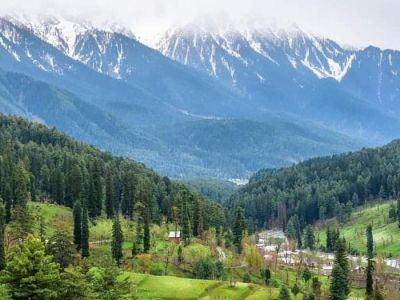
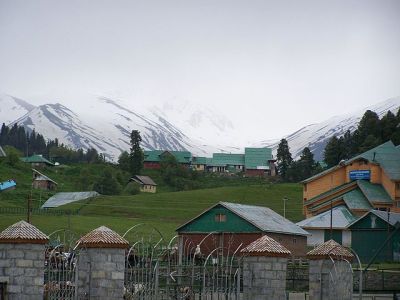
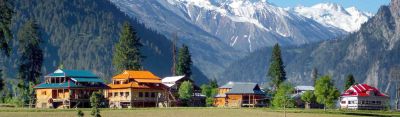
Village stays around Pahalgam, Ganderbal, and some parts of north and central Kashmir are useful if you want to see living traditions rather than museum displays. Rural families may still use wooden cupboards, lofts, or side rooms for grain and dried foods. In such places, the storage system is often part of a working household, so your visit should be quiet and considerate.
Craft and heritage stops
If you are interested in the craftsmanship behind storage containers, look for traditional woodwork centres and heritage craft demonstrations in and around Srinagar. Kashmiri woodcraft is closely tied to home interiors, cupboards, and food storage chests. A craftsman may explain how cedar, walnut wood, or other local timber was used in household furniture and storage pieces.
Best time to plan this kind of trip
The best months to explore Kashmir’s living heritage are generally April to June and September to October, when roads are easier, daylight is pleasant, and village visits are comfortable. Spring and early autumn also give you a better chance to see daily life in full activity, with food preparation, drying, and seasonal stocking more visible than in deep winter.
If you travel in November to February, you will feel the importance of storage traditions more strongly because winter conditions make the subject feel real. However, weather can slow down travel, so keep some flexibility in your plan. Always confirm road conditions, local access, and accommodation availability before booking.
How to build a 3-4 day heritage itinerary around this theme
A short Kashmir trip can easily include traditional storage and food heritage if you plan around neighbourhood walks, village visits, and one or two craft stops. Here is a simple way to structure it:
- Day 1: Arrive in Srinagar, take a guided walk through old neighbourhoods, and learn how traditional homes managed winter food storage.
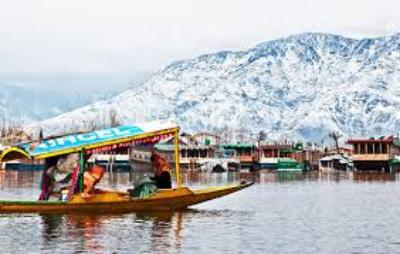
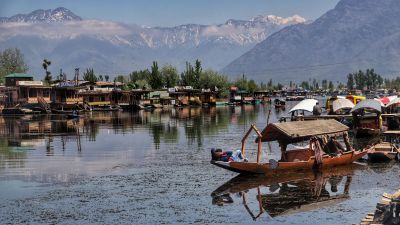
- Day 2: Visit a heritage houseboat area or wooden-house locality, then explore a craft centre that explains Kashmiri woodwork and storage furniture.
- Day 3: Take a half-day village trip toward Ganderbal or a nearby rural area to observe household storage practices and seasonal food preparation.
- Day 4: Add a market visit for walnuts, dry fruits, spices, and local ingredients before departure.
This kind of itinerary works especially well for travellers who enjoy culture, architecture, and food stories. It is also a good fit if you are travelling with parents or older family members who appreciate slower, more meaningful experiences.
What you should budget
Costs in Kashmir vary by season, hotel category, and road conditions, so treat these as indicative ranges and confirm before booking. For a comfortable mid-range trip, you can expect:
| Expense | Indicative cost |
|---|---|
| Budget hotel or guesthouse | ?1,800-?3,500 per night |
| Mid-range hotel or boutique stay | ?4,000-?8,000 per night |
| Private local taxi for a day | ?3,000-?6,500 |
| Guided village or heritage walk | ?1,000-?3,000 per person |
| Meals | ?300-?900 per meal per person |
If you are booking through a package, a 3-4 day Kashmir heritage trip can vary widely depending on hotel type and transport, so compare inclusions carefully. Ask whether village transfers, guide charges, and entry fees are included.
Travel etiquette and practical tips
Because traditional storage is often part of a family’s daily life, a respectful approach matters. If someone shows you their store room, attic, or grain containers, treat it as a private space unless told otherwise. Avoid touching stored food, containers, or hanging dried items without permission.
Wear modest, comfortable clothing for village visits, especially if you are entering homes or small lanes. Carry cash in smaller denominations because rural areas may not always offer easy digital payment options. In colder months, moisture can affect bags and electronics, so keep your essentials packed in waterproof layers.
Also remember that market timing matters. Many local bazaars in Srinagar are most active in the morning and early afternoon, which is a better time to see dry fruits, spices, and preserved foods neatly displayed.
What makes Kashmiri storage traditions different from other regions
Across India, every region has its own storage wisdom, but Kashmir’s system is shaped by a distinct combination of cold weather, long winters, and strong craft traditions. In coastal or tropical regions, storage often focuses on heat, pests, and humidity. In Kashmir, the challenge is also cold, dampness, and planning ahead for months when outside movement can become difficult.
This is why Kashmiri storage spaces are often more integrated into home design. A chest, loft, pantry, and dry room are not separate luxuries; they are part of the household’s seasonal rhythm. For travellers, this adds another layer to the region’s culture. You are not only seeing houses; you are seeing a way of life built around preparedness.
Frequently Asked Questions
What is a traditional granary in Kashmir?
A traditional granary in Kashmir is a household or village storage space used to keep grain, rice, and dry food safe through the winter months. It may be a separate room, a wooden bin, or an elevated storage area inside the home. The design helps protect food from moisture and pests.
Can tourists visit places related to Kashmiri food storage?
Yes, but access depends on the location. You are more likely to experience this through village stays, guided heritage walks, and visits to old residential areas or craft centres in and around Srinagar. Always ask permission before entering private homes or storage spaces.
What foods were commonly stored traditionally in Kashmir?
Families commonly stored rice, wheat, maize, pulses, walnuts, dried vegetables, spices, and salt. Some households also handled saffron and dried herbs with special care. The exact mix depended on the family’s diet and the season.
Which months are best for a heritage trip focused on this topic?
April to June and September to October are usually the easiest months for travel. The weather is comfortable, roads are generally more manageable, and heritage walks are pleasant. If you travel in winter, you will see the importance of storage more clearly, but conditions can be challenging.
Do I need a special permit to explore these areas in Kashmir?
For most common tourist areas in Kashmir, you do not need special permits, but local rules can change depending on the place you are visiting. Some border-sensitive or restricted areas may have access limitations. Confirm the latest requirements with your travel provider or local authorities before you go.
How many days should I keep aside for this kind of experience?
Three to four days is enough for a focused heritage trip in Kashmir if you base yourself in Srinagar. That gives you time for old-city walks, a village visit, and a market stop without rushing. If you want to combine it with Gulmarg, Pahalgam, or Sonamarg, add a few more days.
Traditional granary and storage practices in Kashmir are a quiet but powerful part of the valley’s culture. They show how people lived with the land, planned for winter, and turned practical needs into a thoughtful home tradition. If you travel with curiosity and patience, you will come away with a much deeper view of Kashmir than scenery alone can give you.
Share this post with someone planning a Kashmir trip so they can explore the valley’s heritage with a sharper eye.
Disclaimer : The information provided in this blog is for general informational purposes only. While we strive to keep the content accurate and updated, TravelSetu assumes no liability for errors or omissions. If you believe any part of this blog infringes your rights or causes concern, please notify us immediately at info[at]travelsetu[dot]com so that appropriate action can be taken.