Kashmir Pampore Saffron Belt Towns
If you are planning a Kashmir trip and want to go beyond Srinagar’s houseboats and Gulmarg’s meadows, the saffron belt around Pampore deserves a place on your itinerary. This guide is for Indian travellers who want to understand where Kashmir’s famous saffron comes from, which towns to stop in, when to visit, what to buy, and how to plan a smooth road trip around the belt.
By the end, you will know how to cover Pampore and nearby saffron-growing villages in half a day or as part of a longer south Kashmir circuit, what a realistic budget looks like, and how to time your visit for the bloom and harvest season.
What the Pampore saffron belt is and why it matters
Pampore, often called the saffron town of Kashmir, sits on the Srinagar-Jammu highway in Pulwama district. The wider saffron belt includes nearby villages and fields where the purple crocus flowers are cultivated, especially around Kadlabal, Khrew, Samboora, Ladhoo, Lethpora and parts of the adjoining Pulwama countryside. For Indian travellers, this is one of the most accessible farm landscapes in Kashmir because you can reach it in about 30-45 minutes from Srinagar, depending on traffic.
The saffron grown here is prized for its deep colour, aroma and flavour. If you have only seen saffron in tiny boxes in a supermarket, visiting the source changes the experience completely. You get to understand how labour-intensive the crop is, why the harvest window is short, and why genuine Kashmiri saffron commands a higher price than many alternatives in the market.
Best places to explore in and around Pampore
Pampore town
Pampore itself is the easiest base for the saffron trail. The town is busy, functional and very much part of everyday Kashmir rather than a tourist showpiece. That is exactly why it works: you can walk through local markets, see saffron sellers, and use it as a stop on the highway before heading deeper into south Kashmir.
Saffron fields in Kadlabal and Samboora
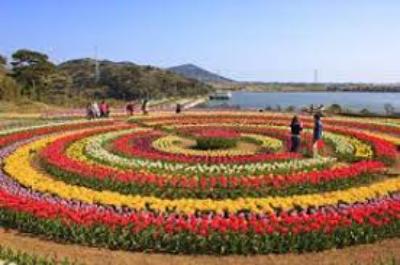
These are among the best-known areas associated with saffron cultivation. During the flowering period, the fields show neat rows of purple blooms, and during harvest you may see local families picking flowers early in the morning. The exact visibility of fields depends on weather, crop cycle and local access, so do not expect every plot to be open to visitors on every day. Ask locally and go with a flexible mindset.
Khrew and Ladhoo
These villages are useful if you want a broader look at the saffron belt rather than one single farm stop. Khrew is also known for its surrounding countryside and for giving you a sense of how agriculture fits into rural life in the region. Ladhoo and nearby hamlets are quieter and can be paired with a drive through the Pulwama side of the belt.
Awantipora
A short drive from Pampore, Awantipora is a practical addition if you want to combine agriculture with heritage. The ancient temple ruins here are one of the more interesting historical stops in south Kashmir. It is easy to cover Awantipora and Pampore in the same half-day outing, especially if you are starting from Srinagar.
Nearby stops on a longer south Kashmir loop
If you have a full day, you can extend the trip to Pulwama, Tral side viewpoints, or even continue toward Pahalgam depending on your route and road conditions. Most travellers, however, find it best to keep the saffron belt as a focused morning outing and then return to Srinagar for lunch or connect it with another south Kashmir attraction.
When to visit the saffron belt
The best time to visit is during the saffron flowering and harvesting period, usually in October and early November. This is when the fields are most active and you have the best chance of seeing the famous purple flowers. The exact timing changes slightly every year based on rainfall, temperature and local farming conditions, so it is wise to confirm locally before planning your day around the bloom.
If you are visiting in summer, you can still come for the town, markets and regional sightseeing, but you should not expect saffron fields in full bloom. Winter travel is possible as part of a Kashmir itinerary, though the agricultural angle becomes less visible. For photography, the early morning hours are best, especially if you are catching flower picking or dew on the fields.
How to reach Pampore from key Kashmir hubs
| Starting point | Approx. distance | Typical travel time | Notes |
|---|---|---|---|
| Srinagar | 15-25 km | 30-45 minutes | Easiest day trip; traffic can slow the highway near busy hours |
| Awantipora | 5-10 km | 15-20 minutes | Can be paired with heritage sightseeing |
| Pahalgam | 60-75 km | 2-3 hours | Longer one-day circuit only if you start early |
| Gulmarg | 75-90 km | 2.5-3.5 hours | Usually not combined in a short trip with the saffron belt |
From Srinagar, the simplest option is a private cab. Shared transport may be available on the highway side, but it is less convenient if you want to stop in multiple places. If you are self-driving, keep in mind that road conditions, security checks and local traffic can change travel times, especially in peak season or on festival days.
What to see, do and buy
Walk the fields with a local perspective
The most rewarding part of the trip is not rushing through the area but spending time observing how saffron is grown and harvested. A local guide or farmer can explain how the flowers are picked, how the stigmas are separated, and why the crop is so labour-intensive. Even a short 20-30 minute walk near the cultivation area becomes meaningful when you understand the work behind every gram.
Buy saffron carefully
If you want to buy saffron, purchase only from trusted local sellers and ask for packaging, origin details and quality information. Real Kashmiri saffron is usually sold in small quantities because it is expensive. Indicative prices can range from ?400-?800 per gram depending on quality, season and seller, but rates vary widely, so compare before buying.
Look for local products
Besides saffron, you may find dried herbs, honey, walnuts, dry fruits and small packaged items sold by local vendors. Keep your purchases practical and avoid overbuying on the roadside. If you are travelling back by air, check airline rules and packaging carefully so that your saffron stays sealed and does not get damaged.
Photography and respectful travel
Morning light works best for field photography, but always ask before photographing people, especially women working in the fields. Walk only where you are permitted to go, and avoid stepping into planted rows. This is a working agricultural zone first and a tourist experience second.
Suggested half-day and full-day itineraries
Half-day option from Srinagar: Leave early around 7:00 am, reach Pampore by 7:45 am to 8:00 am, spend time in the saffron fields and local market, then visit Awantipora before returning by lunch. This works well if you want the saffron experience without taking a full day away from Srinagar sightseeing.
Full-day option: Start in Srinagar, spend the morning in Pampore and nearby villages, continue to Awantipora, then extend toward Pulwama or connect to Pahalgam if road and weather conditions are comfortable. This option makes sense if you have a driver and want a more relaxed pace with meal stops and extra photo time.
If you are on a Kashmir honeymoon or family holiday, the saffron belt works best as a calm cultural stop rather than a packed sightseeing dash. Young children may enjoy the flowers and open spaces, but keep expectations realistic because this is not a theme-style attraction with built-in facilities everywhere.
Where to eat and what a simple budget looks like
Pampore is not primarily a food destination, so most travellers eat in Srinagar before or after the trip. On the highway and in nearby towns, you can find basic dhaba meals, tea, snacks and casual Kashmiri food. For a clean, comfortable meal, many visitors prefer to return to Srinagar, where options are broader.
For a day trip, a realistic budget for two people may look like this: cab hire ?2,500-?4,500 depending on route and hours, food ?500-?1,200, and shopping as per your choice. If you are staying in a decent Srinagar hotel, rooms can range from ?2,500-?6,000 per night for mid-range options, while premium stays can go much higher in peak months. These are indicative figures and can change sharply during peak tourism periods, local events and snowfall season.
Tips for a smooth and respectful visit
- Start early, especially in October and November, so you can catch morning field activity.
- Carry cash in smaller denominations for local purchases, as card acceptance may be limited.
- Dress modestly and wear shoes suitable for uneven farm paths.
- Do not touch or pick flowers without permission.
- Ask locally before assuming a field is open to visitors.
- Confirm road conditions, taxi charges and any local restrictions before booking your trip.
It also helps to plan this visit as part of a larger Kashmir itinerary. Pampore is close enough to Srinagar that you do not need a separate overnight stay unless you are combining it with multiple south Kashmir stops. For most travellers, one well-timed morning is enough to appreciate the region without making the day feel rushed.
Frequently Asked Questions
Is Pampore worth visiting if I am already going to Srinagar?
Yes, especially if you want to see where Kashmir saffron comes from rather than only buying it in the market. Since Pampore is so close to Srinagar, it fits neatly into a half-day outing. It adds a strong local flavour to your trip without requiring major extra travel time.
What is the best month to see saffron fields in bloom?
October is usually the main month, with some activity continuing into early November depending on weather and crop cycle. Exact bloom timing changes from year to year, so check locally before finalising your travel dates. If you go too early or too late, you may still enjoy the area but miss the flowering stage.
Can I visit the saffron fields on my own?
In some areas, yes, but it is better to go with a local driver or guide who knows which fields are accessible. Some plots are private working farms, and access can change from season to season. A local contact also helps you avoid unnecessary detours and price confusion while shopping.
How much saffron should I buy for personal use?
Most travellers buy very small quantities, often 1-5 grams, because good saffron is expensive and a little goes a long way. Buy only what you can use within a reasonable time and store it in an airtight container. If a seller is offering unusually cheap saffron, be cautious and compare quality carefully.
Is Pampore safe for tourists?
For most travellers, a daytime visit arranged through a trusted driver or local contact is straightforward. As with any Kashmir trip, stay updated on local conditions, road status and official advisories before moving around. It is always wise to travel with flexibility and avoid very late returns if you are unfamiliar with the route.
Can I combine Pampore with Pahalgam or Gulmarg in one day?
Pampore can be combined with Pahalgam only if you start very early and are prepared for a long day on the road. Gulmarg is usually less practical to combine with the saffron belt in a single short trip. For a more comfortable itinerary, keep Pampore with Awantipora and south Kashmir stops, or do it as a separate Srinagar outing.
Conclusion
The Pampore saffron belt gives you a different side of Kashmir: rural, seasonal and deeply tied to the land. If you time your visit well and keep your expectations practical, you will come away with a better understanding of saffron farming, a more grounded view of south Kashmir, and perhaps a small box of the region’s most famous spice.
If this guide helped you plan your Kashmir trip, share it with someone who is considering a saffron season visit.
Disclaimer : The information provided in this blog is for general informational purposes only. While we strive to keep the content accurate and updated, TravelSetu assumes no liability for errors or omissions. If you believe any part of this blog infringes your rights or causes concern, please notify us immediately at info[at]travelsetu[dot]com so that appropriate action can be taken.