Sikkim Salt and Mineral Springs
If you are planning a Sikkim trip and want more than monasteries, lakes and mountain views, the state’s salt and mineral springs deserve a place on your list. They are not just scenic stops; many travellers come here to soak, slow down and experience places tied to local healing traditions, especially in South and North Sikkim.
This guide is for you if you want to know where to find the main mineral springs in Sikkim, how to reach them, when to go, what they feel like in real life, and how to fit them into a practical itinerary. Prices, road conditions and opening arrangements can change, so do confirm locally before you book.
Why Sikkim’s springs attract so many travellers
Sikkim’s springs are part nature, part local culture. The state has several hot water and mineral-rich sources that people visit for relaxation, simple bathing rituals and, in some places, seasonal soaking in stone pools or basic facilities. The water is often warm to hot, and in colder months that contrast with the mountain air feels especially pleasant.
For most Indian travellers, the appeal is straightforward: you get a wellness stop inside a mountain trip. Instead of rushing from one sightseeing point to another, you can spend an hour or two in a quieter valley, with prayer flags, forest edges, river sounds and local villages around you. That slower pace is one of the strongest reasons to include these springs in a North-East itinerary.
Main salt and mineral spring spots in Sikkim
Sikkim does not have one single “spring town.” The useful approach is to think in terms of regions. Some springs are easier to combine with Gangtok and East Sikkim, while others need a longer drive into South or North Sikkim.
Yumthang Valley hot spring
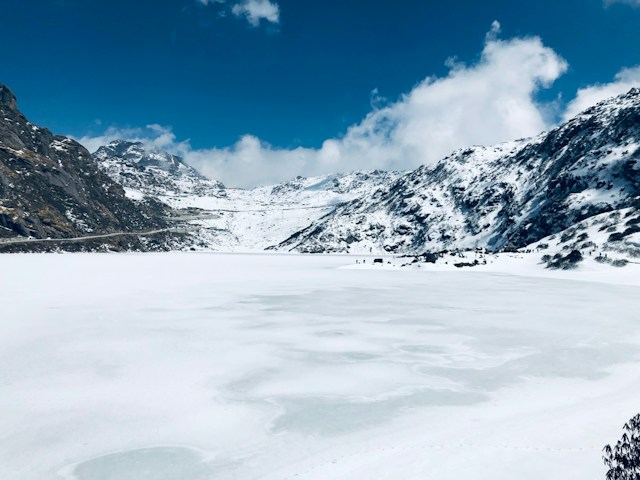
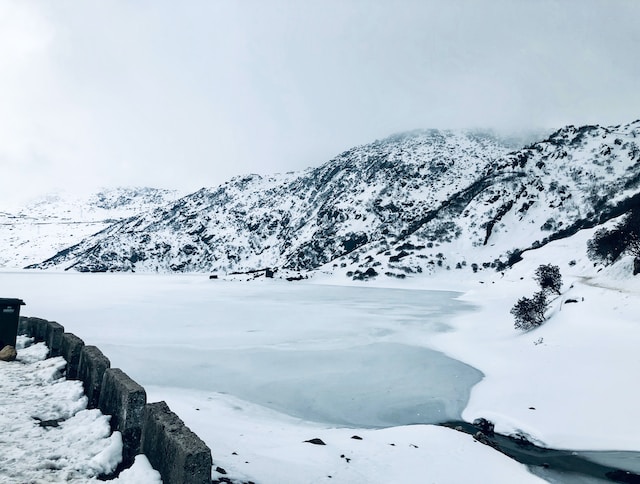
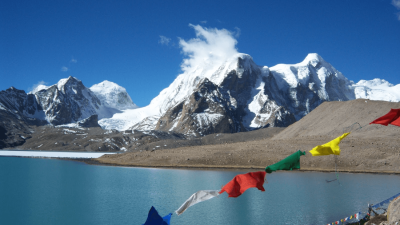
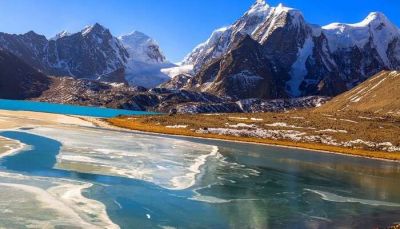
The best-known spring stop for many travellers is the hot spring near Yumthang Valley in North Sikkim. It lies a short distance from the main valley area, usually reached as part of a day trip from Lachung. The water is warm, and the setting is dramatic: alpine scenery, seasonal flowers in spring, and snow or frost in winter.
From Lachung, expect roughly 1-1.5 hours one way depending on road conditions and stops. From Gangtok, the journey to Lachung itself usually takes most of the day, so the spring is best seen as part of a 2-night North Sikkim plan rather than a quick standalone visit.
Reshi Hot Springs near Legship
Reshi Hot Springs in West Sikkim are among the more accessible mineral spring visits if you are already touring Gyalshing, Pelling or the surrounding monasteries and monasteries are already on your route. The water here is used by many travellers for a simple bath or foot soak, and the place has a more local, less commercial feel than some Himalayan tourist stops.
If you are staying around Pelling, the drive can take about 1.5-2.5 hours depending on your exact base. Roads can be narrow, so this is best done with a local driver who knows the route well.
Borong and the nearby hot springs
Borong in South Sikkim is a popular village base for travellers who want views, birding and a quieter landscape. The area is often paired with hot spring visits and is attractive because you can combine a spring stop with monasteries, nature walks and village stays.
Travel times vary by where you stay, but from Ravangla or Namchi, it is commonly a half-day round trip. For many travellers, Borong works well if they want a less hurried, more rural spring experience.
Ralong Cha Chu and other South Sikkim spring stops
South Sikkim has several spring-related localities that are often referred to by nearby villages or monasteries. Ralong Cha Chu is one such name you may hear from local drivers and homestay hosts. Facilities are usually basic, and the experience depends on the season and local upkeep.
These stops are best treated as local wellness spots rather than polished tourist complexes. If you enjoy slower travel and do not mind simple conditions, they can be memorable additions to a South Sikkim route.
What “salt and mineral springs” means in Sikkim
Travellers often use the phrase “salt and mineral springs” loosely. In practical terms, Sikkim’s springs are geothermal or mineral-rich water sources that may contain dissolved minerals and are valued locally for bathing or soaking. Some are warm, some hotter, and a few are used more for their reputed health benefits than for recreation.
You should not expect a luxury spa setup in most places. Think basic bathing areas, a natural setting and a local atmosphere. That is exactly why many travellers like them: the experience feels rooted in place rather than staged for tourists.
What to expect at the site
- Simple changing areas, if available
- Stone or concrete bathing points in some locations
- Warm water with sulphur-like or earthy smell at certain springs
- Limited facilities for food, restrooms or lockers
- Seasonal variation in water flow and usability
Best time to visit the springs
The best season depends on how you want the springs to feel. For many travellers, October to December is ideal because the air is crisp, roads are generally more reliable, and warm water feels especially pleasant in cool weather. March to May also works well, especially if you want to combine spring visits with rhododendrons and clear mountain views.
June to September is monsoon season, and while the landscape turns intensely green, landslides and delays are more likely on mountain roads. North Sikkim in particular can be affected by weather-related disruptions. Winter can be excellent for hot springs, but you should be prepared for very cold mornings, occasional snowfall in higher reaches and possible route closures.
| Season | Experience | Practical note |
|---|---|---|
| October to December | Cool weather, pleasant soaking | One of the safest and most comfortable windows |
| March to May | Clear views, moderate temperatures | Good for combining with flowers and sightseeing |
| June to September | Lush landscape, fewer crowds at times | Higher chance of road delays and landslides |
| December to February | Very cold, hot spring feels best | Check for snow-related road issues |
How to plan your route in Sikkim
The easiest way to visit these springs is to build them into a region-based itinerary. Do not try to cover North Sikkim, West Sikkim and South Sikkim springs in one rushed trip unless you have enough time. Mountain travel is slower than map apps suggest.
Sample 5-day plan
- Day 1: Arrive in Gangtok and rest
- Day 2: Gangtok local sightseeing or Rumtek side trip
- Day 3: Travel to Lachung via North Sikkim
- Day 4: Yumthang Valley and hot spring visit, return to Lachung
- Day 5: Return to Gangtok, or extend to another region
If you want a South Sikkim spring experience, replace the North Sikkim leg with Ravangla, Namchi and Borong. That route is easier if you prefer shorter drives and homestays. West Sikkim works well if Pelling, Gyalshing and nearby monasteries are already on your list.
Costs, permits and transport basics
Budgeting for a spring-focused Sikkim trip is not complicated, but you should plan for mountain transport. Shared taxis are available on some routes, but for spring visits, especially in North and South Sikkim, a private vehicle often makes more sense because it gives you flexibility and saves time.
Indicative costs may look like this: local taxi day trips can range from ?3,000-?7,000 depending on distance and vehicle type; mid-range homestays and guesthouses are often ?1,500-?4,000 per night; better hotels in Gangtok or Pelling may start around ?4,000 and go higher in peak season. Entry or local usage charges at spring sites, if applicable, are usually modest, but confirm on arrival because arrangements vary.
For some parts of Sikkim, especially North Sikkim and border-adjacent areas, permits may be required and are often arranged through registered operators. Rules can change, so check current requirements before booking. Carry valid government ID for all travellers, and keep extra photocopies or digital copies handy.
What to pack for a spring visit
Packing well makes a bigger difference here than on an urban trip. Even if you are just visiting for a few hours, mountain weather can turn cool quickly, and bathing areas are usually basic.
- Quick-dry towel and an extra set of clothes
- Sandals or water-friendly footwear with grip
- Warm layer, especially from October to March
- Small water bottle and light snacks
- Personal toiletries and tissues
- Cash in smaller notes for local use
- Power bank, since charging may be limited in remote areas
If you plan to bathe, keep expectations modest and practical. The water may be hot in one spot and lukewarm in another, and the changing area may be very simple. Carry only what you truly need.
Responsible travel and local etiquette
Sikkim’s springs are part of local life, not just a photo stop. Keep the area clean, avoid using soaps or shampoos in natural water sources unless specifically allowed, and do not block bathing space for others. If locals are already using the spring, observe first and follow the natural flow of the place.
Quiet behaviour is appreciated, especially near monasteries or village surroundings. Dress modestly while moving between places, and be respectful if local people treat the spring as a place with cultural or spiritual value. A little courtesy goes a long way in mountain communities.
Frequently Asked Questions
Are Sikkim’s mineral springs safe for everyone?
Most travellers can visit and enjoy them, but bathing in hot water may not suit people with certain medical conditions. If you have blood pressure issues, skin sensitivity, pregnancy concerns or heart-related problems, it is wise to speak to a doctor first. Also, test the water with your hand before entering because temperature can vary from one pool to another.
Which spring is easiest to visit on a first Sikkim trip?
If you are short on time, a spring near your existing itinerary is easiest. For North Sikkim trips, the Yumthang hot spring works well, while Reshi is a practical choice if you are touring West Sikkim. The easiest option is usually the one closest to where you are already staying, because mountain driving takes longer than it appears on a map.
Can I do a spring visit as a day trip from Gangtok?
Some spring visits are possible only as long day trips, but many are better done with an overnight stay. North Sikkim springs are not realistic as a simple half-day outing from Gangtok because the drive itself is long. In South or West Sikkim, a day trip may work if the spring is close to your base.
Do the springs have changing rooms and toilets?
In some locations, yes, but the facilities are usually basic and not always well maintained. Do not expect a modern spa environment. It is best to carry tissues, hand sanitiser and a spare towel, and to use facilities at your hotel before leaving if you are unsure about the site setup.
What is the ideal duration for a spring-focused Sikkim trip?
For one spring region, 4-5 days is comfortable. If you want to combine North Sikkim with either West or South Sikkim, plan for 7-8 days. That gives you enough room for road delays, weather changes and unhurried sightseeing.
Should I book through a tour operator?
If you are visiting North Sikkim or doing a multi-region route, booking through a reliable operator can save time and reduce uncertainty about transport and permits. For Gangtok-based local trips, you may also arrange a vehicle through your hotel or a known local driver. Always confirm what is included, especially fuel, parking, permits and waiting time.
Conclusion
Sikkim’s salt and mineral springs are best enjoyed as part of a slower, well-planned mountain journey. If you go in the right season, choose the right region and keep your expectations practical, these warm waters can add a very different kind of memory to your North-East trip.
If this guide helped you plan your Sikkim journey better, please share this post with someone who is planning a North-East holiday.
Disclaimer : The information provided in this blog is for general informational purposes only. While we strive to keep the content accurate and updated, TravelSetu assumes no liability for errors or omissions. If you believe any part of this blog infringes your rights or causes concern, please notify us immediately at info[at]travelsetu[dot]com so that appropriate action can be taken.