Sikkim Trekking Boot Selection
If you are planning a trek in Sikkim, the right boots will do more for your trip than most people expect. The trails here can shift from stone steps and forest roots to slushy rhododendron paths, wet grass, river crossings, and snow patches in higher reaches, so your footwear has to match the terrain, not just the itinerary. This guide will help you choose trekking boots for Sikkim with practical tips on fit, grip, ankle support, weather protection, and what works best for popular routes like Goechala, Dzongri, Green Lake, and shorter Himalayan walks.
Why Sikkim Needs More Thoughtful Boot Selection
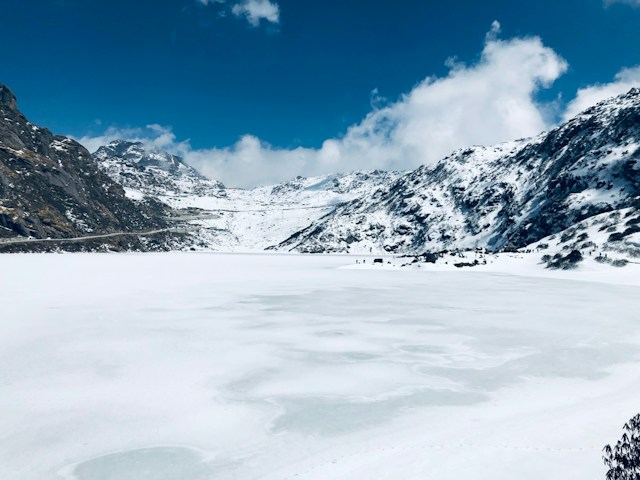
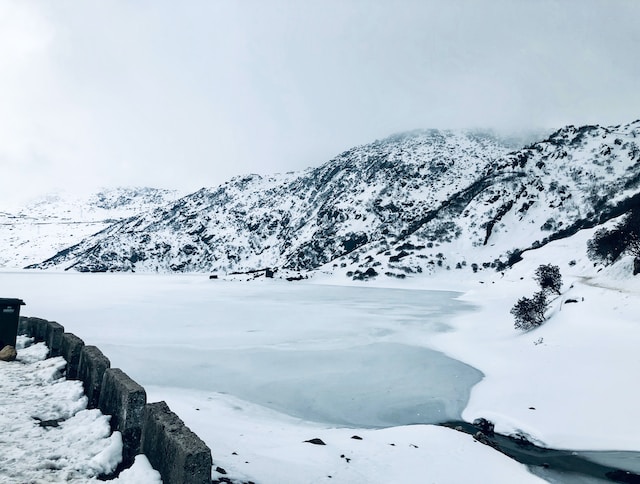
Sikkim is beautiful, but it is not a place where you can treat trekking shoes as an afterthought. In lower-altitude routes around Yuksom, Uttarey, or Ravangla, you may face damp forest trails and muddy sections after rain. On higher trails toward Dzongri, Goechala, and areas near Kanchenjunga views, mornings can be cold, the ground can be frozen, and snow or slush may linger even outside peak winter.
That means the best boot for Sikkim is usually a balance of grip, water resistance, ankle support, and comfort over long hours. A heavy mountain boot can feel unnecessary on a short day hike, but a lightweight sneaker-style shoe may leave you slipping and cold on a multi-day trek. You want footwear that feels secure on wet stone, stable on uneven trails, and comfortable enough for 6-8 hours of walking.
Understand the Trek Type Before You Buy
Boot choice should start with the route, season, and duration. Sikkim has a wide range of trekking experiences, and your footwear needs will change with each one.
| Trek type in Sikkim | Examples | Boot type that usually works |
|---|---|---|
| Short day walks | Yumthang Valley walks, local ridge trails, monastery approaches | Light trekking shoes with good grip |
| Moderate treks | Dzongri Trek, Tholung side hikes, longer forest trails | Mid-ankle trekking boots with water resistance |
| High-altitude treks | Goechala, Green Lake, Kanchenjunga-facing routes | Sturdier mid to high-cut boots, strong sole, insulation for cold months |
If your plan includes only a few hours of walking each day and mostly vehicle travel, a lighter shoe may be enough. But if you are carrying a backpack on a multi-day trek, go for a boot with more structure and ankle support. The steeper the route and the rougher the trail, the more important that support becomes.
Key Features to Look For in Sikkim Trekking Boots
1. Grip matters more than branding
Sikkim trails often have wet leaves, moss, stone steps, and loose gravel. A boot with a reliable outsole and deep lugs is more useful than a fashionable pair with a smooth sole. Try to choose a sole that feels sticky on rock and stable on mud. If the grip feels uncertain in the shop, it will be worse on a rainy trail near Yuksom or in the forest sections leading toward Dzongri.
2. Water resistance is essential
Even in pre-monsoon months, Sikkim can surprise you with rain, dew, and wet grass. Water-resistant boots are a better choice than pure mesh shoes for most treks here. For monsoon-adjacent months like May, June, September, and early October, look for boots with treated uppers or a waterproof membrane. Just remember that fully waterproof boots can be warmer and may dry slowly once soaked.
3. Mid-ankle support is often the sweet spot
For most trekkers, mid-ankle boots offer the best balance. They protect you from twists on uneven ground without feeling as rigid as heavy expedition boots. High-cut boots make sense if you are carrying a heavier pack, trekking in snow, or using crampons, but many first-time trekkers overbuy in this area.
4. Toe protection helps on rocky climbs
Sikkim trails can be rough underfoot. A reinforced toe cap protects you when you kick rocks or stumble on steps. It also helps when descending for hours, which is when your toes tend to take the most punishment. A soft front may feel comfortable in the shop, but it can turn into pain on a long downhill section.
Match Your Boots to the Season in Sikkim
Sikkim’s trekking season is shaped by rainfall, cold, and snow conditions, so the best boot for you depends heavily on when you are going.
- March to April: Good for spring treks and forest trails. Choose water-resistant boots with breathable lining, as the trails can be damp but the weather is not yet severe.
- May to June: Trails may be muddy and wet, especially before the monsoon fully sets in. Prioritise grip and water resistance.
- July to August: Trekking becomes difficult because of heavy rain in many parts of the state. If you still go, your boots must handle slippery ground and drying time carefully, though plans should be confirmed with local operators.
- September to November: One of the better trekking windows. You still need good grip and moderate warmth for higher altitudes.
- December to February: Colder conditions, snow at higher elevations, and more morning frost. Choose insulated boots or wear thermal socks with a sturdier trekking boot.
For Goechala and other higher treks, many trekkers prefer boots that can handle cold mornings in October and November. If you are trekking in winter, check whether your operator expects snow on the route, because that changes boot and sock requirements.
How to Choose the Right Fit
A good trekking boot should feel secure without squeezing your feet. In Sikkim, you will often walk uphill for long stretches and then descend on tired legs, so fit is more important than looks or price tag.
Try boots at the right time of day
Feet swell a little during the day, especially after walking. If possible, try boots in the afternoon or evening with your trekking socks on. This gives a more realistic sense of fit.
Check toe room
When you go downhill, your toes should not hit the front of the boot. You should be able to wiggle them comfortably, but not slide around. A small amount of space in front of the longest toe is useful, especially for multi-day treks where foot swelling is common.
Test the heel and ankle hold
Your heel should stay fairly locked in place. If it lifts too much, blisters are likely. Walk up and down a ramp or stairs if the store allows it. On Sikkim trails, a loose heel will become a problem fast.
Wear the socks you will actually use
Choose your boot while wearing trekking socks, not thin casual socks. Good trekking socks can cost about ?300-?900 per pair and are worth it. Merino-blend or padded synthetic socks work well for many Sikkim treks because they manage moisture and reduce friction.
Boots for Different Trekker Profiles
If you are a first-time trekker
Choose a comfortable mid-ankle trekking boot with a grippy sole and water-resistant upper. Avoid very stiff boots unless you know you need them. Your priority is comfort, not expedition-grade gear. A pair in the ?4,000-?8,000 range often gives decent options, though some reliable models cost more or less depending on brand and sales.
If you are doing a multi-day trek like Dzongri or Goechala
Look for stronger ankle support, more durable sole construction, and better protection from wet conditions. You will want a boot that can handle repeated wear over several days, with enough room for thicker socks in cold weather. Many trekkers spend around ?6,000-?12,000 for a serious pair in this category.
If you trek occasionally and want one versatile pair
Buy a boot that can handle both Himalayan trails and lighter hill walks. This is the best value for most Indian travellers who may also use the footwear in Himachal or Uttarakhand later. A versatile mid-cut boot with decent weather resistance and strong grip is usually the safest choice.
Common Mistakes to Avoid
- Choosing fashion over function: A good-looking boot that slips on wet stone is not a good trekking boot.
- Buying too stiff a boot for easy trails: If your route is mostly moderate, overbuilt boots can make walking tiring.
- Not breaking them in: Wear new boots on short walks before travelling to Sikkim. Even a few local walks can reveal rubbing points.
- Ignoring sock choice: Thin cotton socks hold moisture and can lead to blisters.
- Assuming waterproof means dry forever: Water-resistant boots help a lot, but deep slush, river crossings, and continuous rain can still get them wet.
What Else to Pack With Your Boots
Boots work best when paired with the right small accessories. A good trekking sock system can improve comfort more than upgrading to a more expensive boot.
- Trekking socks: Carry at least 2-3 pairs for a short trek, more for longer routes.
- Gaiters: Useful in slush, snow, and wet grass, especially on higher Sikkim trails.
- Quick-dry spare pair: If one pair gets soaked, you will appreciate a dry backup.
- Foot powder or anti-chafing balm: Helps in humid conditions and on long walking days.
For those buying gear in India, trekking boots in the mid-range usually start around ?3,500-?5,000, while stronger branded options can go up to ?12,000 or more. Rental options may be available through some local operators or stores near major trekking hubs, often in the range of ?200-?500 per day, but availability and quality vary, so confirm before relying on them.
How to Care for Boots During and After the Trek
Sikkim weather can be tough on footwear, so basic care goes a long way. After each trekking day, remove the insoles if possible and let the boots air out in a dry, shaded place. Avoid placing them too close to a direct heater or fire, since that can damage the glue and leather or synthetic upper.
If the boots get muddy, clean them gently after the trek and dry them fully before storing. A light waterproofing treatment before your trip can help, but test it in advance. If your boot is new, wear it on a few practice walks before coming to Sikkim so that it softens naturally and you can spot pressure points early.
Frequently Asked Questions
Do I need heavy hiking boots for Sikkim treks?
Not always. For short walks and easier trails, a good trekking shoe may be enough. For routes like Dzongri or Goechala, a sturdier mid-ankle boot is usually a better choice because of uneven terrain, rain, and cold conditions.
Are waterproof boots necessary in Sikkim?
Water-resistant boots are highly recommended for most treks in Sikkim. Trails can stay damp from rain, dew, and wet grass, especially in the forest sections. Full waterproofing is useful, but breathability should not be ignored.
Can I use running shoes for a Sikkim trek?
Running shoes are fine for sightseeing or very light walks, but they are not ideal for multi-day trekking. They often lack grip, toe protection, and ankle stability. On slippery or rocky Sikkim trails, that can become uncomfortable and unsafe.
Should I buy boots one size larger?
Not exactly larger, but you should leave enough room for trekking socks and slight foot swelling. Many trekkers prefer a little extra toe space for downhill comfort. The boot should still hold your heel securely so your foot does not slide inside.
Is it better to rent boots or buy them?
Buying is usually better if you plan to trek more than once. Rent only if you are trying trekking for the first time or travelling very light, and inspect the pair carefully for wear, smell, broken laces, and sole damage. Rental quality can vary, so confirm in advance.
When is the best time to trek in Sikkim with good boot conditions?
September to November is one of the best windows for trekking, with clearer views and manageable trail conditions. March to April is also good for spring trails, though some routes can still be wet. Always check the local forecast and your operator’s current advice before finalising plans.
If you are choosing boots for a Sikkim trek, keep one rule in mind: the right pair should feel safe, dry, and steady on long, uneven days. Focus on fit, grip, and weather protection, and you will enjoy the trail far more, from the first forest climb near Yuksom to the higher ridgelines with views of the Kanchenjunga range.
Share this post with a friend who is packing for Sikkim and trying to decide what kind of trekking boots to buy.
Disclaimer : The information provided in this blog is for general informational purposes only. While we strive to keep the content accurate and updated, TravelSetu assumes no liability for errors or omissions. If you believe any part of this blog infringes your rights or causes concern, please notify us immediately at info[at]travelsetu[dot]com so that appropriate action can be taken.