A Climate Conscious Approach to Traveling in Gangtok

North-East

A Climate Conscious Approach to Traveling in Gangtok

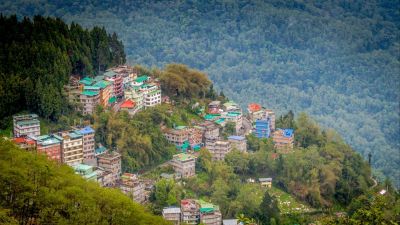
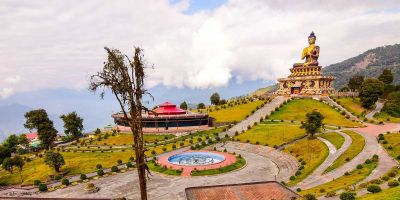
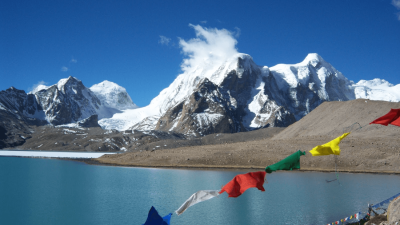
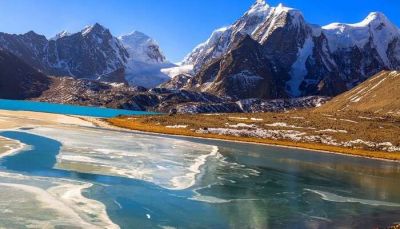
Gangtok, the capital city of Sikkim, is a picturesque hill station nestled in the lap of the Himalayas. With its breathtaking landscapes and serene atmosphere, Gangtok is a popular destination among nature lovers and adventure enthusiasts. However, in recent years, the effects of climate change have become increasingly evident in this region. To ensure the preservation of its natural beauty and promote sustainable tourism, it is crucial to adopt a climate-conscious approach to traveling in Gangtok. In this blog post, we will discuss some tips to make your trip to Gangtok more eco-friendly and help reduce your carbon footprint.

1. Opt for Sustainable Accommodation

When planning your stay in Gangtok, consider opting for eco-friendly accommodations. Look for hotels and resorts that have implemented sustainable practices such as rainwater harvesting, solar energy usage, and waste management systems. These establishments prioritize environmentally friendly practices and promote sustainable tourism.

2. Use Public Transportation

Avoid relying solely on private vehicles for transportation within Gangtok. Instead, utilize the city's public transportation system. The local buses are not only cost-effective but also help reduce the overall carbon emissions from transportation. Additionally, it offers an opportunity to interact with the local community and gain a deeper understanding of their way of life.

3. Embrace Walking and Cycling

Gangtok is a relatively small city, making it highly walkable. Take advantage of this by exploring the city on foot. Walking not only allows you to immerse yourself in the local culture but also significantly minimizes carbon emissions. Additionally, you can rent bicycles and cycle around town, enjoying the beautiful scenery at your own pace.

4. Conserve Water and Energy

Being mindful of your water and energy usage is essential for reducing your environmental impact. Simple practices like turning off lights and air conditioning when not in use, reusing towels and linens, and taking shorter showers can help conserve energy and water resources.

5. Support Local and Sustainable Food Options

Try to support local restaurants and cafes that prioritize sustainable food practices. Look for establishments that source their ingredients from local farmers and serve organic, vegetarian, or vegan food options. By choosing sustainable food, you contribute to reducing the carbon emissions associated with the food industry.

6. Respect Wildlife and Nature

When exploring the natural wonders around Gangtok, it is crucial to respect the wildlife and nature. Avoid littering and dispose of waste responsibly. Do not disturb or harm any plants, animals, or their habitats. Remember, preserving the biodiversity of this region is crucial for its long-term sustainability.

7. Support Local Communities

Interacting with the local communities and supporting their livelihoods is an excellent way to contribute to sustainable tourism. Engage in responsible shopping by purchasing locally made handicrafts, souvenirs, and products. This not only helps the local economy but also encourages the preservation of traditional crafts and skills.

8. Spread Awareness

As a responsible traveler, you can play a vital role in spreading awareness about climate change and sustainable tourism practices. Share your experiences and learnings with others through social media, blogs, or by word of mouth. Encourage others to adopt eco-friendly travel habits and choose destinations that prioritize sustainability.

In conclusion, by embracing a climate-conscious approach to traveling in Gangtok, we can contribute to the preservation of its natural beauty and promote sustainable tourism practices. From choosing eco-friendly accommodations to supporting local communities, every small effort counts. Let us all do our part to ensure that future generations can continue to enjoy the pristine beauty of Gangtok.

Remember, sustainable travel is not just a trend; it is a responsible way of exploring and cherishing our planet.

Share this blog post and encourage others to travel sustainably!

Disclaimer : The information provided in this blog is for general informational purposes only. While we strive to keep the content accurate and updated, TravelSetu assumes no liability for errors or omissions. If you believe any part of this blog infringes your rights or causes concern, please notify us immediately at info[at]travelsetu[dot]com so that appropriate action can be taken.

Related posts

Sikkim Village Commons and Land Use
If you are planning a slow, ground-level trip to Sikkim, understanding village commons and land use will change the way you see the state. Beyond monasteries and viewpoints, Sikkim’s villages are sh..
Sikkim Salt and Mineral Springs
If you are planning a Sikkim trip and want more than monasteries, lakes and mountain views, the state’s salt and mineral springs deserve a place on your list. They are not just scenic stops; many tr..
Sikkim Postal and Trade History
If you are planning a trip to the North-East and want more than scenic viewpoints and monastery visits, Sikkim has a fascinating story to tell through its postal and trade history. This article is for..
Sikkim Cantonment and Military Heritage
If you are planning a Sikkim trip and want more than monasteries and mountain views, this guide is for you. Sikkim’s military heritage is part of everyday life here, from cantonment zones around Gan..
Sikkim Clock Towers and Landmarks
If you are planning a Sikkim trip and want more than just mountain views, this guide is for you. It walks you through the clock towers and major landmarks that shape the character of the state, especi..
Sikkim Travel Community Forums
If you are planning a Sikkim trip and want advice that feels current, personal, and budget-aware, community forums can save you a lot of guesswork. This guide is for Indian travellers who want to use ..
Sikkim Guidebooks and Trail Maps
If you are planning a trip to Sikkim and want to do it properly, good guidebooks and trail maps will save you time, money and confusion. This guide is for Indian travellers who want to understand wher..
Sikkim Offline Navigation Tips
If you are planning a trip to Sikkim, offline navigation is not a nice-to-have; it is part of smart travel. Mobile signals can be patchy on mountain stretches, roads can change after rain, and even si..
Sikkim Satellite Communication Options
If you are planning a trip to Sikkim and need to stay reachable, work remotely, or travel with backup connectivity, this guide will help you make the right choice before you leave. Sikkim’s mountain..
Sikkim Power Bank and Charging
If you are planning a trip to Sikkim, one small item can make a surprisingly big difference: a reliable power bank. Between long mountain drives, patchy mobile network, cold weather that drains batter..
Sikkim Camera Gear for Mountains
If you are planning a photography trip to Sikkim, your camera bag needs to be as thoughtful as your itinerary. The mountains, monasteries, lakes, and changing weather here can test both your gear and ..
Sikkim Trekking Boot Selection
If you are planning a trek in Sikkim, the right boots will do more for your trip than most people expect. The trails here can shift from stone steps and forest roots to slushy rhododendron paths, wet ..
Sikkim Winter Clothing Guide
If you are planning a winter trip to Sikkim, packing the right clothes will matter just as much as choosing your hotels or sightseeing route. The weather can shift quickly between sunny afternoons in ..
Sikkim Altitude Preparation Guide
If you are planning a trip to Sikkim, altitude should be one of the first things on your checklist. From Gangtok at around 1,650 metres to high mountain lakes, passes, and viewpoints that can rise wel..
Sikkim Cold Weather Preparation
If you are planning a winter trip to Sikkim, a little preparation goes a long way. The state can feel magical in cold weather, but temperatures can drop quickly at higher altitudes, roads may slow dow..
Sikkim Sun Exposure at Altitude
If you are planning a Sikkim trip, sun protection needs as much attention as your hotel booking or permit check. At altitude, the UV level rises quickly, so even on cool or cloudy days you can return ..
Sikkim Insect Precautions
If you are planning a Sikkim trip, insect precautions may not be the first thing on your packing list, but they should be on it. The state’s valleys, forests, tea gardens, riverbanks, and humid lowe..
Sikkim Leech Season Advice
If you are planning a trip to Sikkim during the monsoon or the humid shoulder months, you have probably heard about leeches and wondered how serious the problem really is. This guide is for you if you..
Sikkim Seasonal Illness Precautions
If you are planning a trip to Sikkim, a little health preparation goes a long way. The state is beautiful, but its changing weather, high altitude, long road journeys and seasonal outbreaks can catch ..
Sikkim Food Hygiene Notes
If you are planning a trip to Sikkim and love trying local food, a little hygiene awareness will make your journey far more comfortable. This guide is for Indian travellers who want to enjoy momos, th..

North-East Tour Packages

View All Packages

Places to visit in Sikkim

Indian Tour Packages

International Tour Packages

Get Free Quote Now