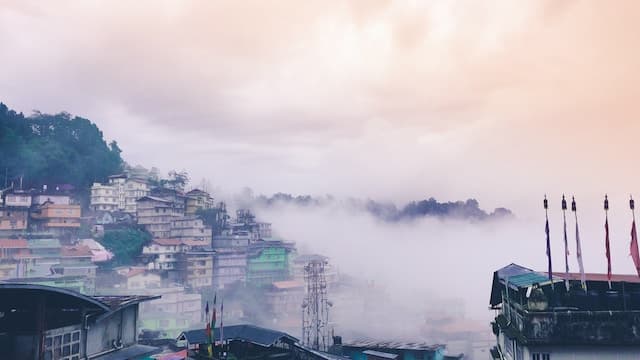
Darjeeling, the picturesque hill station nestled in the foothills of the Himalayas, is not just renowned for its breathtaking views and world-famous tea plantations. It is also a melting pot of diverse indigenous cultures, each with its unique traditions, customs, and cuisines. Exploring the culinary delights of Darjeeling is a fascinating way to immerse yourself in the rich cultural heritage of this charming town. Let's take a culinary journey through Darjeeling's indigenous cultures and explore the flavors that define this region.
The Lepchas: Guardians of Heritage
The Lepchas, the original inhabitants of Darjeeling, have a deep connection with nature and their cuisine reflects their harmonious relationship with the environment. Millet and maize are staple grains in their diet. Try "Churpi," a traditional cheese made from yak or cow's milk. It is often flavored with local spices and is a popular snack among the Lepchas.
To experience the essence of Lepcha cuisine, sample dishes like "Phrin," a fermented bamboo shoot curry, or "Gyathuk," a hearty noodle soup made with hand-rolled noodles and local vegetables. These traditional dishes carry the authentic flavors of the Lepcha community.
The Gorkhas: Warriors of Flavor
The Gorkhas, known for their bravery and martial skills, have a cuisine that reflects their robust and flavorful nature. Aromatic spices play a crucial role in Gorkha cuisine, making it a treat for the taste buds.
Momo, a popular Tibetan delicacy, has become a staple in Gorkha households. These steamed dumplings filled with minced meat or vegetables are served with a spicy tomato chutney. A bite of a well-made momo will transport you to the narrow streets of Darjeeling, where small momo carts fill the air with tantalizing aromas.
Another must-try Gorkha dish is "Sel Roti," a sweet rice bread made from fermented rice batter. It is often enjoyed as breakfast or as a snack with chai. The crispy outer layer and soft, slightly sweetened interior make it a delightful indulgence.
The Bengalis: A Gastronomic Affair
Darjeeling is home to a significant Bengali population, and their cuisine has left an indelible mark on the culinary scene in the region. Bengali cuisine is a celebration of flavors, with a perfect blend of spices and seasonal ingredients.
An integral part of Bengali cuisine is rice, and no meal is complete without a serving of steamed rice. The quintessential Bengali dish, "Shorshe Ilish," made with hilsa fish marinated in mustard sauce, is a culinary delight that must not be missed. The unique combination of flavors makes it a favorite among locals and tourists alike.
Another Bengali delicacy that has found its way to the hearts of Darjeeling's food lovers is "Mishti Doi," a sweet yogurt made by slow-cooking condensed milk and curd. This creamy and sweet dessert is the perfect ending to a sumptuous Bengali meal.
The Nepalis: Honoring Tradition
Nepali cuisine in Darjeeling is known for its simplicity and use of local ingredients. "Dal Bhat Tarkari" is a traditional Nepali meal comprising lentil soup, rice, and a variety of vegetable curries. This wholesome meal reflects the culture of simplicity and sustainability that is deeply ingrained in the Nepali way of life.
If you're an adventurous foodie, try "Gundruk," a fermented leafy green often made from radish leaves. It is loaded with nutrition and flavor, making it a popular ingredient in Nepali cuisine.
Darjeeling Tea: The Epitome of Indulgence
No visit to Darjeeling is complete without indulging in a cup of the world-famous Darjeeling tea. The hilly slopes of Darjeeling are blessed with the perfect climate and soil conditions for tea cultivation, resulting in some of the finest tea leaves in the world.
Take a tour of a tea estate and witness the meticulous process of tea production, from plucking the leaves to rolling and drying them. Savor the exquisite flavors and aromas of Darjeeling's black, green, and white teas, and immerse yourself in the serene ambiance of the tea gardens.
Conclusion
Darjeeling's cuisine is a mosaic of indigenous cultures, each contributing its unique flavors and culinary traditions. Exploring the local cuisine is not just a feast for the taste buds but also a gateway to understanding the diverse indigenous cultures that call Darjeeling home. From Lepcha delicacies to Gorkha momos, Bengali favorites to Nepali comfort food, Darjeeling's culinary landscape is a treasure trove waiting to be explored.
So, come prepared for a gastronomic adventure and unravel the secrets of Darjeeling's indigenous cultures through its irresistible cuisine.
Don't forget to share this blog post with your fellow foodies and travelers to inspire them to embark on their own culinary journey in Darjeeling!
Planning a North-East trip?
Tell us your dates and who is travelling. Up to three local travel companies send you their itinerary and price.
Get free quotesDisclaimer: The information in this blog is for general information only. We try to keep it accurate and up to date, but TravelSetu accepts no liability for errors or omissions. If you believe any part of it infringes your rights, please write to info@travelsetu.com.