The Art of Thangka Painting in Gangtok
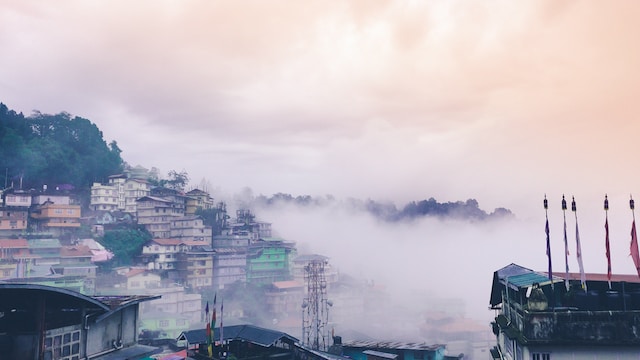
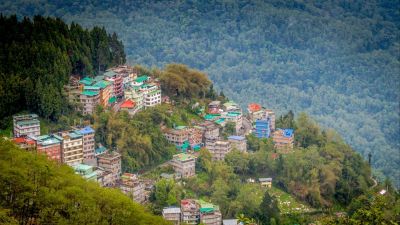
Gangtok, the capital city of the northeastern state of Sikkim in India, is known for its serene beauty, enchanting landscapes, and a rich cultural heritage. One of the most fascinating aspects of Gangtok's culture is the art of Thangka painting. These vibrant and intricate paintings have been a significant part of the region's artistic legacy for centuries.
History and Significance
The word "Thangka" translates to "something that one can unroll" in Tibetan. These paintings are usually created on cotton or silk fabric and are characterized by their intricate details, vivid colors, and spiritual symbolism. Every aspect of a Thangka painting, including the colors used, the postures of the deities, and the symbols employed, hold deep spiritual significance.
The Process of Creating Thangka Paintings
The creation of a Thangka painting is a labor-intensive and meticulous process, often requiring years of training and practice. Here is a brief overview of the steps involved:
- Selection of Theme: The artist selects a specific Buddhist deity or religious scene for the painting, based on spiritual guidance and the needs of the patrons.
- Preparation of Canvas: A canvas made of cotton or silk is stretched on a wooden frame and treated with a mixture of chalk powder and animal glue to create a smooth and durable surface.
- Sketching the Outline: The artist sketches the basic outline of the painting using charcoal or a light-colored pigment.
- Coloring: The artist starts filling in the colors using natural pigments derived from minerals, stones, and plants. Each color is assigned a specific meaning and significance. The colors are carefully layered to create depth and dimension.
- Detailing: Once the base colors are applied, the artist meticulously adds intricate details such as facial expressions, clothing patterns, and ornate decorations. This stage requires immense skill and patience.
- Finishing Touches: The painting is given final touches, including outlining the figures with ink and gold paint, adding decorative borders, and sealing the canvas with a protective varnish.
Gangtok: A Hub for Thangka Artists
Gangtok is home to a vibrant community of Thangka artists, who continue to preserve and propagate this ancient art form. You can explore various Thangka painting workshops and galleries in the city to witness the artists in action and learn about their techniques and traditions. Some famous names in the Thangka painting community in Gangtok include renowned artists like Karma Tashi and Pema T. Bhutia.
Visiting a Thangka painting studio or gallery allows you to witness the devotion and craftsmanship that goes into creating these intricate masterpieces. You can also purchase authentic Thangka paintings as souvenirs or as a means to bring home a piece of the region's rich cultural heritage.
Preserving a Rich Cultural Legacy
The art of Thangka painting serves not only as a visual delight but also as a means of preserving and passing down the region's cultural and spiritual legacy to future generations. It is through the dedication of artists and the appreciation of art enthusiasts that this ancient art form continues to thrive.
If you find yourself in Gangtok, make sure to immerse yourself in the world of Thangka painting. Whether you are an art lover or a spiritual seeker, the vibrant colors and intricate details of these paintings are sure to captivate your senses and leave you in awe of the rich cultural heritage of this enchanting city.
Conclusion
The art of Thangka painting in Gangtok is a testament to the region's deep-rooted cultural heritage and spiritual traditions. Its intricate details, vibrant colors, and spiritual symbolism make it a fascinating form of visual expression. By promoting and appreciating Thangka paintings, we contribute to the preservation of Sikkim's rich cultural legacy. So, the next time you visit Gangtok, make sure to explore the world of Thangka painting and bring home a piece of this captivating art form.
If you found this article interesting, please do share it with your friends and spread the word about the beautiful art of Thangka painting in Gangtok!
Disclaimer : The information provided in this blog is for general informational purposes only. While we strive to keep the content accurate and updated, TravelSetu assumes no liability for errors or omissions. If you believe any part of this blog infringes your rights or causes concern, please notify us immediately at info[at]travelsetu[dot]com so that appropriate action can be taken.