Wildlife Photography in Gangtok: Capturing Biodiversity in its Natural Habitat
Wildlife Photography in Gangtok: Capturing Biodiversity in its Natural Habitat
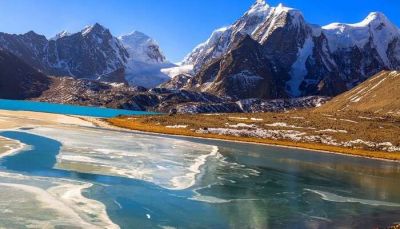
Gangtok, the capital city of the northeastern state of Sikkim, is renowned for its breathtaking natural beauty and diverse wildlife. Nestled in the Himalayan mountains, Gangtok offers a plethora of opportunities for wildlife photographers to capture the rich biodiversity of the region. From rare and exotic animal species to stunning landscapes, the city is a paradise for nature enthusiasts and photographers alike.
Exploring the Sanctuaries and National Parks
Gangtok is home to several national parks and wildlife sanctuaries that provide the perfect backdrop for wildlife photography. The Khangchendzonga National Park, a UNESCO World Heritage Site, is one such gem. Spread across an area of 849.5 square kilometers, it is home to various endangered species like the snow leopard, red panda, and Himalayan black bear. The park also boasts of over 550 species of birds, making it a paradise for birdwatchers and photographers.
Another must-visit location for wildlife enthusiasts is the Fambong Lho Wildlife Sanctuary. With its dense forests, gushing waterfalls, and diverse flora and fauna, it offers an unmatched experience for photographers. Here, you can capture stunning images of species such as the Himalayan civet, barking deer, and wild boar.
If you're keen on capturing the elusive red panda, then a visit to the Singalila National Park is a must. Located on the border of India and Nepal, this park is known for its dense forests and panoramic views of the Kanchenjunga mountain range. The red panda is just one of the many unique species that call this park home, making it a fantastic destination for wildlife photography enthusiasts.
Choosing the Right Season
When it comes to wildlife photography in Gangtok, choosing the right season is crucial. The summer months of April to June are considered the best time to visit as the weather is pleasant, and the flora is in full bloom. During this time, you can capture vibrant images of exotic flowers and butterflies in addition to the wildlife.
If you're specifically interested in bird photography, the winter months are ideal. The months of November to February attract a variety of migratory birds to the region, including the colorful fairy bluebird, fire-tailed myzornis, and the rare satyr tragopan.
Essential Photography Equipment
To ensure you capture the best possible wildlife photographs in Gangtok, it is essential to have the right equipment. Here are a few must-haves:
- Camera: Invest in a DSLR or mirrorless camera with a high resolution and a fast autofocus system.
- Telephoto Lens: A telephoto lens with a focal length of at least 300mm is crucial for capturing distant wildlife.
- Tripod: A sturdy tripod will help stabilize your camera and prevent blurring in low-light conditions.
- Bean Bag: A bean bag can serve as a makeshift support for your camera in situations where a tripod is not feasible.
- Extra Batteries and Memory Cards: Always carry extra batteries and memory cards to avoid missing out on potential shots.
Respect Wildlife and their Habitat
While capturing wildlife through your lens, it is essential to prioritize their well-being and respect their natural habitat. Here are a few tips to ensure responsible wildlife photography:
- Maintain Distance: Always maintain a safe distance from wildlife to avoid causing stress or disturbance.
- Do Not Feed the Animals: Resist the temptation to feed animals as it disrupts their natural diet and may lead to dependency on humans.
- Stay Quiet and Patient: Avoid making loud noises or sudden movements that may startle the animals. Patience is key to capturing the perfect shot.
- Do Not Alter the Habitat: Avoid removing or disturbing any natural elements in the habitat. Preserve the environment as you found it.
Conclusion
Gangtok is a captivating destination for wildlife photography, offering photographers an opportunity to capture the raw beauty of nature. From the endangered snow leopard to the enchanting red panda, the region is home to a diverse array of wildlife. The national parks and wildlife sanctuaries provide the perfect moody atmosphere for capturing stunning images. However, it is crucial to follow ethical practices and respect the wildlife and their habitat while indulging in this rewarding art form.
So, pack your camera gear, venture into the wilderness of Gangtok, and let the magic of wildlife photography ignite your senses!
Don't forget to share this blog post with other photography enthusiasts who would love to explore the wonders of wildlife photography in Gangtok!
Disclaimer : The information provided in this blog is for general informational purposes only. While we strive to keep the content accurate and updated, TravelSetu assumes no liability for errors or omissions. If you believe any part of this blog infringes your rights or causes concern, please notify us immediately at info[at]travelsetu[dot]com so that appropriate action can be taken.