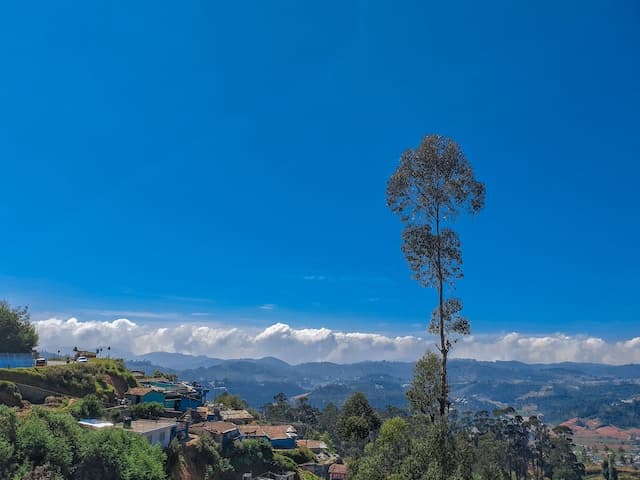
If you are planning a slower, more grounded South India trip, Alwarkurichi and the villages around Tirunelveli offer a refreshing change from crowded hill stations and rushed temple circuits. This guide is for Indian travellers who want to understand what to see, how to move around, where to stay, and how to combine village life, temples, rivers, and local food into one practical itinerary.
Why Alwarkurichi and Tirunelveli Villages Deserve a Place on Your South India Trip
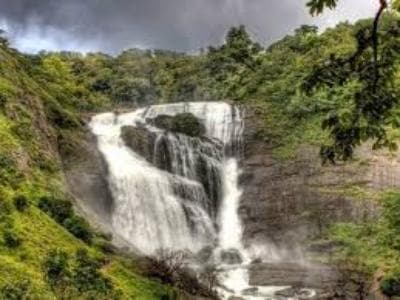
Alwarkurichi is a small town in Tirunelveli district of Tamil Nadu, and the surrounding village belt gives you a clear picture of everyday life in southern Tamil Nadu. You come here for calm roads, paddy fields, coconut groves, temple stops, river views, and a pace that lets you notice the details: a sugarcane cart, a morning prayer bell, or a lunch served on a banana leaf.
Most travellers know Tirunelveli for Nellaiappar Temple, halwa, and quick transit to Kanyakumari or the Western Ghats. But if you stay longer and step into nearby villages, you get a better feel for the region’s culture. These places are best for travellers who enjoy local history, simple stays, and a road-trip style holiday within South India.
Where Exactly Is Alwarkurichi?
Alwarkurichi lies in Tirunelveli district, in the southern part of Tamil Nadu, not far from the Agasthyamalai range and the Western Ghats side of the state. It is usually reached via Tirunelveli town, Tenkasi side routes, or through nearby smaller roads depending on your starting point. From Tirunelveli city, the drive can take roughly 1.5 to 2.5 hours depending on the exact route and traffic.
The area around Alwarkurichi is rural, so do not expect big resorts or nightlife. Instead, you will find village temples, farm landscapes, and access to local travel routes that connect you to places such as Ambasamudram, Papanasam, Courtallam, and the broader Tirunelveli countryside.
Best Time to Visit and How Many Days You Need
The best months for this part of South India are generally October to March, when the heat is more manageable. December and January can be especially pleasant for village drives and temple visits. If you are visiting during summer, plan early-morning outings and keep afternoons free, because inland Tamil Nadu can get quite warm.
For a short visit, 2 days is enough to see Alwarkurichi and one nearby stretch of Tirunelveli villages. If you want a more relaxed plan with temples, food stops, and a trip toward Courtallam or Papanasam, keep 3 to 4 days. That gives you enough time to travel slowly without turning the trip into a checklist.
How to Reach Alwarkurichi and the Tirunelveli Village Belt
The most practical base is Tirunelveli city, which is well connected by road and rail. From Chennai, Tirunelveli is a long-distance train or flight-plus-road journey, while from Madurai it is a much easier drive. If you are flying, Madurai airport is commonly used for access to this region, followed by a road journey of several hours; exact timings depend on the route and traffic.
You can hire a taxi from Tirunelveli or use your own car for flexibility. Shared buses and local buses also connect many towns and villages, but they are slower and less convenient if you want to stop frequently for temples, snack shops, or photography. A self-drive or cab-based itinerary is usually best if you are covering multiple villages in one trip.
| Route | Typical Travel Time | Best For |
|---|---|---|
| Tirunelveli city to Alwarkurichi | About 1.5-2.5 hours | Short village getaway |
| Madurai to Tirunelveli region | About 3-4.5 hours by road | Airport-based access |
| Combined village circuit from Tirunelveli | Half-day to full day | Temple, food, and rural sightseeing |
What to See Around Alwarkurichi
Village Life and Temple Stops
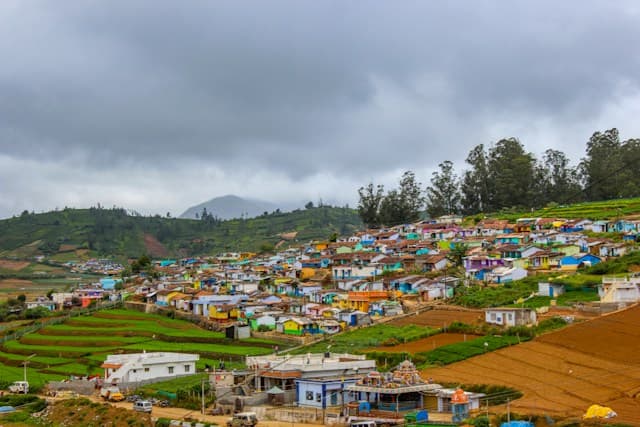
The real charm of Alwarkurichi is not one single landmark but the atmosphere around it. You may find small temples, local shrines, and quiet streets where daily life moves at an easy pace. In Tamil Nadu, village temples are often central to festivals, local identity, and social gatherings, so even a short stop can tell you a lot about the community.
If you are travelling with family, these are gentle places to explore without long walks or complicated logistics. Dress modestly, carry water, and be respectful when temple events or prayer timings are going on.
Rural Landscapes and Farm Roads
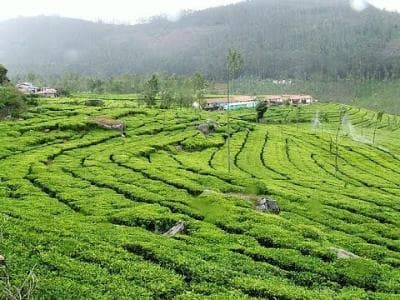
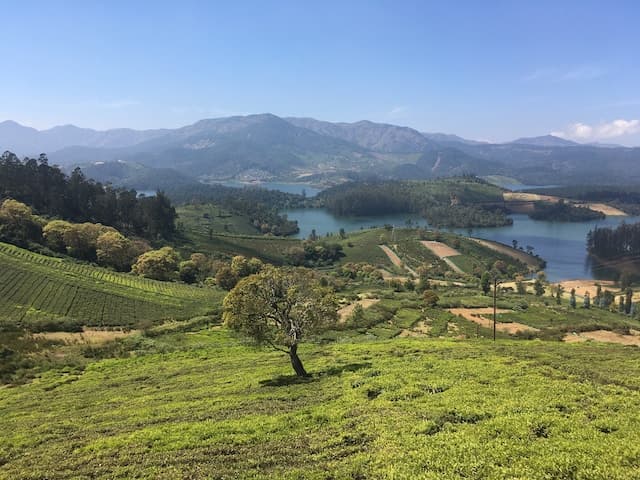
Many visitors enjoy the surrounding farmland more than any single monument. Coconut trees, irrigated fields, and canals give the landscape a distinctly southern Tamil Nadu feel. If you like photography, morning and late afternoon are the best times for soft light and less heat.
Tirunelveli Villages Worth Including in Your Plan
When people say “Tirunelveli villages,” they usually mean the small settlements and temple towns spread around the district, especially in the Ambasamudram, Papanasam, and Tenkasi direction. You do not need to cover all of them. Pick a few that fit your route and pace.
- Ambasamudram side: Good for quiet road travel, temple visits, and access to the Ghats-facing stretches.
- Papanasam side: Often combined with river and temple sightseeing, with a scenic feel in the cooler months.
- Courtallam approach villages: Useful if you are also visiting the famous falls area, especially during monsoon or post-monsoon periods.
- Village clusters near Tirunelveli city: Best if you want short half-day outings without long drives.
Because road conditions and local access can vary, it is smart to ask your hotel or driver about current conditions before you set off, especially during the monsoon. Some interior roads can get busy during market days or temple festival periods.
What to Eat in This Region
Food is one of the strongest reasons to spend time in Tirunelveli district. Tirunelveli halwa is the obvious name that most travellers know, but the local meals are just as memorable. Expect dosa, idli, pongal, sambar, rasam, curd rice, and meals served on banana leaves in many family-run places.
In village areas, lunch can be simple and satisfying: rice, vegetable curries, kuzhambu, appalam, and payasam on better days or festive occasions. Tea shops are useful for snacks such as murukku, bajji, and buns. If you enjoy local non-vegetarian food, ask around carefully for trusted places, as quality can vary from town to town.
Where to Stay: Budget, Mid-Range, and Practical Options
Accommodation around Alwarkurichi itself may be limited, so many travellers stay in Tirunelveli city, Ambasamudram, or a nearby town with better road access. If you want reliable comfort, stay in Tirunelveli and do day trips. If you prefer a rural experience, look for smaller lodges, homestays, or simple guesthouses in the surrounding area.
Indicative price ranges are usually around ?1,200-?2,500 per night for budget rooms, ?2,500-?4,500 per night for mid-range stays, and higher for newer business hotels or larger family rooms. During festival periods, rooms can fill up faster, so book early and confirm the amenities you actually need, such as parking, air-conditioning, and hot water.
A Simple 2-Day Itinerary for Alwarkurichi and Tirunelveli Villages
Day 1: Tirunelveli City and Nearby Villages
Start from Tirunelveli city with a temple visit and a hearty breakfast. After that, drive out toward one or two nearby villages or temple stops, keeping the day relaxed rather than packed. Return to your base by evening and spend time sampling local sweets or a proper Tamil meal.
Day 2: Alwarkurichi and the Rural Belt
Leave early for Alwarkurichi so you can enjoy the countryside before the heat builds up. Stop at village temples, take short breaks on the road, and use the afternoon for a slower lunch and return drive. If you have extra time, extend the route toward Ambasamudram or another nearby town based on local advice.
Travel Tips for Indian Families and Small Groups
Carry cash, because small shops and local eateries may not always support digital payments reliably. Keep drinking water, sunscreen, and a cap with you if you are travelling between April and June. For elderly travellers, avoid overloading the itinerary; one or two destinations a day is plenty in this region.
Women travellers and family groups usually find the area manageable and calm, but it is still wise to plan transport in advance, especially for evening returns. Confirm operating hours for temples, check road conditions during monsoon, and keep a local contact number handy if you are booking a cab through a hotel or travel desk.
Frequently Asked Questions
Is Alwarkurichi a good place for a short weekend trip?
Yes, if you prefer quiet travel, temple visits, and village landscapes over sightseeing-heavy holidays. A 2-day weekend works well when combined with Tirunelveli city or nearby towns. For a fuller experience, add one more day.
How far is Alwarkurichi from Tirunelveli city?
The drive is generally around 1.5 to 2.5 hours depending on the exact starting and ending points, road choice, and traffic. Since conditions can change, confirm the route before you leave. A local cab driver will usually know the most practical road that day.
Can I visit these villages without my own car?
You can, but it is less convenient. Local buses and taxis are both available in the region, yet a private cab or self-drive car makes village-hopping much easier. If you want to stop for meals, photos, and temple visits, road flexibility matters a lot.
What is the best season for sightseeing in Tirunelveli villages?
October to March is usually the most comfortable period. The weather is better for walking around temples and exploring roads without feeling exhausted by heat. Summer visits are possible, but you should plan early departures and short daytime outings.
Are there good food options near Alwarkurichi?
Yes, but the options are mostly local and simple rather than tourist-oriented. You will find tea shops, small restaurants, and places serving Tamil meals in nearby towns. For a wider choice, stay in Tirunelveli city and eat while you are on the road.
Is this area suitable for senior citizens?
Yes, as long as the itinerary is kept light. Short drives, temple stops, and relaxed meals make it a comfortable trip for many senior travellers. Choose a hotel with easy access and avoid rushing through multiple village stops in one day.
Conclusion
Alwarkurichi and the Tirunelveli village belt are ideal if you want a South India trip that feels real, unhurried, and rooted in local life. With the right planning, you can combine temples, countryside drives, simple food, and a peaceful stay into a memorable short holiday.
If this guide helped you plan better, please share the post with friends or family who are considering a South India village trip.
Planning a South-India trip?
Tell us your dates and who is travelling. Up to three local travel companies send you their itinerary and price.
Get free quotesDisclaimer: The information in this blog is for general information only. We try to keep it accurate and up to date, but TravelSetu accepts no liability for errors or omissions. If you believe any part of it infringes your rights, please write to info@travelsetu.com.