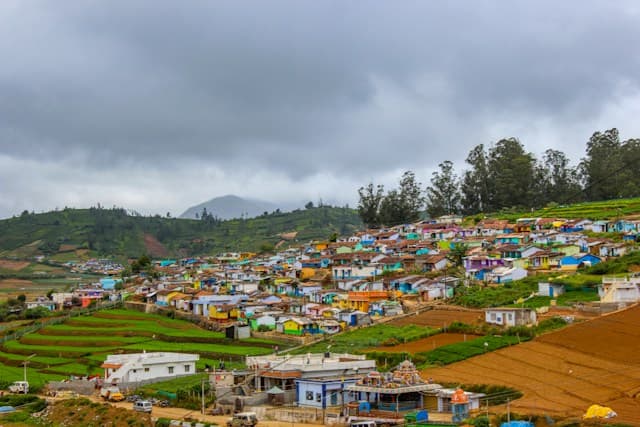
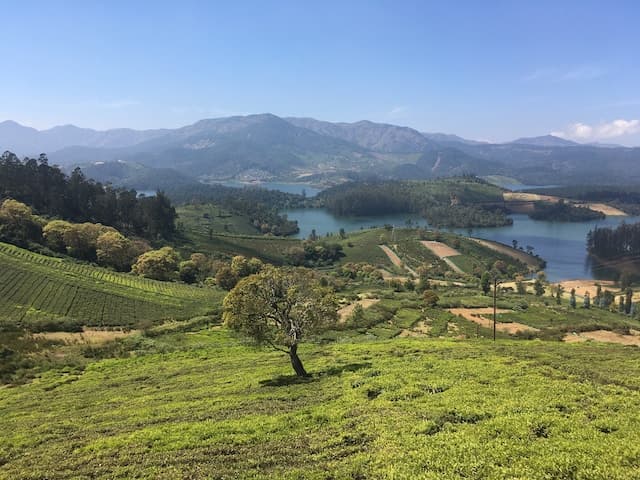
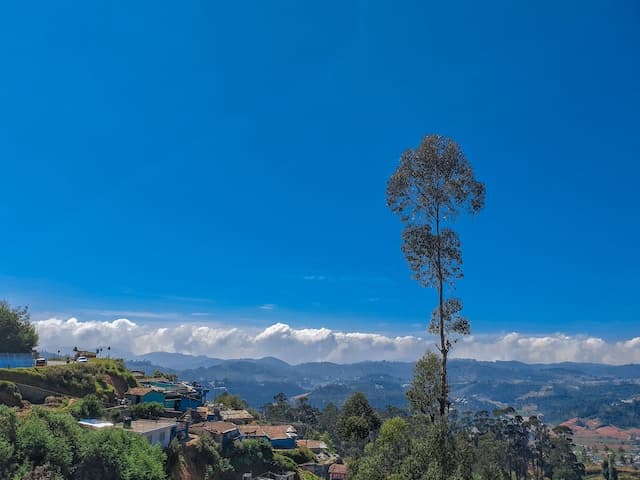
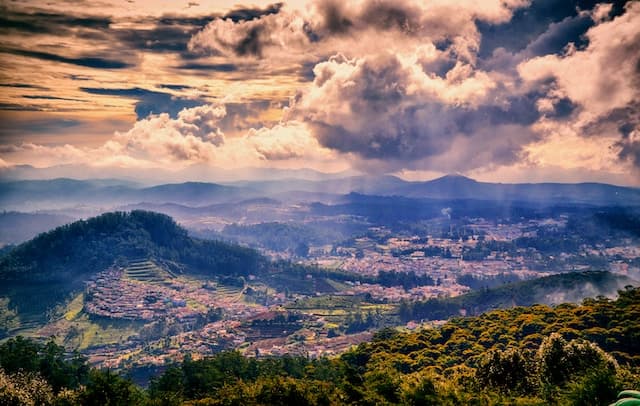
If you are planning a South India trip that mixes calm water views, hill-country air, and a bit of local history, Pechiparai and Kanyakumari Dams deserve a place on your list. These two spots give you a very different experience: one sits near the forested slopes of the Western Ghats in Kanyakumari district, and the other is linked to the coastal edge near India’s southern tip. In this guide, you will find how to plan the visit, what to expect on the ground, nearby attractions, and practical travel tips for Indian travellers.
Why Pechiparai and Kanyakumari Dams interest travellers
Most travellers come to South India for beaches, temples, tea estates, or hill stations, but dams often become the quiet surprise of the trip. Pechiparai Dam is known for its scenic reservoir, cool surroundings, and easy access from Kanyakumari district’s inland routes. Kanyakumari Dam, on the other hand, is usually discussed as part of the wider water-management and sightseeing landscape near the district headquarters and surrounding tourist circuit.
These are not high-adrenaline attractions. You visit them for slow travel, photography, roadside tea breaks, and a better feel for the landscape that supports the region’s farms, towns, and wildlife. If you like combining nature with short road trips, they fit well into a Kanyakumari holiday or a longer Tamil Nadu itinerary.
Where these dams are located
Pechiparai Dam is in Kanyakumari district of Tamil Nadu, near the foothills of the Western Ghats. It is commonly approached from Nagercoil or Kanyakumari town by road. The setting changes as you move inland: the air becomes cooler, the roads get greener, and you begin to see plantations, village markets, and more open reservoir views.
Kanyakumari Dam is associated with the broader Kanyakumari region in the far south of Tamil Nadu. Depending on your route and the local tour plan, it may be visited as part of a same-day sightseeing circuit with other places around Nagercoil, Suchindram, and the coast. Since local usage can vary and names may be used differently by residents and drivers, it is a good idea to confirm the exact stop with your hotel, taxi driver, or tour operator before you set out.
Best time to visit
The best months for visiting this part of South India are usually October to March. The weather is more comfortable, the skies are clearer, and road travel is easier for day trips. For dam views, this period often gives you pleasant light in the morning and late afternoon.
June to September brings the monsoon season, which can make the surroundings greener and more dramatic, but also slippery and less predictable. If you are going during rains, keep extra time in hand and check local road conditions. April and May can be hot in the plains, though the inland route to Pechiparai may still feel gentler than the coast.
How to reach Pechiparai and the Kanyakumari region
The nearest major rail and road hub for both places is Nagercoil, which is well connected to other parts of Tamil Nadu and Kerala. From Nagercoil, Pechiparai Dam is usually reached by road in about 1 to 1.5 hours, depending on traffic and your exact starting point. From Kanyakumari town, expect a longer drive, often around 1.5 to 2 hours for Pechiparai.
If you are arriving by train, Nagercoil Junction is the most practical base. If you are flying in, Trivandrum International Airport is generally the nearest major airport, with a road journey of roughly 2 to 3 hours to the Kanyakumari side, depending on traffic and border crossings. Taxis are the simplest option for dam visits, since public transport may not take you directly to the viewpoints.
For budget planning, a local taxi for half a day may cost around ?1,800-?3,500, while a full-day car with multiple stops can range from ?3,500-?6,500. Rates vary by season, vehicle type, and whether tolls and driver allowances are included, so confirm before booking.
What to expect at Pechiparai Dam
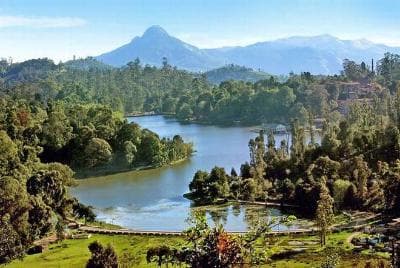
Pechiparai Dam is one of the better-known water bodies in the district for visitors who enjoy scenic drives and quiet stops. The reservoir is surrounded by hills and greenery, and the approach itself is part of the experience. You will likely spend more time looking around, taking photos, and enjoying the fresh air than doing any one fixed activity.
What you can do there
- Take a short viewpoint stop and enjoy the reservoir panorama.
- Photograph the landscape, especially in the early morning or before sunset.
- Combine the visit with a tea or snack break at a roadside eatery.
- Use it as part of a longer loop with other Kanyakumari district sightseeing points.
Do not expect heavy commercial facilities right at the site. Depending on the current local rules and weather, access near the water may be limited in some areas. That is another reason to treat it as a calm sightseeing stop rather than a half-day activity by itself.
What to expect at Kanyakumari Dam and nearby sights
In Kanyakumari, dams are usually not the headline attraction the way the Vivekananda Rock Memorial or sunset point is. Still, if your local itinerary includes a dam stop, it often adds a useful inland contrast to the coast. You get a sense of the district’s water systems and rural landscape, which many travellers miss when they move only between the beach and the memorial.
If your driver mentions a Kanyakumari Dam, ask exactly which location is included and whether it is a viewpoint, a reservoir, or a brief stop on the way to another site. Since local naming can be informal, clarity helps avoid confusion and wasted time. This is especially important if you have only one day in Kanyakumari and want to fit in the main attractions.
Suggested itinerary ideas
If you are staying in Kanyakumari town, the dam visits work best as part of a broader circuit. A short half-day plan can include an inland drive to Pechiparai, a relaxed lunch, and then a return through Nagercoil or nearby heritage stops. A full day gives you more breathing room for multiple stops without feeling rushed.
1-day plan from Kanyakumari
- Leave Kanyakumari town early, around 7:00 to 8:00 a.m.
- Drive to Pechiparai Dam and spend time at the viewpoint.
- Have breakfast or tea in the Nagercoil side or en route.
- Return with an optional stop at Suchindram Temple or a local market.
This plan works well if you want a quiet scenic outing without giving up your beach sunset in Kanyakumari the same evening.
2-day relaxed plan
- Day 1: Arrive in Nagercoil or Kanyakumari, then do local sightseeing.
- Day 2: Take the inland dam drive in the morning, then visit nearby waterfalls, estates, or heritage spots if time allows.
A two-day spread is better if you are travelling with parents, children, or older family members. It reduces road fatigue and gives you room for weather delays.
Nearby places you can combine with the dams
The Kanyakumari region works especially well for mixed itineraries because distances are manageable. You can combine dam visits with temples, coastal viewpoints, and town markets. That gives your trip more variety than a single-location visit.
- Kanyakumari town for the Vivekananda Rock Memorial, Thiruvalluvar Statue, and the seafront.
- Suchindram for the famous temple and traditional architecture.
- Nagercoil for food, shopping, and as a practical base.
- Padmanabhapuram Palace if you want history and wooden heritage architecture.
- Small waterfalls and plantation routes in the inland belt, depending on season and road access.
If you have your own vehicle, the district becomes easier to explore. If not, a local cab for the day is usually the most comfortable option, especially if you want to avoid changing buses and asking for directions in remote areas.
Food, rest stops, and local comforts
Do not expect restaurant-style facilities right at the dam sites. In most cases, you will get better food options in Nagercoil, Kanyakumari town, or along the main road. South Indian breakfast is the safest and easiest choice for a road trip day: idli, dosa, pongal, vada, and filter coffee are widely available.
For a simple meal budget, many travellers spend around ?150-?350 per person at local eateries, while cleaner sit-down meals may come closer to ?300-?600. Carry drinking water, especially if you plan to stop for photographs in the sun. If you are travelling with children or elderly family members, plan restroom breaks in town rather than assuming facilities at the dam.
Practical tips for a smooth visit
These dam visits are easy to enjoy if you prepare well. The biggest mistake is treating them like major developed tourist attractions and arriving without a plan. A little advance thinking makes the day much more pleasant.
- Start early to avoid heat and to get better light for photos.
- Carry cash for small purchases, parking, tea, and snacks.
- Wear comfortable footwear with grip, especially during or after rain.
- Keep a light rain jacket from June to September.
- Check local permission rules and opening hours before you go, since access can change.
- Use a private car or taxi if you want flexibility with stops.
If you are shooting photos, morning light is usually better than noon. The water and hills look softer and less washed out, and the roads are also less crowded. In the monsoon season, keep an eye on the weather forecast and avoid standing too close to slippery edges.
Where to stay
For most travellers, the best base is either Kanyakumari town or Nagercoil. Kanyakumari is ideal if you want sea views, sunrise and sunset access, and a more holiday-like atmosphere. Nagercoil is better if you want easier road links, more practical hotels, and a quieter overnight stay before heading inland to Pechiparai.
Hotel prices in these areas can range from ?1,200-?2,500 per night for budget stays, ?2,500-?5,000 for mid-range rooms, and higher for premium seafront or resort-style properties. Prices change with season, weekends, and festival dates, so it helps to book early if you are travelling in December, January, or long holiday weekends.
Frequently Asked Questions
Are Pechiparai and Kanyakumari Dams good for a family trip?
Yes, they can work well for families who enjoy calm scenic outings. The experience is more about the drive, the views, and short stops than about intense sightseeing, so it suits mixed-age groups. Just plan your food and restroom breaks in advance.
How much time should I keep for Pechiparai Dam?
A straightforward visit usually takes about 1 to 2 hours, including the drive from your base if you are nearby. If you combine it with other places in the district, keep half a day or more. That gives you enough flexibility for traffic, photos, and food stops.
Is public transport enough for visiting these dams?
Public transport may take you to the general area, but it is usually not the easiest option for the dam itself. A taxi, private cab, or self-drive vehicle is more convenient if you want to stop at viewpoints and nearby places. Confirm local bus availability with your hotel if you want to try a bus-based plan.
What is the best season for photography?
October to March is generally the best period for clear skies and comfortable conditions. Early mornings and late afternoons are especially good for softer light. During the monsoon, the scenery is greener, but rain and fog can make visibility unpredictable.
Can I visit both dams on the same trip?
Yes, you can include both if your itinerary is well planned and you are based in Nagercoil or Kanyakumari. Since local naming and access can vary, verify the exact route and stops with your driver or tour operator. This avoids confusion and helps you use your time well.
Are these places suitable for a short weekend from Kerala or Tamil Nadu?
Yes, especially if you are coming from Thiruvananthapuram, Nagercoil, or nearby southern Tamil Nadu towns. They fit neatly into a 2-day or 3-day break that also includes Kanyakumari’s major sights. If you want a relaxed pace, keep one day for the coast and one for inland exploration.
Conclusion
Pechiparai and Kanyakumari Dams are not loud, crowded attractions, and that is exactly their charm. They suit travellers who like slow drives, open water views, and a fuller picture of South India beyond the usual beach-and-temple circuit. If you plan them well, they can turn a simple Kanyakumari trip into a more grounded and memorable journey.
If this guide helped you plan your South India trip, share the post with someone who loves scenic road journeys and quiet places.
Planning a South-India trip?
Tell us your dates and who is travelling. Up to three local travel companies send you their itinerary and price.
Get free quotesDisclaimer: The information in this blog is for general information only. We try to keep it accurate and up to date, but TravelSetu accepts no liability for errors or omissions. If you believe any part of it infringes your rights, please write to info@travelsetu.com.