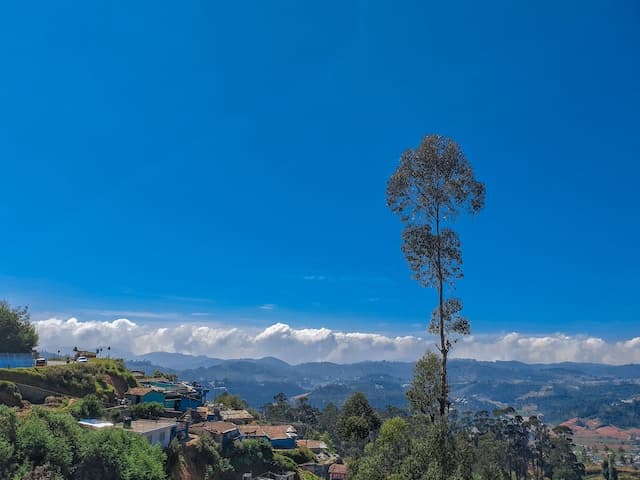
If you are planning a South India trip and want one place that gives you history, architecture, local craft, and a slow, unhurried walk through royal Kerala culture, Padmanabhapuram Palace deserves a place on your itinerary. This guide is for travellers who want practical details: how to reach it, how much time to keep aside, what to see inside, and how to combine it with nearby places without turning the day into a rush.
Why Padmanabhapuram Palace is worth your time
Padmanabhapuram Palace is one of the finest surviving wooden palace complexes in South India. Though it lies in present-day Tamil Nadu, it was the seat of the Travancore kings and reflects Kerala-style architecture, timber craftsmanship, and a courtly way of life that is increasingly rare to see intact. If you enjoy heritage sites, this is not just another palace stop; it is a place where ceilings, murals, carved beams, and narrow corridors tell you how a royal household actually functioned.
The palace is especially good for travellers who like calm, well-preserved sites over crowded attractions. You move through halls, passageways, a council chamber, and inner courtyards at an easy pace, and you get a real sense of scale without feeling overwhelmed. For Indian travellers planning a South India road trip, it also fits neatly with Kanyakumari, Thuckalay, and the backwaters and hill routes of southern Kerala.
Where Padmanabhapuram Palace is located and how to reach it
The palace is in Padmanabhapuram town, near Thuckalay in Kanyakumari district, Tamil Nadu, around 50 km from Kanyakumari town and roughly 15 km from Nagercoil. It sits close to the Kerala-Tamil Nadu border, so many travellers combine it with a trip to Kanyakumari, Trivandrum, or the southern temple circuit. Drive times vary with traffic, but from Nagercoil you can usually reach it in about 30-40 minutes, and from Kanyakumari in around 1.5 hours.
By train, road, or air
The nearest major railheads are Nagercoil and Trivandrum, with Nagercoil being the more practical starting point if you are already in Tamil Nadu. If you are flying in, Trivandrum International Airport is the nearest convenient airport, and it is usually the best option for travellers coming from other Indian cities. From the airport, expect a road journey of roughly 2.5 to 3.5 hours depending on where you start and the traffic conditions on the route.
If you are self-driving, the route is straightforward and scenic in parts, especially if you are combining the palace with coastal or hill viewpoints. Local taxis, private cabs, and auto-rickshaws are available from nearby towns, though for a full day with multiple stops, a hired cab is more comfortable.
What to see inside the palace complex
Padmanabhapuram Palace is not a single building but a complex of halls, courtyards, and residential spaces. Keep at least 1.5 to 2.5 hours for a visit if you want to walk slowly and read the details instead of rushing through. The interiors are deliberately modest compared with some other royal residences in India, but the craftsmanship is exceptional.
The Council Chamber and carved interiors
One of the most memorable spaces is the royal council chamber, where the carved wooden pillars, high roof structure, and restraint in decoration create a quiet, powerful atmosphere. The detailing here is the kind that rewards close attention: the joinery, the polished wood, and the spatial planning all speak of skilled traditional craftsmanship. If you are interested in architecture, this is where you will spend more time than you expect.
The staircase, murals, and royal living spaces
The palace is known for its traditional wooden staircase and painted surfaces in several sections. Some rooms display murals and old decorative elements that give you a glimpse of how Travancore royalty lived and received guests. There are spaces used for storage, administration, and ceremonial functions, which helps the visit feel more complete than a simple look at a throne room would.
The palace grounds and nearby temple connection
The palace complex is historically tied to the Sree Padmanabhaswamy tradition, and that connection is important when you understand the Travancore kingdom as a whole. The surrounding setting is peaceful and green, and the architecture sits comfortably within its landscape rather than overpowering it. This is one reason visitors often describe the experience as measured and atmospheric rather than flashy.
Best time to visit and what the weather means for your trip
For most travellers, the best time to visit Padmanabhapuram Palace is from October to March, when the weather is more manageable for walking around heritage sites in southern Tamil Nadu. Days are generally pleasant in this period, though it can still be warm by midday, so morning or late afternoon visits are preferable. If you are planning a South India holiday around the winter school break or year-end travel, this site fits well into a broader itinerary.
April to June can be hot and tiring, especially if you are touring multiple outdoor places in the same day. The monsoon months can bring heavy rain in the region, which may make travel slower, though the palace itself remains visitable depending on local conditions. Because timings and access rules may change seasonally, confirm opening hours before setting out.
Practical visitor tips: tickets, timings, and dress code
Entry fees are usually modest for Indian visitors, often in the range of ?20-?50 per person, while camera or video charges may apply separately and can change over time. Timings are commonly in the daytime, often around late morning to late afternoon, but you should verify the current schedule before your trip because heritage site timings can change due to maintenance, holidays, or government notifications. Carry cash as a backup, since smaller ticket counters sometimes have limited digital payment options.
| What to know | Indicative details |
|---|---|
| Ideal duration | 1.5-2.5 hours |
| Best season | October to March |
| Entry fee | ?20-?50 for Indian visitors, indicative |
| Nearest base | Nagercoil or Kanyakumari |
| Good for | Heritage lovers, architecture fans, slow travellers |
Wear comfortable footwear because you will be walking on uneven surfaces and through several connected spaces. Modest, respectful clothing is a good idea since this is a heritage and culturally significant site. Inside the palace, speak softly and avoid touching carved wood, murals, or fragile surfaces, as preservation is a serious concern.
How to plan a day trip from nearby places
Padmanabhapuram Palace works well as a half-day stop. If you are staying in Nagercoil, you can leave after breakfast, reach the palace by late morning, spend around two hours there, and still have time for lunch and another nearby sight. From Kanyakumari, it makes a useful inland addition if you want a break from coastal viewpoints and temples.
Easy combinations with nearby attractions
- From Kanyakumari: Pair the palace with sunrise or sunset at the coast, then return by road in the same day.
- From Nagercoil: Add Suchindram Temple or a local market visit for a more rounded heritage day.
- From Trivandrum: Use it as a border-region detour if you are already travelling toward the Tamil Nadu coast.
- For longer itineraries: Combine it with a southern Kerala circuit that includes Kovalam, Trivandrum, and the backwaters.
If you are booking a cab for the day, ask for waiting charges upfront. For a local sightseeing car in this region, a realistic range is often ?3,000-?6,500 for a full day depending on vehicle type, distance, and season. Shared transport is possible for some travellers, but private transport saves time and lets you control the pace.
Where to eat and stay nearby
Food options around Padmanabhapuram Palace are simple rather than fancy. It is better to eat in Nagercoil, Thuckalay, or Kanyakumari before or after the visit, where you will find South Indian meals, fish curries, tea shops, and vegetarian restaurants at everyday prices. Budget around ?150-?300 per person for a basic meal, and more if you want a fuller seafood lunch in a better-known restaurant.
For stay options, Nagercoil and Kanyakumari offer the widest range. You can find budget lodges around ?800-?1,500 per night, standard hotels around ?2,000-?4,000 per night, and better sea-facing or business-class options at higher rates depending on the season. If your trip is short, staying in Kanyakumari is convenient because you can combine multiple sights; if you prefer easier road access and less traffic, Nagercoil is often the more practical base.
Frequently Asked Questions
How much time do I need at Padmanabhapuram Palace?
Most visitors need about 1.5 to 2.5 hours. If you enjoy architecture, murals, and historical details, keep a little more time so you do not have to hurry through the rooms and courtyards. Add extra time if you are travelling with children or a larger group.
Is Padmanabhapuram Palace suitable for families?
Yes, it is a good family stop if everyone is comfortable walking and following site rules. Children may enjoy the wooden halls and old-world feel, though you may need to keep them close because the complex has several connected areas. The pace is relaxed, which makes it easier for older travellers too.
Can I visit Padmanabhapuram Palace and Kanyakumari on the same day?
Yes, many travellers do. Start early, spend a couple of hours at the palace, and then head to Kanyakumari for lunch and sunset viewing. The road journey is manageable, but you should still leave buffer time for traffic and stops.
Are cameras allowed inside the palace?
Camera rules can change, and some sections may have separate charges or restrictions. Before entering, check the current notice at the ticket counter so you do not face surprises. If photography is allowed, avoid flash in areas with murals or delicate interiors.
What makes this palace different from other heritage sites in South India?
Its strength lies in its authenticity and craftsmanship. Unlike larger, more grandiose royal buildings, this palace shows you a timber-based Kerala architectural style in a remarkably preserved form. It feels intimate, historically rich, and highly specific to the Travancore story.
Is there an ideal itinerary for first-time visitors to South India?
If you are on your first South India trip, you can include Padmanabhapuram Palace as part of a coastal heritage route with Trivandrum, Kanyakumari, and Nagercoil. This gives you a mix of temples, sea views, royal history, and local food without overloading the trip. It works especially well for travellers who want culture rather than just beaches.
Conclusion
Padmanabhapuram Palace is one of those places that stays with you because it is calm, detailed, and historically grounded. If your South India plan includes Kanyakumari or southern Kerala, set aside half a day for it, travel in the cooler months if possible, and go with enough curiosity to notice the woodwork, layout, and old-world atmosphere.
If you found this Padmanabhapuram Palace guide useful, share the post with someone planning a South India trip.
Planning a South-India trip?
Tell us your dates and who is travelling. Up to three local travel companies send you their itinerary and price.
Get free quotesDisclaimer: The information in this blog is for general information only. We try to keep it accurate and up to date, but TravelSetu accepts no liability for errors or omissions. If you believe any part of it infringes your rights, please write to info@travelsetu.com.