If you are planning a temple-focused trip in South India, the Kasi Viswanathar Temple in Tenkasi deserves a place on your itinerary. This guide is written for travellers who want practical help: when to go, how to reach, what to expect inside the temple town, and how to combine the visit with nearby spots in Tamil Nadu and south-western Kerala.
Tenkasi is not just another temple town. It is a comfortable base for exploring the Western Ghats side of Tamil Nadu, with a famous Shiva temple at its centre, steady road connectivity, simple food options, and easy access to places like Courtallam, Papanasam, and Tirunelveli. If you want a pilgrimage with a relaxed travel plan, this article will help you build one without guesswork.
Why Tenkasi Kasi Viswanathar Temple matters
The Tenkasi Kasi Viswanathar Temple is one of the most important Shiva temples in southern Tamil Nadu. Dedicated to Lord Shiva as Kasi Viswanathar, it draws devotees from across the region, especially those who want to combine spiritual travel with a short leisure break in the hills and waterfalls nearby. The temple town of Tenkasi itself grew around this shrine, and that gives the area a calm, devotional atmosphere throughout the day.
For many visitors, the temple is appealing because it is manageable. You do not need a long, complicated pilgrimage route to reach it. Tenkasi is well connected by road and rail, and many travellers come here on a one-day temple circuit or a 2-day trip that includes Courtallam. If you prefer organised, practical travel over rushed sightseeing, this is a good destination.
Temple history and spiritual significance
The temple is associated with the larger Shaivite tradition of Tamil Nadu, where temple architecture, ritual practice, and local faith have been preserved for centuries. The name “Tenkasi” is commonly understood as “Kasi of the South,” reflecting the belief that worship here carries the same spiritual merit as worship at Varanasi for devotees of Shiva. That idea is one reason the temple has remained deeply respected in the region.
Like many historic temples in Tamil Nadu, the temple is more than a place for prayer. It is also a living cultural site where daily pujas, festival processions, and traditional temple routines continue much as they have for generations. When you visit, you are stepping into a space where local life and devotion are closely linked.
What stands out for first-time visitors
First-time visitors usually notice the towering gopuram, the busy but orderly darshan queues, and the strong presence of temple ritual. Compared with more tourist-heavy religious sites, Tenkasi feels grounded and local. People come here to pray, perform family vows, and spend a short time in quiet reflection before moving on to nearby destinations.
How to reach Tenkasi
Tenkasi is located in Tamil Nadu near the border with Kerala, and most travellers arrive by road or rail. The town is around 55-60 km from Tirunelveli by road, and the drive usually takes about 1.5 to 2 hours depending on traffic and road conditions. From Madurai, the journey is longer, roughly 150-170 km, and can take about 3.5 to 4.5 hours by road.
If you are coming by train, Tenkasi has a railway station, and many visitors also use the nearby rail hub at Tirunelveli before continuing by taxi or bus. Bus services from Tirunelveli, Madurai, Rajapalayam, and adjoining towns are common, though timings can change with season and demand. If you are planning around festival days or weekends, it is wise to check transport availability in advance.
| Starting point | Approx. distance | Typical travel time | Best mode |
|---|---|---|---|
| Tirunelveli | 55-60 km | 1.5-2 hours | Taxi, bus, self-drive |
| Madurai | 150-170 km | 3.5-4.5 hours | Taxi, bus, train + road transfer |
| Rajapalayam | 45-55 km | 1-1.5 hours | Taxi, bus |
| Thiruvananthapuram | 170-190 km | 5-6.5 hours | Road trip or rail connection |
For most Indian travellers, a taxi from Tirunelveli or Madurai is the easiest option if you want a smooth temple visit and are travelling with elders or children. Budget-wise, local day cabs in this region may fall in the range of ?2,500-?5,500 depending on distance, vehicle type, and waiting time. Confirm current rates before booking.
Best time to visit and what the weather feels like
The most comfortable months to visit Tenkasi are usually from October to February, when temperatures are relatively pleasant for temple visits and local sightseeing. March to June can feel hot during the day, with afternoons becoming tiring if you plan to walk around town. The monsoon season, especially from June to September, can bring helpful greenery but also occasional heavy rain.
If you enjoy temple festivals and more active local energy, you may want to check the annual festival calendar before planning. On such days, the temple atmosphere is livelier, but crowds can be much larger than usual. For a quieter darshan, early morning on a weekday is often the best choice.
Good timing for darshan
Morning hours are typically more comfortable, especially if you want to avoid heat and manage your visit before moving on to Courtallam or another nearby stop. Evening visits can also be pleasant, particularly after sunset, when the town feels calmer. As schedules can change with special pujas and festivals, confirm temple timings locally before you go.
What to expect inside the temple
When you enter the temple, expect a traditional South Indian temple experience rather than a tourist-oriented one. Dress modestly, remove footwear before entering, and be prepared for queues during busy hours. Devotees usually move patiently through the darshan line, and the rhythm of worship is shaped by local customs, priests, and the day’s ritual schedule.
The sanctum, mandapams, and gopuram together create the classical temple setting visitors look for in Tamil Nadu. The architecture may not feel flashy, but it has the dignity and symmetry that make old Dravidian temples so memorable. If you enjoy photography, focus on external temple views and the surrounding streets, and always respect any no-photo zones or temple staff instructions.
Simple etiquette to keep in mind
- Wear clothing that covers shoulders and knees where possible.
- Carry some cash for offerings, prasadam, and small purchases.
- Keep your phone silent during darshan.
- Follow queue discipline, especially during festivals and weekends.
- Ask before taking photos, as temple rules may vary in different areas.
Nearby places to add to your trip
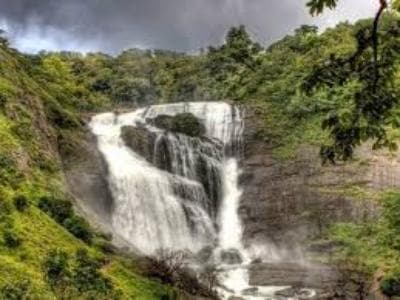
The biggest advantage of visiting the Tenkasi Kasi Viswanathar Temple is that you can easily add nearby attractions without turning the trip into a long road journey. The most popular add-on is Courtallam, also called Kutralam, which is famous for seasonal waterfalls and a relaxed holiday feel. It is one of the easiest combinations for a 1-night or 2-night trip.
If you have more time, Papanasam and the Western Ghats-facing stretches around the area offer scenic drives and a quieter atmosphere. Tirunelveli is another practical stop if you want a proper meal, rail connection, or a second temple visit. For travellers who want a slightly longer itinerary, the route can also connect to Rajapalayam or even the southern Kerala side, depending on where you are coming from.
Suggested short itinerary
- Arrive in Tenkasi by morning or early afternoon.
- Visit Kasi Viswanathar Temple for darshan.
- Have lunch in town, then continue to Courtallam if you are staying overnight.
- Return the next morning for another temple visit or a calm breakfast before departure.
This kind of plan works especially well for families and senior travellers because it avoids too much road fatigue. You can also stretch the trip into 3 days if you want to include Tirunelveli or a slower hill-side circuit.
Food, stay, and budget tips
Tenkasi offers simple Tamil meals, tiffin centres, and small hotels that suit pilgrims and road travellers. Expect dosa, idli, pongal, meals, and tea shops rather than large restaurant variety. For many visitors, a clean vegetarian meal after darshan is enough, and the town generally caters well to that need.
Accommodation ranges from budget lodges to mid-range hotels, with typical prices around ?900-?1,800 per night for basic stays and ?2,000-?4,000 per night for more comfortable options. During peak temple dates, room availability can tighten, so booking ahead is sensible. If you want to stay near Courtallam instead, factor in that the area may be busier during the waterfall season.
A realistic day trip budget for one person, excluding long-distance travel, can look like this: food ?300-?700, local transport ?300-?1,200, temple expenses and offerings as per your preference, and stay costs if you are not returning the same day. If you are travelling as a family, hiring one taxi for the day may actually be simpler than juggling multiple buses and autos.
Frequently Asked Questions
How much time do I need for Tenkasi Kasi Viswanathar Temple?
A simple darshan can take anywhere from 30 minutes to 2 hours depending on crowd levels and festival days. If you are pairing it with nearby places like Courtallam, keep at least half a day, and ideally one full day. A 1-night stay is comfortable if you want a relaxed pace.
Is Tenkasi good for a family pilgrimage?
Yes, it works well for families because the town is easy to navigate and the temple visit can be planned without too much physical strain. Elders usually find it manageable if you arrange local transport and avoid the hottest hours of the day. It is also convenient for a combined devotional and leisure trip.
Can I visit Courtallam and the temple on the same trip?
Absolutely. Many travellers do the temple in the morning and Courtallam in the afternoon or the next day. If you are visiting during the rainy months or waterfall season, allow extra time for road traffic and crowd movement.
Are there decent transport options within Tenkasi?
Yes, local autos and taxis are usually available, and buses connect the town to nearby destinations. Still, prices and availability can vary, especially during weekends and festival periods. If you want a smoother experience, pre-arranging a cab is a good idea.
What should I wear to the temple?
Go for modest, comfortable clothing that respects temple customs. Cotton wear is ideal because Tenkasi can get warm, especially outside the winter months. Carrying a light shawl or dupatta can be useful for extra coverage if needed.
Is the temple crowded on special days?
Yes, like most important Shiva temples in Tamil Nadu, crowd levels rise during festivals, puja days, and weekends. Morning and evening darshan can be particularly busy on such days. If you want a quieter experience, weekdays outside festival periods are better.
Conclusion
The Tenkasi Kasi Viswanathar Temple is a rewarding stop for anyone planning a South India pilgrimage or a short devotional road trip. It offers a combination of spiritual depth, practical access, and nearby sightseeing that makes trip planning simple and satisfying. If you build your itinerary carefully, you can enjoy the temple, local food, and a refreshing visit to Courtallam or Tirunelveli without rushing.
If this guide helped you plan your trip, please share the post with fellow travellers who are looking for a well-organised temple visit in South India.
Planning a South-India trip?
Tell us your dates and who is travelling. Up to three local travel companies send you their itinerary and price.
Get free quotesDisclaimer: The information in this blog is for general information only. We try to keep it accurate and up to date, but TravelSetu accepts no liability for errors or omissions. If you believe any part of it infringes your rights, please write to info@travelsetu.com.