If you are planning a relaxed South India trip that mixes river scenery, old temples, local food, and a slower pace of life, Cheranmahadevi and the Tamirabarani belt deserve a place on your list. This guide is for travellers who want to know what to do, when to go, how to get around, and how to make the most of a short break in Tamil Nadu without rushing from one landmark to another.
Why Cheranmahadevi and the Tamirabarani River matter
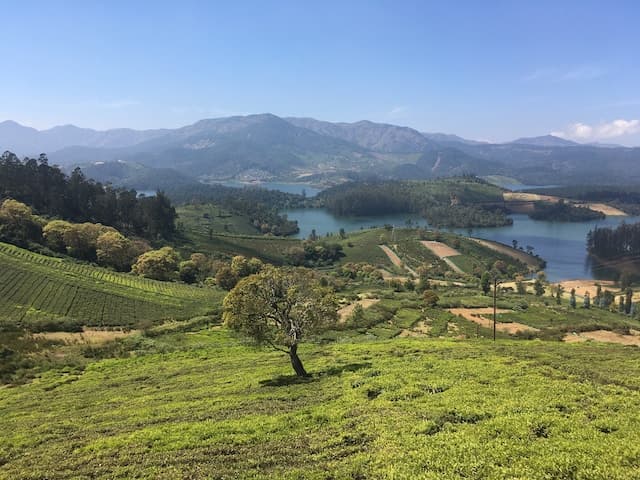
Cheranmahadevi is a small town in Tirunelveli district, and its charm comes from its location on the banks of the Tamirabarani, one of Tamil Nadu’s most important rivers. For travellers, this is not just about one town; it is about a river corridor that connects heritage temples, paddy fields, bathing ghats, village life, and nearby pilgrimage centres like Tirunelveli, Papanasam, and Ambasamudram.
The Tamirabarani is especially meaningful for South India travellers because it remains one of the few perennial rivers in the state. That means you can expect water flow in most months, though the character of the river changes by season. In monsoon months, it feels fuller and greener; in drier months, it becomes calmer and more suited for leisurely temple visits and riverside walks.
What to see in and around Cheranmahadevi
Temple-town atmosphere
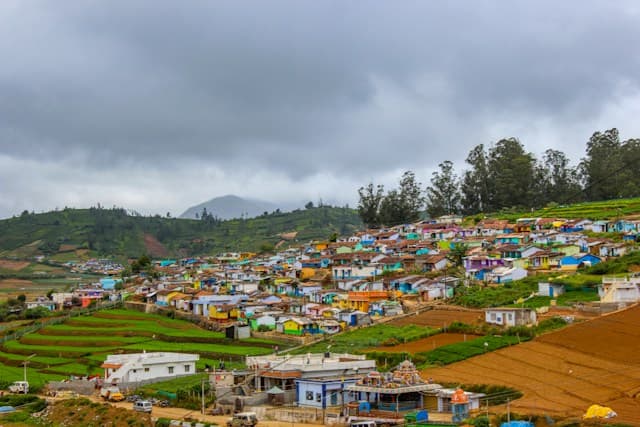
Cheranmahadevi is not a big sightseeing town with a long list of attractions. Its appeal lies in the atmosphere of an old Tamil settlement where temple streets, small shops, and river access shape the day. If you enjoy watching everyday life in a place that still feels rooted in tradition, this is the kind of stop that rewards a slow morning.
The town is often paired with nearby temple circuits, so you can use it as a base or as a short halt during a broader Tirunelveli district trip. Expect narrow roads, local tea stalls, and an unhurried pace that is best enjoyed on foot for short distances.
Riverside stops along the Tamirabarani
One of the nicest ways to experience this area is by visiting the riverbanks around Cheranmahadevi and then continuing toward nearby towns. Depending on water levels, you may find steps or informal access points where locals bathe, collect water, or perform daily rituals. Please be respectful: avoid entering bathing areas during crowded times and follow local customs.
If you have half a day, combine a riverside visit with a temple stop and a simple Tamil lunch. That combination tells you more about the region than rushing through multiple attractions ever will.
Nearby places worth adding to your route
From Cheranmahadevi, several destinations fit naturally into a one- or two-day plan:
- Tirunelveli - around 25-35 km away, depending on your exact start point; usually 45 minutes to 1 hour by road.
- Papanasam - around 20-30 km away, often about 45 minutes to 1 hour.
- Ambasamudram - roughly 10-20 km away, typically 20-40 minutes.
- Kalakkad and the broader foothill side - useful if you are combining river travel with a nature-based drive.
These distances are approximate and can vary by route and road conditions, so check current travel times before you set out.
The best time to plan your trip
The most comfortable months for a Cheranmahadevi and Tamirabarani trip are usually October to February, when the weather is cooler and temple visits feel easier. In these months, daytime temperatures are more manageable, and walking around the town or riverfront is pleasant.
March to June can get hot, especially in inland Tamil Nadu, so plan early morning or evening outings if you travel then. July to September brings monsoon influence in some years, which can make the river look more vibrant, but also means you should be cautious about local flooding, slippery steps, and sudden changes in water level.
If your focus is photography, early mornings are best throughout the year. Soft light over the river and temple gopurams gives you far better results than harsh midday sun.
How to reach Cheranmahadevi
By air
The nearest major airport is usually Tuticorin Airport, though many travellers also use Madurai Airport depending on flight availability and onward road plans. From either airport, you will need a taxi or bus transfer to reach Cheranmahadevi. Travel times can be around 1.5 to 3.5 hours depending on the airport you use and traffic conditions.
By train
The wider Tirunelveli district is well connected by rail, and many travellers reach Tirunelveli Junction first, then continue by road. This is often the easiest option if you are coming from Chennai, Madurai, Coimbatore, or southern Kerala. From the station, Cheranmahadevi is typically a straightforward road journey of under an hour and a half, depending on traffic and your exact route.
By road
Road travel is the most practical way to explore the Tamirabarani belt. You can hire a car from Tirunelveli, use local buses, or drive your own vehicle. Roads are generally manageable, but if you are planning multiple temple stops in one day, a private taxi is often the most comfortable option.
For budget planning, local road travel might cost roughly ?800-?1,500 for a short taxi transfer, while a full-day cab in this region can often fall in the range of ?2,500-?4,500, depending on vehicle type and itinerary. Confirm rates locally, because prices change with season and demand.
Suggested itinerary for 1 to 2 days
One-day plan
- Start early from Tirunelveli or Ambasamudram.
- Visit Cheranmahadevi and spend time at the riverbank.
- Have a Tamil breakfast or coffee break at a local eatery.
- Continue to one or two nearby temples along the Tamirabarani route.
- Return by evening for dinner in Tirunelveli.
This is ideal if you are short on time and want a low-stress day trip.
Two-day plan
On day one, stay in Tirunelveli or Ambasamudram and focus on Cheranmahadevi plus nearby river towns. On day two, add Papanasam or a longer temple circuit, depending on your interests. This lets you travel at a comfortable pace and gives you time to sit by the river instead of constantly moving.
Where to stay and what to budget
Accommodation options are usually better in Tirunelveli than in Cheranmahadevi itself. You will find budget lodges, standard hotels, and a few more comfortable business-style stays in the city. In smaller towns closer to the river, options may be limited, so book ahead if you are travelling during festivals or school holidays.
A practical budget for a South India trip in this region might look like this:
| Category | Indicative cost |
|---|---|
| Budget stay | ?1,000-?2,000 per night |
| Comfort stay | ?2,500-?4,000 per night |
| Local meals | ?150-?400 per person |
| Private cab for a day | ?2,500-?4,500 |
These are only indicative figures, and actual prices depend on season, vehicle type, and the kind of hotel you choose.
What to eat in the Tamirabarani region
This part of Tamil Nadu is a good place to enjoy simple, satisfying food rather than elaborate dining. Look for idli, dosa, pongal, vada, and strong filter coffee in the morning. For lunch, many local eateries serve rice meals with sambar, rasam, poriyal, curd, and a pickle or two.
If you are in Tirunelveli, do not skip the famous sweet associated with the city. It is widely known across Tamil Nadu, and many travellers pick up packs to take home. Availability and freshness matter, so buy from a trusted shop and check packaging if you are carrying it for a longer journey.
Practical travel tips
- Start early: Temple visits and riverside walks are best before the afternoon heat.
- Dress modestly: This is important for temple entry and local comfort.
- Carry cash: Small eateries and local transport may not always accept digital payments reliably.
- Watch the river edges: Steps and banks can be slippery, especially after rain.
- Respect local rituals: Ask before taking close-up photos of people bathing or praying.
- Confirm timings: Temple hours, bus frequency, and ferry or ghat access can change.
Frequently Asked Questions
Is Cheranmahadevi a good base for a South India trip?
Yes, if your trip focuses on temples, river landscapes, and slow travel in Tamil Nadu. It is better suited to travellers who want an authentic regional feel than those looking for shopping or nightlife. Most people use it as part of a wider Tirunelveli district itinerary rather than as a standalone destination.
How many days do you need for Cheranmahadevi and the Tamirabarani belt?
One full day is enough for a quick introduction, but two days will feel more relaxed. With two days, you can include more temples, spend time at the river, and avoid rushing between stops. If you love temple architecture or local food, an extra half-day is useful.
Is it safe to visit the river areas?
Generally, yes, but you should always stay cautious near riverbanks and bathing steps. Water levels can change after rain, and some areas may be crowded with local bathers. Follow local advice, avoid entering unknown stretches of the river, and do not go near slippery edges in the evening.
What is the nearest city with better facilities?
Tirunelveli is the most convenient nearby city for hotels, restaurants, transport, and medical facilities. It is also the best place to arrange taxis or continue your journey by train. If you want a smoother base with more choices, stay there and do day trips to Cheranmahadevi.
Can you combine this trip with other South India destinations?
Absolutely. This route fits well with Tirunelveli, Courtallam, Tenkasi, Madurai, and parts of southern Kerala if you have more time. It also works as a quieter add-on to a bigger Tamil Nadu temple itinerary. Road connectivity makes it easy to connect multiple stops in one trip.
Are there any special permits needed?
For a normal tourist visit to Cheranmahadevi and the Tamirabarani region, you usually do not need a special permit. That said, rules can change for certain protected areas or restricted river access points, so check locally before planning nature walks or unusual routes. Temple entry guidelines can also vary from place to place.
Conclusion
Cheranmahadevi and the Tamirabarani corridor are ideal if you want South India at a gentler pace. You get river views, temple culture, local meals, and a chance to see everyday Tamil Nadu without the pressure of a packed tourist circuit. Plan well, start early, and leave time for unhurried stops; that is where this trip really works.
If this guide helped you plan your South India trip, share the post with someone who enjoys temple towns, river routes, and easy-going travel in Tamil Nadu.
Planning a South-India trip?
Tell us your dates and who is travelling. Up to three local travel companies send you their itinerary and price.
Get free quotesDisclaimer: The information in this blog is for general information only. We try to keep it accurate and up to date, but TravelSetu accepts no liability for errors or omissions. If you believe any part of it infringes your rights, please write to info@travelsetu.com.