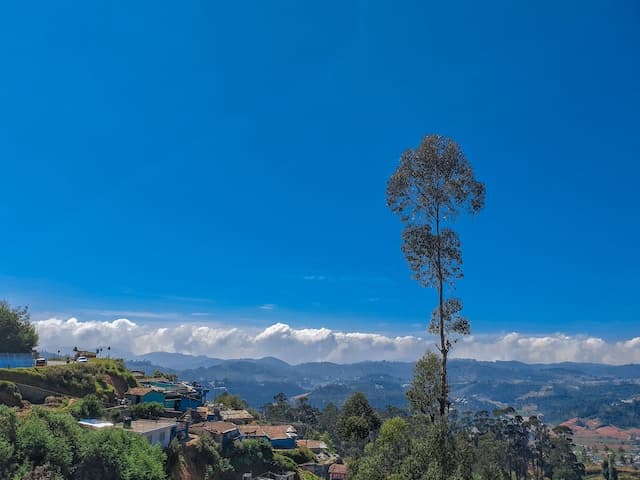
If you are planning a South India road trip and want a stretch that feels scenic, unusual and easy to combine with temples, beaches and hill country, Muppandal and Aralvaimozhi Pass deserve a place on your list. This route in southern Tamil Nadu is best known for its huge windmills, open landscapes and the dramatic gap that connects the plains to the Kanyakumari side of the Western Ghats.
For Indian travellers, especially families, bikers, photographers and self-drive visitors, this is the kind of stop that works well as part of a bigger circuit rather than as a stand-alone holiday. In this guide, you will find the best time to go, how to reach, what to expect on the ground, nearby places to pair with it, and practical tips so you can plan your trip with confidence.
Why Muppandal and Aralvaimozhi Pass stand out
Muppandal is not a classic hill station or a beach town. It is a wind-energy zone spread across open land near the Aralvaimozhi Pass in Kanyakumari district, close to the Tamil Nadu-Kerala side of the Western Ghats. The attraction here is the sheer scale of the wind farms and the feeling of driving through a wide pass with rows of turbines turning against the sky.
Aralvaimozhi Pass has long been an important route connecting Nagercoil and Kanyakumari with the northern side of Tamil Nadu. Today, many travellers know it for the windmills that line the landscape. The area is especially rewarding if you enjoy open roads, changing light in the evenings and views that are very different from the typical South India temple-and-coast itinerary.
Where exactly are Muppandal and Aralvaimozhi Pass?
Muppandal lies around 20-25 km from Nagercoil and roughly 40-45 km from Kanyakumari town by road, depending on your exact route. Aralvaimozhi Pass sits on the same corridor and is best understood as a mountain gap or natural route through the range rather than a town with a busy tourist centre.
The closest major travel base is Nagercoil, because it has decent rail connectivity, road links and accommodation options. Kanyakumari is another practical base if you want to mix the wind farm route with sunrise views, Vivekananda Rock Memorial and coastal sightseeing. If you are coming from the Kerala side, the route can also be folded into a trip from Thiruvananthapuram, which is about 75-90 km away by road, depending on traffic and route choice.
How to reach Muppandal and Aralvaimozhi Pass
By road
The easiest way to see this area is by car, taxi or self-drive. From Nagercoil, the drive to Muppandal is usually around 30-45 minutes. From Kanyakumari, expect about 1 to 1.5 hours in normal conditions. The roads are generally straightforward, though traffic can slow down near towns and junctions.
If you are travelling on a South India road trip, this stretch fits neatly into a route that includes Thirunelveli, Nagercoil, Kanyakumari and the nearby Kerala border districts. The open road and windmill views make it popular with bikers as well, but remember that crosswinds can be strong in the pass, so ride carefully.
By train
The nearest useful railhead is Nagercoil Junction. From there, you can hire a taxi or take a local bus toward Muppandal and the Aralvaimozhi side. If you are arriving from major cities like Chennai, Bengaluru or Madurai, Nagercoil is usually the best train base for this part of the trip.
By air
The nearest airport is Trivandrum International Airport, which is more convenient than many travellers first expect. From the airport, road travel to Nagercoil or Kanyakumari is commonly in the 2 to 3 hour range, subject to traffic and border-town delays. Madurai airport is another option if you are combining this area with a longer Tamil Nadu itinerary.
Best time to visit
The most comfortable months are usually November to February, when the weather is cooler and the daylight drive feels pleasant. This is also a good time for road trips because the sun is less harsh and you can enjoy the views without fatigue.
March to May can be hot and dry, especially in the daytime. If you travel then, go early in the morning or later in the evening. The advantage of summer is clear skies and strong visibility, which can make the turbine landscape stand out sharply in photos.
June to September brings monsoon influences and variable weather. The countryside looks greener, but rain and low cloud may reduce visibility in the pass. Always check local road conditions before you set out, especially if you are driving through during heavy showers.
What you will actually see there
The wind farms at Muppandal
The main sight here is the wind-energy landscape. Large wind turbines spread across the hills and plains create a striking scene, especially when several rows are turning together. You may not always be able to go right up to every turbine, but even from the roadside the scale is impressive.
For many visitors, the appeal is not an “attraction” in the usual sense. It is the atmosphere: long stretches of road, the rhythm of the blades, and the contrast between engineering and nature. If you like photography, late afternoon is the best time to capture depth, shadows and movement.
Aralvaimozhi Pass views
The pass itself is a scenic transition point, where the land opens and then narrows again through the route. On a clear day, you get wide views across the wind farm zone and the surrounding terrain. It is a good place to pause briefly, stretch your legs and take in the landscape before continuing toward Nagercoil or Kanyakumari.
Do not expect a large park or ticketed sightseeing complex. This area rewards travellers who enjoy simple, open-air travel experiences. If you are the kind of person who likes the drive as much as the destination, you will likely enjoy it more than someone looking for shopping, rides or curated tourist facilities.
Nearby places worth combining with this route
The best way to visit Muppandal and Aralvaimozhi Pass is as part of a wider South India itinerary. Here are the easiest add-ons:
- Kanyakumari - about 40-45 km from Muppandal. Good for sunrise, the sea front, Vivekananda Rock Memorial and the Thiruvalluvar Statue.
- Nagercoil - about 20-25 km away. Useful for lunch, rest, trains and an overnight stay.
- Padmanabhapuram Palace - around 35-45 km from the area, depending on route. A fine cultural stop if you enjoy heritage sites.
- Thanumalayan Temple, Suchindram - a practical detour from Nagercoil and a nice religious stop for temple travellers.
- Thirparappu Falls - a seasonal water spot that works better when there is good flow, especially after rains.
If your trip is longer, you can also link this region with Thirunelveli, Rameswaram or the Kerala backwater side, depending on how much time you have. For travellers covering South India slowly, this route works well as a transition day between coast, temple towns and long-distance highway driving.
A practical one-day plan
If you are starting from Nagercoil or Kanyakumari, a half-day or one-day trip is enough for this area. A simple plan looks like this:
- Leave early from Nagercoil or Kanyakumari, ideally by 7:00 am.
- Drive through Aralvaimozhi Pass and stop for views and photos.
- Spend time around Muppandal, enjoying the wind farm landscape.
- Have lunch in Nagercoil or on the way back in a dependable local restaurant.
- If time allows, continue to Suchindram or Kanyakumari for the evening.
If you are coming from Trivandrum, a relaxed day trip is possible, but it will feel fuller. In that case, start early and keep one main sightseeing stop besides Muppandal, otherwise the drive may feel long.
Where to stay and what it may cost
Muppandal itself is not where most travellers stay. The better choices are Nagercoil and Kanyakumari, where you will find budget lodges, mid-range hotels and a few more comfortable stays. As an indicative range, budget rooms in this region may start around ?1,000-?2,000 per night, while mid-range hotels are often around ?2,500-?4,500 per night. Premium options can go above that, especially in better-located Kanyakumari properties.
For transport, a local taxi for a half-day trip may fall in the range of ?2,500-?4,500, depending on pickup point, waiting time and season. Self-drive travellers should factor in fuel, tolls where applicable and the chance of extra time if they stop for photography. Always confirm current rates before booking, since local demand can change pricing.
Travel tips for a smoother trip
- Carry water and light snacks, because facilities near the pass itself are limited.
- Go in the morning or late afternoon for better light and more comfortable temperatures.
- Keep your vehicle fuelled up before leaving Nagercoil or Kanyakumari.
- If you are photographing the windmills, stay safe and do not block traffic or enter restricted areas.
- Wind conditions can be strong, so wear a cap or secure loose items when you stop.
- Check weather and local road conditions in monsoon months before you drive.
If you are travelling with children or older family members, keep the plan short and simple. A scenic drive, one or two stops and a proper meal are usually enough. This is not a place where you need to rush from point to point.
Frequently Asked Questions
Is Muppandal worth visiting if I am already going to Kanyakumari?
Yes, especially if you enjoy road scenery and different kinds of landscapes. It is not a major sightseeing complex, but it adds variety to a Kanyakumari trip. Many travellers find it worthwhile as a half-day detour.
How much time do I need for Muppandal and Aralvaimozhi Pass?
Plan for 1 to 3 hours if you only want to drive through, stop for photos and continue. If you are combining it with nearby temples or Nagercoil sightseeing, keep half a day. A full day makes sense only if you are linking multiple nearby stops.
Is the road safe for self-drive and bike trips?
Yes, the road is generally suitable for self-drive and bikes, but wind and traffic awareness are important. The open stretch can feel different from regular highways because of crosswinds and sudden gusts. Ride or drive patiently, especially in the pass area.
Are there entry fees at Muppandal wind farms?
There is usually no major tourist entry setup for the general landscape views, but access can vary depending on the exact spot and local conditions. Some viewpoints or parking areas may have small informal charges, while some zones may have restricted access. Confirm locally when you arrive.
What is the best base for staying nearby?
Nagercoil is practical for transport and budget planning, while Kanyakumari is better if you want sea views and tourist facilities. If you are arriving by train, Nagercoil often makes life easier. If your main goal is sightseeing, Kanyakumari may be more enjoyable.
Can I combine this with a larger South India itinerary?
Absolutely. This route fits well with trips to Kanyakumari, Thirunelveli, Madurai, Rameswaram and Trivandrum. It is especially useful as a connecting day in a longer Tamil Nadu or Kerala circuit.
Conclusion
Muppandal and Aralvaimozhi Pass are a good reminder that South India travel is not only about temples, beaches and famous hill stations. Sometimes the most memorable stop is a stretch of road where wind, light and open space create something unusual. If you like scenic drives, engineering landscapes and easy add-ons to a Kanyakumari or Nagercoil trip, this route is well worth your time.
If this guide helped you plan your South India itinerary, share it with someone who is thinking about a road trip in Tamil Nadu.
Planning a South-India trip?
Tell us your dates and who is travelling. Up to three local travel companies send you their itinerary and price.
Get free quotesDisclaimer: The information in this blog is for general information only. We try to keep it accurate and up to date, but TravelSetu accepts no liability for errors or omissions. If you believe any part of it infringes your rights, please write to info@travelsetu.com.