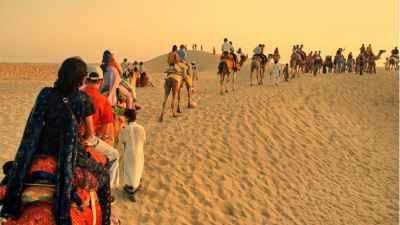
If you are planning a Rajasthan trip and want more than forts, dunes and city sightseeing, Bassi Wildlife Sanctuary can add a quieter, greener chapter to your itinerary. This guide is for Indian travellers who want practical details on when to go, how to reach, what to expect, and how to fit the sanctuary into a Rajasthan road trip without wasting time.
Bassi Wildlife Sanctuary sits in the Chittorgarh district and works well as a short nature stop for people travelling through south Rajasthan. You will get forest drives, lakeside views, birdwatching opportunities and a slower pace that contrasts nicely with the usual heritage circuit.
Where Bassi Wildlife Sanctuary is and why it matters
Bassi Wildlife Sanctuary is in south-eastern Rajasthan, around 25-30 km from Chittorgarh town by road, depending on the route you take. It is often combined with Chittorgarh Fort, Bassi Dam and nearby local temples or village stops, making it a useful add-on rather than a standalone long-stay destination.
The sanctuary is known for dry deciduous forest, rocky terrain and water bodies that attract wildlife in the cooler months. If you enjoy quiet landscapes, birding and short jungle drives, this is a more relaxed alternative to the busier wildlife parks in Rajasthan.
What you can expect inside the sanctuary
Bassi Wildlife Sanctuary is not about large-scale safari tourism with frequent jeep convoys. It is more subdued, with forested patches, seasonal streams, reservoir areas and the kind of terrain that suits short nature walks in permitted zones and guided outings where allowed.
You may spot animals such as nilgai, chital, wild boar, mongoose, jackals and a variety of birds. Leopards are present in the broader region, but sightings are not guaranteed and should not be the reason you plan the trip. For most visitors, the charm lies in the landscape itself: sal, dhok and other dry forest species, birds around the water, and the feeling of being away from highway noise.
If you are a photographer, sunrise and late afternoon are the best times for soft light on the rocky hills and lake edges. If you are a birdwatcher, bring binoculars and stay patient near water sources, especially from November to February.
Best time to visit Bassi Wildlife Sanctuary
The best time to visit Bassi Wildlife Sanctuary is from October to March, when the weather is pleasant and the forest is easier to explore. Day temperatures are comfortable for travel, and bird activity is usually better around water bodies during this period.
From April to June, Rajasthan can become intensely hot, and daytime exploration becomes tiring. Monsoon months, roughly July to September, may bring fresh greenery, but roads can become slippery in places and some forest access may be limited depending on conditions and local permissions.
| Season | What to expect | Travel tip |
|---|---|---|
| October to March | Cool weather, better birding, easy road travel | Best overall time for a short wildlife trip |
| April to June | Very hot afternoons, dry conditions | Visit only early morning or late evening if you must go |
| July to September | Greener landscape, occasional rain, possible access limits | Check local conditions before starting out |
How to reach Bassi Wildlife Sanctuary
The easiest base is Chittorgarh, which is well connected by rail and road to major Rajasthan cities. From Chittorgarh town, you can hire a taxi or self-drive towards Bassi; the road journey usually takes around 45 minutes to 1.5 hours, depending on your exact starting point and road conditions.
If you are coming from Udaipur, plan for about 2.5 to 3.5 hours by road. From Jaipur, the drive is longer, generally around 5 to 6.5 hours. If you are travelling by train, Chittorgarh Junction is the nearest major railhead for most visitors. From there, local transport or a pre-booked cab is the most practical option.
For air travel, Udaipur is the most convenient airport, though Jaipur also works if your Rajasthan itinerary is broader. In both cases, you will still need a road transfer to Chittorgarh and then onward to the sanctuary.
Practical transport advice
Public transport to the sanctuary area is limited, so a taxi, private car or organised road trip is the most comfortable option. If you are planning to spend only one day, keep your driver’s timings flexible because wildlife and scenic stops are best enjoyed without rushing. Confirm local entry conditions and any guide requirements before you leave Chittorgarh, since rules can change seasonally.
What to do during your visit
A visit to Bassi Wildlife Sanctuary is best planned as a half-day or one-day outing. Most travellers combine it with nearby heritage and nature spots instead of spending multiple nights in the forest area.
1. Go for a short forest drive
The main appeal here is a slow drive through forested terrain and around water bodies. Keep your expectations realistic: this is not a dense tiger reserve experience, but it does give you a peaceful look at Rajasthan’s lesser-known wild side.
2. Watch birds near water
In winter, bird activity can be rewarding around lakes and reservoirs. Carry binoculars if you have them, and try to reach early in the morning when the forest is quieter and birds are more active.
3. Pair it with Bassi Dam and Chittorgarh
Many travellers add Bassi Dam and Chittorgarh Fort to the same trip. This makes sense because you can cover heritage in the morning, a nature stop in the afternoon, and then return to Chittorgarh for the night.
4. Enjoy a slower road trip
The route through this part of Rajasthan is ideal if you like village roads, open landscapes and less-crowded destinations. Bring snacks, water and enough time so the drive itself becomes part of the experience.
Suggested itinerary for Indian travellers
If you are coming from nearby cities, a short trip works well. Here is a simple way to plan it without overpacking your schedule.
- Day 1: Reach Chittorgarh by afternoon, visit Chittorgarh Fort or local markets, stay overnight.
- Day 2: Start early for Bassi Wildlife Sanctuary, spend 3-4 hours on the forest side and nearby water bodies, then return to Chittorgarh or continue to Udaipur.
- Day 3: Add Bassi Dam, local temples or another heritage stop if your route allows.
If you have only one day, leave Chittorgarh by sunrise, spend the morning at the sanctuary, have lunch nearby and then visit the fort or head back. This works especially well for travellers on a Rajasthan road trip from Udaipur, Kota or Jaipur.
Where to stay and what it may cost
Most travellers stay in Chittorgarh rather than inside the sanctuary area. That gives you more hotel choices, easier meals and better access to transport. If you prefer a simple nature-facing stay, look for guesthouses or small resorts in the wider Chittorgarh district, but confirm how close they are to the sanctuary before booking.
Indicative room rates in Chittorgarh can range from about ?1,200-?2,500 per night for budget hotels, ?2,500-?4,500 per night for mid-range stays, and ?5,000-?8,000 or more for better boutique or heritage-style options. Cab hire for a local day trip may cost around ?2,000-?4,500 depending on distance, vehicle type and waiting time. These figures change with season, fuel costs and demand, so confirm at the time of booking.
Entry, permits and local etiquette
Wildlife and forest rules can change, and entry may depend on local permissions, timings and conservation conditions. Before you go, check with your hotel, local tourism contacts or forest authorities for the latest visitor rules, especially if you are planning to enter specific zones or hire a guide.
Carry a government ID, keep cash for small expenses, and avoid assuming that every road inside the forest is open to casual visitors. Do not feed animals, do not play loud music and do not get down from the vehicle unless you are in a permitted area. If you are travelling with children, explain these basics before entering the sanctuary so the trip remains smooth.
What to pack for Bassi Wildlife Sanctuary
Since this is a dry forest and road-trip destination, your packing list can stay light but practical. Comfortable clothing, closed shoes and sun protection make the biggest difference.
- Light cotton clothes in earthy or neutral colours
- Closed walking shoes or sturdy sneakers
- Cap, sunglasses and sunscreen
- Refillable water bottle
- Binoculars and a camera if you enjoy birding
- Basic medicines, insect repellent and ID proof
In winter, carry a light jacket for early morning drives. In summer, plan for heat, not just sunshine. Keep your vehicle stocked with water because facilities near the sanctuary may be limited.
Frequently Asked Questions
Is Bassi Wildlife Sanctuary good for a family trip?
Yes, if your family enjoys short road trips, nature views and quiet outdoor time. It is better suited to families who are comfortable with limited facilities and simple sightseeing rather than high-activity jungle tourism. Keep the itinerary short and combine it with Chittorgarh for a more balanced day.
How much time do you need for Bassi Wildlife Sanctuary?
Most travellers need 3-4 hours for the sanctuary area itself, plus travel time from Chittorgarh or another base. If you want to include nearby stops such as Bassi Dam or Chittorgarh Fort, plan a full day. A relaxed overnight trip is even better if you are coming from Udaipur or Jaipur.
Can you do a day trip from Udaipur?
Yes, a day trip is possible, but it will be a long day with around 2.5 to 3.5 hours each way on the road. It is more comfortable if you leave very early and return after sunset. If your schedule allows, staying overnight in Chittorgarh is the better option.
Is wildlife sighting guaranteed?
No, and that is important to keep in mind. The sanctuary is best enjoyed for its landscape, birding and quiet forest experience, while animal sightings depend on luck, season and time of day. If you want guaranteed big-cat tourism, this is not the place to expect it.
What is the nearest major city to stay in?
Chittorgarh is the most practical base because it is close to the sanctuary and has the widest range of hotels and transport options. Udaipur is a good choice if you are combining this trip with a broader Rajasthan holiday, but it adds extra driving time. Jaipur is possible, though it is much farther away.
Are there food options near the sanctuary?
Food options close to the sanctuary may be limited and basic. It is wiser to eat in Chittorgarh, carry snacks and water, and not depend on finding a full meal right at the forest edge. If you are on a guided trip, ask your driver to plan meal stops in advance.
Conclusion
Bassi Wildlife Sanctuary is a good fit if you want to add a calm, nature-focused stop to a Rajasthan itinerary that usually revolves around forts, palaces and desert towns. It works especially well for travellers who prefer short road trips, birding, and uncrowded surroundings close to Chittorgarh.
Plan it as part of a larger south Rajasthan route, check entry rules before you travel, and keep your expectations practical so you can enjoy the forest for what it is.
If you found this guide useful, please share it with fellow travellers planning a Rajasthan trip.
Planning a Rajasthan trip?
Tell us your dates and who is travelling. Up to three local travel companies send you their itinerary and price.
Get free quotesDisclaimer: The information in this blog is for general information only. We try to keep it accurate and up to date, but TravelSetu accepts no liability for errors or omissions. If you believe any part of it infringes your rights, please write to info@travelsetu.com.