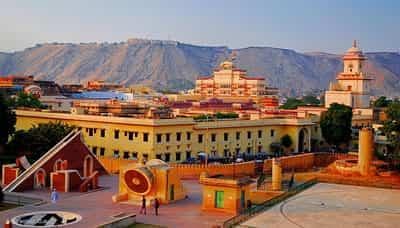
If you are planning a Rajasthan trip and want something quieter than Jaipur’s palace circuit or Jaisalmer’s desert crowds, Pratapgarh and the southern belt of the state deserve your attention. This part of Rajasthan gives you tribal culture, forested hills, lakes, old forts, and local food that feels very different from the usual tourist trail. In this guide, you will find where to go, when to travel, how to move around, and how to plan a practical itinerary without wasting time on guesswork.
Why Pratapgarh and Southern Rajasthan feel different
Southern Rajasthan has a greener, softer look than the desert districts many travellers picture first. Pratapgarh sits close to Madhya Pradesh and Gujarat, and that geography shows in the landscape: rolling hills, farmland, river valleys, and pockets of forest rather than wide sand stretches. For Indian travellers, this means a slower trip with fewer long queues, more local interaction, and better chances to explore by road.
Pratapgarh town itself is not a big sightseeing-heavy city, and that is exactly why it works well as a base for a broader southern Rajasthan plan. You can pair it with Banswara, Dungarpur, Chittorgarh, Udaipur, and even short detours into the tribal belt. Most travellers spend 2-5 days here, depending on how much road travel they are comfortable with.
Best places to include in your itinerary
Pratapgarh town and nearby countryside
Pratapgarh is best approached as a relaxed stop rather than a rush-through destination. The town gives you a feel for everyday Mewari and tribal life in this region, along with access to local markets, temples, and countryside drives. If you enjoy slow travel, a half-day in town followed by village-side road journeys can be more rewarding than chasing a packed list of monuments.
Keep some time aside for local sweets, snacks, and market walks. The real appeal here is not a huge monument count; it is the atmosphere, the backroads, and the chance to see a part of Rajasthan that many first-time visitors skip.
Banswara: lakes and the Mahi region
Banswara is often called the “City of Hundred Islands,” a nickname tied to the riverine landscape and lake system around the Mahi basin. It is one of the most pleasant additions to a southern Rajasthan trip because the scenery changes noticeably from the drier north. The drive from Pratapgarh to Banswara usually takes around 2-3 hours by road, depending on your exact start point and traffic.
Plan Banswara if you want calm water views, local temples, and a less commercialised stop. It is especially suitable if you are travelling with family and prefer sightseeing that does not involve long walking or difficult terrain.
Dungarpur: heritage and old-world charm
Dungarpur adds architecture and royal history to the southern Rajasthan route. The town has palaces, old havelis, and a strong sense of Rajput heritage, but it still feels manageable for a one-day visit. If you like old stone buildings, local craft, and quieter lanes, this district fits well into a broader Pratapgarh circuit.
Many travellers combine Dungarpur with Banswara or Udaipur, depending on entry and exit points. Roads are generally the best way to cover this region, and you should keep buffer time because hill curves and smaller state highways can slow the pace more than map apps suggest.
Chittorgarh: a major heritage stop on the way
If your route allows, Chittorgarh is worth building into the same trip. The fort is among Rajasthan’s most important heritage sites, and it can easily fill half a day or more if you enjoy history. For many travellers, a Udaipur-Pratapgarh-Banswara-Chittorgarh loop gives a nice balance of forts, lakes, and countryside.
Chittorgarh is also easier to connect by rail than some smaller southern districts. If you do not want to drive the full distance between every stop, you can use the city as a practical rail-linked anchor and then hire a cab for nearby sightseeing.
Suggested routes and how to move around
Road travel is the most flexible way to explore Pratapgarh and southern Rajasthan. Self-drive cars, private cabs, and pre-booked taxi packages work better than depending on frequent public buses between every scenic stop. Trains can help you reach bigger junctions such as Udaipur, Chittorgarh, or Ratlam, but the smaller local hops are usually easier by road.
If you are coming from Udaipur, Pratapgarh is typically a long but workable drive, often around 4-6 hours depending on route and stops. From Chittorgarh, the journey is shorter and more convenient for a same-day transfer. If your trip starts from Indore or Ahmedabad, southern Rajasthan can also be slotted into a wider multi-state road itinerary.
| Route | Approx. road time | Best use |
|---|---|---|
| Udaipur to Pratapgarh | 4-6 hours | Combine lake city sightseeing with a quieter southern stay |
| Pratapgarh to Banswara | 2-3 hours | Easy short extension for lakes and river scenery |
| Pratapgarh to Dungarpur | 3-4 hours | Good for heritage-focused travellers |
| Pratapgarh to Chittorgarh | 3.5-5 hours | Useful for fort visits and better rail connectivity |
These timings are indicative and depend on road conditions, rain, and the exact start point. Always confirm local travel time before finalising your day plan.
What to see and how many days to keep
For a short trip, 2-3 days is enough to cover one base plus one nearby district. If you want to experience Pratapgarh properly along with Banswara or Dungarpur, keep at least 4 days. A 5-day loop lets you include Chittorgarh or Udaipur without turning the trip into a constant transfer schedule.
Ideal 3-day plan
- Day 1: Reach Pratapgarh, settle in, and explore the town plus local food stops.
- Day 2: Full-day road trip to Banswara and nearby lake-facing viewpoints.
- Day 3: Return via a nearby heritage stop or continue onward to Chittorgarh.
Ideal 5-day plan
- Day 1: Udaipur or Chittorgarh arrival.
- Day 2: Drive to Pratapgarh and spend the afternoon locally.
- Day 3: Banswara excursion.
- Day 4: Dungarpur heritage day.
- Day 5: Exit via Chittorgarh or back to Udaipur.
This kind of route works well for families, couples, and small groups because you are not changing hotels every single night. Fewer check-ins mean less fatigue and more time for actual sightseeing.
When to travel for the best experience
The best months for Pratapgarh and southern Rajasthan are usually October to March. Days are comfortable, mornings are pleasant, and road travel is easier than in peak summer. If you like festivals and cultural activity, winter is also the most practical season for small local events and village fairs.
April to June can be hot, though southern Rajasthan may feel slightly less harsh than desert zones farther west. July to September brings monsoon showers, which can make the landscape greener and improve the look of the countryside, but roads may get slower in some stretches. If you are planning a monsoon trip, keep extra travel buffer and avoid tight same-day connections.
Where to stay and what budget to expect
Accommodation options in Pratapgarh and nearby towns are usually simpler than in Jaipur or Udaipur. You will find budget hotels, local lodges, and a few mid-range properties in district headquarters and larger towns. If you prefer better comfort, book early and choose a base in a more connected town, then do day drives from there.
For a realistic budget, expect around ?1,200-?2,500 per night for simple stays, ?2,500-?4,500 per night for decent mid-range hotels, and more if you choose a larger heritage-style property in a better-connected city. Cab charges vary widely by route and season, but a private day car for local sightseeing often starts around ?3,500-?6,500 depending on distance and vehicle type. Confirm current rates before booking because fuel and demand can change prices quickly.
Food to try in southern Rajasthan
Food is one of the easiest ways to understand the region. In southern Rajasthan, you will often find a mix of Rajasthani staples, seasonal local vegetables, and snacks that feel more earthy than rich. Expect dal baati churma in some restaurants, but also look for simple thalis, bajra items, local sabzis, and tea-time snacks that locals actually eat daily.
If you are travelling through small towns, ask for fresh rotis, gatte-based dishes, poha, kachori, and local sweets from well-known shops rather than only relying on hotel menus. In many places, the best food is not fancy; it is clean, consistent, and freshly made in a busy local eatery.
Practical travel tips for Indian travellers
- Carry enough cash for smaller towns, as digital payments may not work everywhere.
- Keep a buffer of 1-2 hours between road transfers, especially in monsoon and winter fog.
- Book your cab or self-drive vehicle in advance if you are travelling during school holidays or festival periods.
- Pack light cotton clothes for most of the year, but keep a warm layer for winter mornings.
- If you are planning temple visits or rural stops, dress modestly and keep footwear easy to remove.
- Confirm hotel check-in times and whether meals are available nearby, especially in smaller towns.
Frequently Asked Questions
Is Pratapgarh worth visiting on its own?
Yes, but mainly for travellers who enjoy slow, local, less touristy places. Pratapgarh works best when combined with nearby districts like Banswara, Dungarpur, Udaipur, or Chittorgarh. If you want a packed monument-only trip, you may prefer larger heritage cities.
How many days do I need for southern Rajasthan?
Two to three days is enough for one district plus a nearby extension. Four to five days is better if you want to add Banswara, Dungarpur, and a major heritage stop like Chittorgarh. The region is road-trip friendly, so more days usually mean a calmer and better-paced journey.
What is the best way to travel between these places?
A private cab or self-drive car is the most convenient option. Public transport exists, but it is not always the easiest for sightseeing-heavy itineraries with multiple stops. If you are connecting via rail, use larger junctions and then continue by road.
Is the region suitable for family travel?
Yes, especially if your family prefers relaxed sightseeing, lake views, and shorter daily plans. The main thing to manage is road time, so avoid overloading each day. Choose one base hotel and keep transfers limited.
Are there enough food and stay options in Pratapgarh?
There are basic to decent stay options, but the choice is smaller than in bigger tourist cities. Food is widely available in local restaurants and highway stops, though variety may be limited after dark in smaller areas. Book ahead if you want a predictable stay standard.
Which season is safest and most comfortable for a first visit?
October to March is the easiest period for most travellers. The weather is more comfortable for road trips and outdoor sightseeing, and you can move around without the strain of peak summer heat. If you travel in monsoon, keep some flexibility in your plan.
Conclusion
Pratapgarh and southern Rajasthan are for travellers who enjoy road journeys, local culture, and places that still feel lived-in rather than staged for tourism. If you plan it well, you can pair lakes, heritage, and rural scenery in a single trip without rushing from one crowd-filled attraction to another. Keep your route simple, your days realistic, and your expectations open, and this corner of Rajasthan can become one of your most memorable short escapes.
If this guide helped you plan better, share it with someone who is looking for a calmer Rajasthan trip.
Planning a Rajasthan trip?
Tell us your dates and who is travelling. Up to three local travel companies send you their itinerary and price.
Get free quotesDisclaimer: The information in this blog is for general information only. We try to keep it accurate and up to date, but TravelSetu accepts no liability for errors or omissions. If you believe any part of it infringes your rights, please write to info@travelsetu.com.