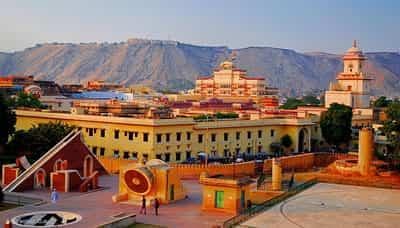
If you are planning a Rajasthan trip and want something quieter than the usual palace-and-desert circuit, Chandrabhaga Temples in Jhalrapatan deserve a place on your itinerary. This article will help you understand what to see, when to go, how to reach, what it may cost, and how to combine the temples with nearby places in Jhalawar district.
Jhalrapatan, often called the “city of bells,” is one of those places where Rajasthan feels more intimate and less rushed. The Chandrabhaga Temples sit by the riverbank and offer a rewarding mix of history, architecture and a calm small-town atmosphere that many travellers from Jaipur, Kota, Udaipur and even Delhi often overlook.
Why Chandrabhaga Temples matter on a Rajasthan trip
The Chandrabhaga Temple complex is one of the most interesting heritage stops in southeastern Rajasthan. It is not a single temple but a group of old shrines, many of them associated with the Chandrabhaga River and the broader temple landscape of Jhalrapatan. The setting is especially appealing because it feels lived-in rather than over-curated: you see local worship, old stonework, and the river landscape together.
For Indian travellers, this makes the place ideal if you enjoy heritage sites but prefer fewer crowds, lower costs and a more relaxed pace. It also works well as a half-day stop on a Jhalawar itinerary, or as an overnight detour if you are travelling between Kota, Udaipur, and Madhya Pradesh routes.
Where Chandrabhaga Temples are located
Chandrabhaga Temples are in Jhalrapatan, a town in Jhalawar district in southeastern Rajasthan. Jhalrapatan is roughly 6-7 km from Jhalawar city and is well connected by road to Kota, Bundi, Bhopal, Jaipur and Udaipur. The temples are close to the Chandrabhaga River, which gives the area its name and much of its atmosphere.
If you are mapping your route, think of Jhalrapatan as the heritage core and Jhalawar as the district base. Most visitors stay in Jhalawar town or in Kota and make a day trip. If you like slow travel, you can stay one night in Jhalawar and cover the temples along with local stepwells, old havelis and nearby forts.
What you will see at the temple complex
Stone temples with strong medieval character
The temples are known for their carved stone exteriors, traditional shikharas, and the kind of weathered surfaces that tell you these buildings have seen centuries of worship and seasonal floods, repairs and restoration. The visual appeal lies in the details: pillars, door frames, sculptural fragments and the layered look of older and newer shrine structures.
A peaceful river setting
One of the most pleasant parts of visiting is the riverside setting. The Chandrabhaga River does not create a dramatic canyon-like landscape, but it gives the site breathing space. Early mornings are especially nice because the light is soft, the air is cooler, and the complex feels unhurried.
Everyday worship and heritage together
Unlike some archaeological sites that feel detached from local life, these temples remain part of the living religious landscape. That means you may see devotees, small offerings, bells, incense and daily rituals. For many travellers, this is the most memorable part: the site is not just about stone and age, but about continuity.
Best time to visit Chandrabhaga Temples
The best time to visit Jhalrapatan is from October to March. During these months, the weather is more comfortable for walking around the temple complex and exploring the town. Winter mornings can be pleasantly cool, while afternoons are usually manageable.
July to September brings monsoon rain, which can make the river surroundings greener and photogenic, but also slightly slippery and less predictable. April to June is hot, and daytime temperatures in this part of Rajasthan can rise sharply, so if you travel then, aim for early morning or late evening visits.
If you are interested in local fairs, ask about temple-related or river-side festival days before planning. Dates and arrangements can change every year, so confirm locally before you travel.
How to reach Jhalrapatan and Chandrabhaga Temples
| Starting point | Approx. distance | Usual travel time | Best option |
|---|---|---|---|
| Kota | About 90-100 km | 2-3 hours by road | Taxi or self-drive |
| Bundi | About 95-110 km | 2.5-3.5 hours by road | Taxi or bus connection via Kota/Jhalawar side |
| Udaipur | About 250-280 km | 5-6.5 hours by road | Private cab or overnight road trip |
| Jaipur | About 300-330 km | 6-7.5 hours by road | Self-drive, cab or train to Kota, then road transfer |
| Delhi | About 500-550 km | 9-11 hours by road | Train or flight to Kota/Jaipur, then road transfer |
By train: The nearest major rail point is usually Kota, which is much better connected than Jhalawar itself. From Kota, you can continue by taxi or bus. Confirm station names and local connectivity before booking because train and last-mile options can change.
By road: Road travel is often the most practical choice. Expect a taxi from Kota to Jhalrapatan to cost roughly ?2,500-?4,500 one way, depending on vehicle type and season. Intercity buses may be cheaper, often around ?150-?500 per person depending on route and service class.
By air: The nearest convenient airports are usually Kota side access through Jaipur, Udaipur or Indore depending on your broader route. Because airport-to-temple travel still requires road transfer, flying only makes sense if you are combining Jhalawar with a larger Rajasthan itinerary.
What to do on a Chandrabhaga Temples visit
Spend time on the details
Do not rush through the site. The charm is in noticing the stone carvings, the arrangement of the shrines and the way the temple cluster sits against the river landscape. If you enjoy heritage photography, carry a zoom lens or use your phone’s portrait mode for architectural detail.
Walk the river edge carefully
Depending on the season, you may be able to walk near the Chandrabhaga River. This is best done in daylight and with comfortable footwear. If you visit after rain, watch your step because riverbank paths may be uneven.
Combine the temples with Jhalrapatan town
Jhalrapatan has a small-town rhythm that is worth experiencing. You can stop for tea, look for local snacks, and spend time in nearby heritage lanes. If you like old Rajasthani urban texture, this side trip is part of the appeal, not just a practical add-on.
Suggested itinerary for a day trip
If you are coming from Kota or nearby, a half-day itinerary works well:
- Leave by 7:00-8:00 am from Kota or your base town.
- Reach Jhalrapatan by around 9:00-10:00 am, depending on traffic and road conditions.
- Spend 1.5-2 hours at Chandrabhaga Temples.
- Have a simple lunch in Jhalawar town or at a local dhaba, usually ?150-?400 per person.
- Visit another nearby heritage stop such as an old fort, stepwell or town market if time allows.
- Return by evening, or stay overnight if you want a slower pace.
If you are planning from Jaipur, Udaipur or Delhi, a more relaxed 2-day plan is better. That gives you time to combine the temples with Jhalawar Fort, local bazaars and a proper meal stop without feeling rushed.
Nearby places to add to your Rajasthan route
Since you are already in Jhalawar district, it makes sense to add a few nearby stops. The exact mix depends on how much time you have and whether you are driving yourself.
- Jhalawar Fort: A good heritage stop in Jhalawar town if you want more architecture and local history.
- Gagron Fort: One of Rajasthan’s important forts, especially appealing to travellers who like strong historic settings and river confluences.
- Local stepwells and old town lanes: These are useful if you enjoy quiet heritage walks rather than major tourist hubs.
- Kota: Practical for overnight stays, food, and transport connections.
If your Rajasthan trip already includes Jaipur, Bundi, Kota or Chittorgarh, adding Jhalrapatan gives your route a different mood. It is more reflective and less commercial, which many travellers appreciate after the busier circuit destinations.
Where to stay and what it may cost
Most visitors stay in Jhalawar or Kota, since accommodation choice is better there. In Jhalawar, expect simple hotels and guesthouses in the range of ?1,200-?3,000 per night. In Kota, the range is wider, roughly ?1,500-?5,000 per night depending on location and comfort level.
If you prefer a more curated heritage experience, ask locally about heritage-style stays or family-run accommodations. Confirm amenities in advance, especially parking, hot water and meal availability. In smaller towns, service standards can vary, and that is normal.
For food, a basic meal in a local restaurant may cost ?100-?250 per person, while a fuller lunch or dinner can be around ?250-?600. If you are travelling with family, carrying water and light snacks is always wise.
Practical travel tips for Indian travellers
- Visit early in the day for better light and cooler weather.
- Wear comfortable shoes, as temple areas and river paths may be uneven.
- Carry cash for smaller purchases and local transport, even if digital payments are accepted in some places.
- Dress modestly, especially if you plan to enter active temples.
- Ask before taking close-up photos of people engaged in ???? or offerings.
- Check local road and weather conditions if you are travelling during monsoon or peak summer.
If you are travelling with elders or children, plan shorter walking stretches and keep breaks built in. The site is best enjoyed slowly, not as a quick photo stop.
Frequently Asked Questions
How much time do I need for Chandrabhaga Temples?
Most visitors need around 1 to 2 hours at the temple complex itself. If you want to photograph the site, sit by the river and explore the surroundings, keep 2 to 3 hours. If you are combining it with Jhalawar or Gagron Fort, plan a full day.
Is Chandrabhaga Temples suitable for a family trip?
Yes, it is suitable for families, especially if you enjoy heritage and quieter places. The visit is simple and can be kept flexible, which helps when travelling with children or elders. Just be careful near uneven steps and riverbank areas.
What is the best month to visit Rajasthan’s Chandrabhaga Temples?
November to February is usually the most comfortable time because the weather is cooler and better for walking around. October and March are also good if you prefer fewer crowds. Summer afternoons can be harsh, so avoid them if possible.
Are there entry fees at Chandrabhaga Temples?
Entry rules can change depending on the specific temple area and local arrangements. Some temple complexes may not charge a formal entry fee, while special parking or guided services could cost extra. It is best to confirm on arrival or with local tourism sources before you go.
Can I visit Chandrabhaga Temples as a day trip from Kota?
Yes, Kota is one of the most practical bases for a day trip. The road journey is manageable, and you can comfortably visit the temples and return the same day. If you want to add Jhalawar Fort or Gagron Fort, start early.
Is there a good time of day for photography?
Early morning is usually the best for soft light and a calmer setting. Late afternoon can also work well if the sun is not too harsh. During monsoon, the river surroundings may look especially green, but always watch your footing.
Conclusion
Chandrabhaga Temples in Jhalrapatan are a rewarding stop for anyone building a Rajasthan itinerary beyond the famous forts and palaces. They offer history, spirituality and a quieter river-side setting that feels genuine and easy to enjoy at your own pace. If you plan well and pair the visit with nearby Jhalawar or Kota, you will get a fuller picture of southeastern Rajasthan.
If this guide helped you plan better, please share this post with fellow travellers who are looking for a different side of Rajasthan.
Planning a Rajasthan trip?
Tell us your dates and who is travelling. Up to three local travel companies send you their itinerary and price.
Get free quotesDisclaimer: The information in this blog is for general information only. We try to keep it accurate and up to date, but TravelSetu accepts no liability for errors or omissions. If you believe any part of it infringes your rights, please write to info@travelsetu.com.