If you are planning a Corbett trip and want more than just one tiger safari, the Mohan and Corbett buffer region is worth your attention. This part of Uttarakhand gives you a softer, slower side of the landscape: forest edges, village roads, river views, birdlife, and stays that feel much calmer than the busiest tourist belts.
In this guide, you will get a practical read on where Mohan fits in the Corbett landscape, what the buffer region offers, when to go, how much to budget, and how to shape a trip that works for Indian travellers coming by road, rail, or a short mountain break.
What Mohan and the Corbett Buffer Region Actually Mean
When people say Corbett buffer region, they usually mean the villages, forest edges, and safari zones around Jim Corbett National Park rather than the strictly protected core. This area includes places around Ramnagar, Dhikuli, Dhela, Sitabani, Jhirna, Garjiya, and the wider forest road network that connects the park with nearby towns. Mohan is often used as a reference point for the broader forested route and the quieter stretches leading toward Corbett from the plains and the Kumaon side.
For you as a traveller, the buffer region matters because it gives more room to move, more stay options, and often better chances to enjoy the countryside without the full rush of peak safari traffic. It is also where many families, couples, and groups choose to stay if they want easy access to the park but a less crowded base.
Why This Area Appeals to Indian Travellers
The Corbett buffer region is ideal if you want a short Uttarakhand getaway that does not require a complicated itinerary. You can come from Delhi, Ghaziabad, Noida, Meerut, Lucknow, or Chandigarh by road with a single overnight stay, or pair it with a longer Kumaon plan that includes Nainital, Bhimtal, or Ranikhet.
It works especially well for:
- Families looking for resorts with open space, nature walks, and simple indoor activities.
- Couples who want privacy, river views, and a quieter setting than a hill station market.
- Wildlife lovers who want safari access, birding, and forest drives.
- Weekend travellers from North India who want a 2-3 day break without flying.
The big advantage is balance. You are close enough to the park for wildlife activities, yet far enough from the strict tourist core to enjoy slower mornings, local food, and wider resort grounds.
Best Time to Visit Mohan and the Corbett Buffer Region
The best time depends on what you want to do. For comfortable weather, October to February is the most popular period. Days are pleasant, evenings can get chilly, and the forest has a fresh winter feel. This is also a good time for birdwatching, especially around water bodies and forest roads.
March to June can be hot, but this is often a strong wildlife season because animals move toward water sources. If you do not mind midday heat, this can be a rewarding period for safaris and early-morning drives.
July to September brings the monsoon. Heavy rain can affect access, road conditions, and safari operations, though the landscape becomes green and beautiful. If you travel during this window, keep your plans flexible and confirm permits, road status, and hotel access before starting.
| Season | Weather | Best For | Travel Note |
|---|---|---|---|
| October-February | Cool to cold | Comfort, birding, family trips | Carry warm layers for mornings and nights |
| March-June | Warm to hot | Wildlife sightings, safari trips | Book early morning safaris and stay hydrated |
| July-September | Rainy and humid | Green scenery, quiet stays | Confirm road and safari availability before booking |
How to Reach the Area
The main gateway for Corbett is Ramnagar, which is well connected by road and rail. From there, the buffer region and surrounding forest stays are usually reached by taxi or resort transfer. Depending on where you stay, road travel from Ramnagar to resort areas can take around 20 minutes to an hour, sometimes a bit more if you are farther out.
By road: Delhi to Ramnagar is typically around 230-260 km, depending on your route, and may take 5.5 to 7 hours under normal traffic. Most travellers prefer starting early in the morning to avoid city congestion. Roads are generally manageable, but the last stretch can slow down with local traffic and narrow forest-side roads.
By train: Ramnagar is the closest practical railhead for most Corbett trips. Trains from Delhi and nearby cities can be convenient, especially for families and senior travellers who want to avoid a long drive.
By air: The nearest major airport is Pantnagar, but for most Indian travellers, road or rail still makes the trip easier. If you are flying in, you will usually continue by taxi from Pantnagar or combine your arrival with a larger Uttarakhand route.
What to Do in Mohan and the Corbett Buffer Region
1. Go on a safari, but plan it early
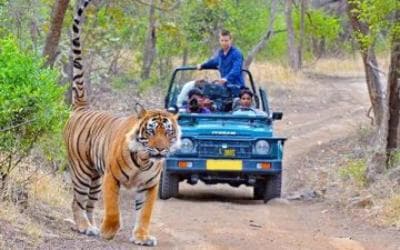
The biggest reason people come here is still the wildlife experience. Depending on the zone and season, you may have access to jeep safaris in parts of the buffer area and the park-adjacent forest zones. These permits are limited and often fill quickly in popular periods, so you should book in advance through a reliable operator or your resort. Always confirm current entry rules before you pay.
2. Spend time by the Kosi and forest edges
One of the pleasures of staying in the buffer region is simply being outdoors without rushing anywhere. Resorts often sit near forest lines or open land where you can hear birds in the morning and enjoy the change in light at sunset. The Kosi river belt around Corbett is especially pleasant for short walks and relaxed photography, though you should always follow local safety advice near water and forest areas.
3. Visit nearby local points
Depending on your base, you can combine your stay with easy outings to places such as Garjiya Devi Temple, Corbett Museum at Kaladhungi, and the Sitabani forest zone area. These are not long excursions, but they add variety to a short trip and make the journey feel more rooted in Kumaon rather than only safari-focused.
4. Try birdwatching and slow mornings
Even if you do not spot a large animal, the buffer region gives you plenty to enjoy. Drongos, kingfishers, bulbuls, parakeets, woodpeckers, and raptors are commonly seen in forest-fringe settings, especially in cooler months. Carry binoculars if you have them, and keep your schedule loose enough to enjoy an unplanned sighting.
Where to Stay and What It Costs
Accommodation in and around the Corbett buffer region ranges from simple guesthouses to upscale resorts with pools, lawns, bonfire setups, and guided naturalist walks. For Indian travellers, the sweet spot is often a mid-range resort that includes breakfast, some meals, and safari assistance.
Here is a practical budget guide, though actual rates vary by season, weekend demand, and safari load:
- Budget stays: ?1,500-?3,000 per night
- Mid-range resorts: ?4,000-?8,000 per night
- Premium wilderness resorts: ?9,000-?18,000+ per night
- Jeep safari: often ?3,000-?7,000 per jeep, depending on zone, season, and inclusions
- Meals: approximately ?500-?1,500 per person per day, depending on the property
If you are travelling with children or elders, choose a property with paved access roads, backup power, and in-house dining. If wildlife is your priority, ask for a property that can arrange guide services and permit support. Always confirm inclusions before booking, since packages can differ widely.
Suggested Itinerary for a Short Trip
A 2-night, 3-day trip is usually enough to enjoy the area without feeling rushed.
- Day 1: Reach Ramnagar by afternoon, transfer to your resort in the buffer region, relax, and take a short walk or nature session in the evening.
- Day 2: Go for an early safari, return for breakfast, rest, and then visit Garjiya Devi Temple or the Corbett Museum if time allows. Spend the evening at the resort.
- Day 3: Enjoy a slow breakfast, take one last forest-side drive or birding walk, and head back after lunch.
If you have 4 days, you can add a Sitabani visit, a longer river-side stop, or a combined Corbett-Nainital plan. For families travelling from Delhi, a long weekend is usually enough to feel refreshed.
Food, Local Feel, and Travel Etiquette
Food in the Corbett belt is usually familiar to Indian travellers: North Indian meals, simple vegetarian options, eggs, chicken, and basic kid-friendly dishes. Many resorts offer buffet-style dining, and you can also find dhabas and local eateries on the approach roads. If you prefer a specific cuisine, tell the property in advance rather than assuming it will be available on demand.
Because this is a forest-adjacent region, good travel etiquette matters. Do not play loud music near the forest, avoid littering, and follow safari instructions carefully. If a local guide asks you to stay inside the vehicle or keep still, do exactly that. The area rewards patient travellers more than hurried ones.
Practical Tips Before You Book
- Book safari permits and resort stays early, especially for weekends, holidays, and winter months.
- Carry a valid ID for every traveller; resorts and safari operators usually require it.
- Pack light woollens from October to February, and breathable cotton clothes for summer.
- Keep some cash for smaller purchases, though many properties accept digital payments.
- Check the exact location of your stay in relation to Ramnagar, Dhikuli, Jhirna, or Sitabani so you do not underestimate transfer time.
- Confirm road conditions during monsoon or after heavy rain, especially if your property is deeper inside the buffer area.
Frequently Asked Questions
Is Mohan the same as Jim Corbett National Park?
No, Mohan is not the park itself. It is better understood as part of the wider Corbett travel landscape and approach route, while Jim Corbett National Park is the protected wildlife area. If you are booking a stay, always check whether it is inside the core tourism belt or in the buffer region.
Is the buffer region good for first-time visitors?
Yes, it is often a better choice for first-timers because it is easier to stay in, less crowded than some core-facing points, and more flexible for families. You still get access to forest activities and the Corbett atmosphere without having to plan every minute. It is a sensible base for a short Uttarakhand holiday.
How many days should you spend here?
Two nights and three days is the most practical format for most travellers. That gives you time for at least one safari, one local visit, and a relaxed resort stay. If you want a slower pace or are combining Corbett with nearby hill destinations, four days works even better.
Do safari zones and timings change?
Yes, safari availability, opening hours, and entry rules can change by season and forest department decisions. Some zones may be quieter or more active depending on the month. You should confirm current rules with your resort or an authorised booking channel before finalising plans.
What should you pack for a Corbett buffer trip?
Pack comfortable walking shoes, light jackets in winter, sunscreen, mosquito repellent, a cap, a water bottle, and a power bank. For safaris, avoid bright clothing and carry a small pair of binoculars if you like birding. If you travel with children, add snacks and basic medicines.
Is this area suitable for senior travellers?
Yes, provided you choose a resort with easy access, reliable meals, and minimal stairs. The road journey can be long, so break the trip sensibly if needed. A short stay with one safari and one or two local visits is usually enough for a comfortable pace.
Conclusion
Mohan and the Corbett buffer region give you a grounded, practical way to experience Uttarakhand’s forest country without making the trip overly complicated. If you want wildlife, open space, and a restful base close to Ramnagar, this region is a smart fit for a family holiday, a couple’s escape, or a short road trip from North India.
If this guide helped you plan better, please share the post with friends or family who are considering a Corbett trip.
Planning a Uttarakhand trip?
Tell us your dates and who is travelling. Up to three local travel companies send you their itinerary and price.
Get free quotesDisclaimer: The information in this blog is for general information only. We try to keep it accurate and up to date, but TravelSetu accepts no liability for errors or omissions. If you believe any part of it infringes your rights, please write to info@travelsetu.com.