If you are planning a Corbett trip and want to understand the town that most travellers pass through on the way in, Ramnagar is the place to know. This guide is for families, wildlife lovers, road trippers and first-time visitors who want a practical picture of where to stay, when to go, how to move around and what to expect before entering Jim Corbett National Park.
Ramnagar is more than a transit stop. It is the main gateway to Corbett, a rail-linked town on the Kosi river side of Uttarakhand, and the base from which safari zones like Bijrani, Jhirna, Dhela and Dhikala are accessed. If you are building a Corbett itinerary, understanding Ramnagar will make the whole trip smoother.
Where Ramnagar Fits into a Corbett Trip
Ramnagar sits in Nainital district, around 15-20 km from many of the main Corbett safari entry points, depending on the zone and gate you are using. For most travellers, it is the place where the journey changes from ordinary highway travel to a wildlife holiday. You will find resort check-ins, safari desks, canteen stops, jeeps, local drivers and last-minute supplies here.
The town works well as a base for 1-3 nights if you are planning a short wildlife break. It also suits longer Uttarakhand itineraries because it connects reasonably well to Nainital, Kashipur, Haldwani and Delhi. Many visitors stay in Ramnagar to avoid rushing early morning safari departures from farther towns.
How to Reach Ramnagar
By train
Ramnagar has a railway station with direct or convenient train links from Delhi and nearby cities, though schedules can change seasonally. From Delhi, train travel is often the easiest option for families because it avoids long driving hours and lets you arrive rested. Once you reach the station, many hotels and resorts arrange pickup for roughly ?300-?800, depending on distance and vehicle type.
By road
From Delhi, Ramnagar is usually a 6-8 hour drive, covering roughly 250-260 km via Moradabad, Kashipur and Bazpur-side roads, depending on your route and traffic. From Nainital, the drive is around 2.5-3.5 hours, and from Haldwani it is generally about 2-2.5 hours. Road conditions are usually manageable, but monsoon traffic, fog in winter and weekend rush can add time, so leave early.
By air
The nearest practical airport is Pantnagar, about 70-80 km away, but flight timings and availability may not suit every plan. If you use this route, keep a buffer for the road transfer to Ramnagar. For most Indian travellers, a train or self-drive plan is simpler and often cheaper.
Best Time to Visit Ramnagar and Corbett
Ramnagar can be visited year-round, but your experience will vary sharply by season. The best months for a balanced trip are typically October to February, when the weather is cooler and safari mornings feel pleasant. March to June is hotter, yet it can be a good period for wildlife sightings because animals often come closer to water sources.
During monsoon, usually July to September, some safari zones close for safety and the forest becomes greener and less predictable for game viewing. If your main goal is a full safari experience, check zone openings before you book. For clear skies and comfortable resort stays, November to February is the safest bet, though early mornings can be chilly.
Here is a simple way to think about it:
| Season | Weather | Trip feel | Best for |
|---|---|---|---|
| October-February | Cool to cold | Comfortable and scenic | Families, first-timers, relaxed stays |
| March-June | Warm to hot | Good for wildlife movement | Safari-focused travellers |
| July-September | Rainy and humid | Limited safari access in some zones | Short stays, green landscapes |
What to Do in Ramnagar Town
Most travellers come for Corbett, but Ramnagar itself is worth a slow look if you have a few extra hours. The town has a practical, working feel rather than a polished tourist centre, and that is part of its charm. You will find local markets, roadside food stalls, fruit vendors, travel offices and the steady movement of safari vehicles at dawn and dusk.
A calm walk near the town centre, a tea stop, or an evening meal at your resort can be enough if your main focus is the forest. If you like local shopping, you can look for warm woollens in winter, packaged snacks, and basic travel items around the market area. Prices are usually fair, but it helps to ask before buying anything for the safari the next morning.
If you are staying for more than a night, ask your hotel about short excursions to nearby river stretches or village-side viewpoints, subject to seasonal conditions and local advice. Keep expectations practical; Ramnagar is a gateway town first, sightseeing town second.
Jim Corbett Safari Planning from Ramnagar
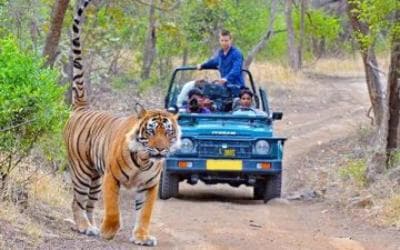
Ramnagar is important because it is where most Corbett safari logistics begin. Safari permissions, zone selection and jeep arrangements are usually handled by your resort, travel agent or approved operators. If you are booking independently, do it well in advance because popular slots fill quickly in peak season.
Common safari zones near Ramnagar
- Bijrani: Popular for forest drives and a classic Corbett feel.
- Jhirna: Often accessible for longer parts of the year and useful for visitors staying in the Ramnagar belt.
- Dhela: Good for people who want another accessible forest option and a less rushed experience.
- Dhikala: The most famous and usually the most sought-after zone, with stricter planning and longer-distance access from the park side.
Safari vehicles typically leave early in the morning or in the afternoon, and the exact timing depends on the season, gate and permit schedule. Expect dawn departures to be the norm. If you are staying in Ramnagar town, ask your hotel for the exact reporting time the previous night and keep breakfast flexible.
Costs vary widely by zone, season and whether you take a shared or private jeep. As a broad guide, a jeep safari may cost about ?4,500-?9,000 per vehicle for Indian travellers, excluding hotel transport and guide charges where applicable. Dhikala can involve different pricing and arrangements, so confirm everything before you pay.
Where to Stay in and Around Ramnagar
You will find everything from budget guesthouses to riverside resorts and mid-range wildlife lodges. If your focus is just one or two safaris, a clean hotel in Ramnagar town can be enough and is often more affordable. If you want a slower holiday with pool time, meals and forest ambience, choose a resort a little outside town.
Typical room rates look like this, though they can rise sharply on weekends, holidays and peak wildlife months:
- Budget stays: ?1,200-?2,500 per night
- Mid-range hotels and resorts: ?2,500-?6,000 per night
- Premium wildlife resorts: ?6,000-?15,000+ per night
For Indian travellers, the most sensible booking approach is simple: stay close to your safari gate or choose a resort that arranges permits, jeep transfers and early breakfast without drama. If you are travelling with children or older parents, check whether the property has ground-floor rooms, power backup and easy vehicle access.
Food, Local Habits and Practical Travel Tips
Food in Ramnagar is straightforward and travel-friendly. You will find North Indian meals, chai, parathas, basic snacks and simple vegetarian food at many dhabas and hotel kitchens. If you are sensitive to spice or have kids with you, tell the staff clearly. It is usually easier to rely on your hotel for breakfast on safari mornings than to search town at 5 am.
Carry some cash for small purchases, though UPI works in many places. Mobile network coverage is usually adequate in town, but it may become patchy near forest edges and inside safari areas. Keep offline maps ready, especially if you are driving yourself from Delhi or Haldwani.
Clothing depends on the season. In winter, pack layered clothes, caps and a light jacket for early safaris. In summer, choose breathable cotton, sunglasses and water. Neutral colours are better for safari than bright shades, and comfortable shoes help if you plan to move around resort grounds or village roads.
Sample 2-Day Ramnagar and Corbett Plan
If you are short on time, a two-day trip is enough for a first Corbett experience. A simple plan keeps the trip relaxed and avoids the common mistake of packing too much into one weekend.
- Day 1: Arrive in Ramnagar by afternoon, check into your hotel, rest, and confirm next morning’s safari reporting time.
- Day 2: Early morning safari, return for breakfast, relax or visit a nearby market, and leave by afternoon or stay one more night.
If you have three days, add a second safari in a different zone or keep one day free for a slower resort stay. The biggest travel mistake is arriving late on Day 1 and expecting to sort out safari permits at the last minute. Book ahead wherever possible, especially on long weekends and school holiday periods.
Frequently Asked Questions
Is Ramnagar a good base for visiting Jim Corbett National Park?
Yes, Ramnagar is the main gateway town for Corbett and one of the most practical places to stay. It offers better access to safari operators, transport and hotel options than farther towns. If your main aim is wildlife, staying here saves time and reduces morning stress.
How many days do you need in Ramnagar?
For a basic Corbett trip, 2 days and 1 night is the minimum workable plan, though it can feel rushed. Three days and 2 nights is better if you want two safaris and a comfortable pace. If you are also exploring nearby hill areas, add more time.
Can you visit Ramnagar without taking a safari?
Yes, you can stay in Ramnagar for the weather, the river-side setting and the relaxed town atmosphere. However, most travellers come here mainly for Corbett safaris, so the town itself is better seen as a gateway than as a full sightseeing destination. It works well as a stopover or base.
What is the approximate safari cost from Ramnagar?
A jeep safari may broadly cost ?4,500-?9,000 per vehicle, depending on the zone, season and booking route. Prices and rules change, and some zones have different arrangements, so confirm the current rates before you finalise plans. Hotel pickup, meals and permits may be extra.
Is Ramnagar safe for family travel?
Yes, it is generally a family-friendly base for Corbett trips. Choose a reputable hotel, keep valuables secure, and avoid very late-night road arrivals if possible. As always, use standard travel caution and confirm transport details in advance.
When should you book a Corbett trip from Ramnagar?
If you are travelling in peak months like November, December, long weekends or school holidays, book at least a few weeks ahead. Safari permits and good rooms can sell out quickly. For monsoon or off-season travel, a shorter lead time may work, but early booking is still safer.
Conclusion
Ramnagar is the practical centre of a Corbett trip: easy to reach, useful for overnight stays and closely tied to safari planning. If you treat it as your base and book the forest parts of the trip carefully, your Uttarakhand wildlife holiday becomes far less stressful and much more enjoyable.
If you found this guide useful, share the post with someone planning a Corbett getaway.
Planning a Uttarakhand trip?
Tell us your dates and who is travelling. Up to three local travel companies send you their itinerary and price.
Get free quotesDisclaimer: The information in this blog is for general information only. We try to keep it accurate and up to date, but TravelSetu accepts no liability for errors or omissions. If you believe any part of it infringes your rights, please write to info@travelsetu.com.