If you are planning a slow, culture-rich trip in Uttarakhand, Sela and the villages of Vyas Valley offer a very different experience from the state’s more familiar hill stations. This is the kind of journey for travellers who want mountain scenery, borderland history, village life, and a road trip that feels real, not packaged. In this guide, you will get a practical sense of where these villages are, when to go, how to reach them, what to expect on the road, and how to plan your stay without getting caught out by altitude or weather.
Why Sela and Vyas Valley Villages deserve your attention
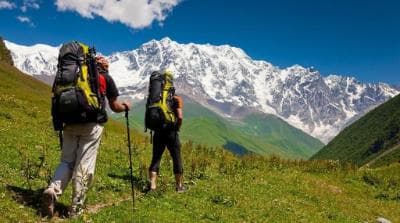
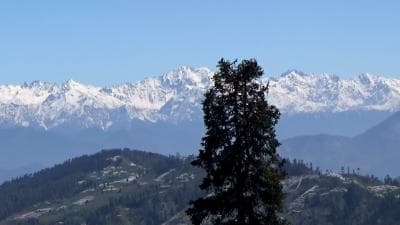
Most people think of Uttarakhand and picture Mussoorie, Nainital, Auli, or Kedarnath. But if you go deeper into the Kumaon side, especially toward Pithoragarh and Dharchula, you enter a quieter world of valleys, river crossings, terraced farms, and villages shaped by the Himalaya and by proximity to the border. Sela and the surrounding villages of Vyas Valley are ideal if you want to understand how people actually live in these mountain belts.
What makes this route special is the mix of landscape and lived culture. You are not just driving through pretty hills; you are moving through villages where seasonal farming, local architecture, and community life still matter. Expect long road distances, modest facilities, and some of the warmest hospitality you will find in Uttarakhand.
Where these villages are and what the route feels like
Sela and the villages of Vyas Valley are in the far-eastern hills of Uttarakhand, in the Pithoragarh region near Dharchula. The area sits in a border-sensitive zone, so your travel may involve check-posts or local verification depending on current rules. Because regulations can change, always confirm the latest access conditions before you book transport or homestays.
The road journey itself is a big part of the experience. From Kathgodam or Tanakpur, you usually travel by road toward Almora, Pithoragarh, and then Dharchula. From Dharchula, onward movement into the valley can take several hours depending on road conditions and weather. In the hills, 70 km can easily mean 3-4 hours or more, especially during the monsoon or after landslides.
Best time to visit for clear roads and comfortable weather
The best months for this journey are usually March to June and September to early November. In these windows, the weather is generally more stable, the views are clearer, and the roads are less likely to be disrupted by rain or snow.
Summer offers pleasant daytime temperatures, but keep in mind that evenings can still be cool at altitude. Autumn is often the sweet spot for mountain travel in Uttarakhand: skies are cleaner, the landscape is crisp, and village walks are more enjoyable. Winter can be beautiful, but you should expect cold conditions, limited comfort, and possible road issues. The monsoon months, roughly July to August, are the least predictable because of landslides, slippery roads, and delays.
| Season | What to expect | Travel note |
|---|---|---|
| March to June | Cool to pleasant weather, open roads | Good for first-time visitors |
| July to August | Rain, landslide risk, limited visibility | Travel only with flexibility |
| September to early November | Clear skies, festive local atmosphere | Best overall window |
| December to February | Cold, possible snow at higher stretches | Check road status carefully |
How to reach Sela and Vyas Valley villages
For most travellers, the trip begins from Kathgodam, Tanakpur, or Haldwani. From there, you can hire a cab or take a bus toward Pithoragarh and Dharchula. Depending on traffic and road conditions, the drive from Kathgodam to Dharchula can take around 10-13 hours, so many travellers break the journey at Almora, Bageshwar, or Pithoragarh.
If you are travelling by public transport, plan for multiple changes and some waiting time. Buses and shared jeeps are available on many parts of the route, but they are not as frequent as in more urban areas. For comfort and better control over timings, a private cab is usually the easier option, especially if you are carrying luggage or travelling with family.
Once you reach Dharchula, continue only after confirming local travel permissions, road conditions, and village access details. This is especially important if you are heading toward areas close to the border. In remote mountain belts, a road that looks open in the morning can become slow or briefly blocked by evening due to rain, repair work, or slope movement.
What village life is like in this part of Uttarakhand
Sela and the Vyas Valley villages are best approached slowly. The appeal is not in sightseeing in the usual sense, but in observing the rhythm of mountain life. Houses are often built to respond to slope, weather, and available materials. Farming happens in small patches of terraced land, and daily routines are shaped by water access, grazing, and long walking distances.
You will also notice that hospitality here is practical and personal. In a homestay, you are likely to be offered simple home-style food, mountain greens, dal, rice, rotis, and seasonal dishes. Keep expectations grounded: facilities may be basic, but the welcome is often genuine and memorable. If you are interested in culture, ask about local customs, festivals, and seasonal movement of families between lower and higher settlements.
Things you can do without rushing
- Walk through village paths and terraced fields early in the morning.
- Spend time at a homestay and talk to the host family about local life.
- Watch the changing light on the valley in the late afternoon.
- Carry a notebook or camera, but keep your approach respectful and low-key.
- Sample local food instead of looking for elaborate menus.
Where to stay and what it may cost
Accommodation in and around this region is usually limited to homestays, guesthouses, and simple lodges, especially once you move beyond the main road towns. In Dharchula, you can find more choices than in the villages themselves. If you want to stay inside or closer to the valley villages, book early and confirm exactly what is included: meals, hot water, room heating, and parking.
For budget planning, a basic homestay may cost around ?1,200-?2,500 per night, while better-finished rooms or family stays can range from ?2,500-?4,500 per night. In Dharchula, guesthouses may be a little easier on the budget. These figures are indicative and can shift with season, road conditions, and demand, so confirm before booking.
Food expenses are generally reasonable. A simple meal may cost ?150-?300 per person in local eateries, while a stay with meals included may be priced as a package. If you are booking through a tour operator, ask clearly whether the quote includes transport from Dharchula, all meals, and any local permit assistance.
What to pack for a village trip in Vyas Valley
This is not a place for light city packing. Even in summer, you will want layers because mornings and evenings can feel much cooler than daytime temperatures suggest. Good walking shoes are essential, as village lanes and paths can be uneven, damp, or steep.
- Warm layers, including a fleece or light jacket.
- Comfortable walking shoes with grip.
- Basic medicines for altitude discomfort, motion sickness, and stomach issues.
- Reusable water bottle and a few snacks for long road stretches.
- Power bank, since electricity may be inconsistent in remote stretches.
- Rain protection if you are travelling in the monsoon or shoulder seasons.
- Cash, because digital payments may not work everywhere.
Suggested itinerary for a 4-5 day trip
A short but sensible itinerary helps you travel without feeling rushed. If you try to do too much in one stretch, the long mountain road will wear you out before you even reach the villages.
Day 1: Reach Pithoragarh or a midway halt
Start from Kathgodam, Haldwani, or Tanakpur and break the journey at Almora, Bageshwar, or Pithoragarh depending on your pace. This reduces fatigue and gives you a safer buffer if weather or traffic slows you down.
Day 2: Travel to Dharchula
Reach Dharchula, rest, and use the evening to check local travel updates. If you are with a driver or homestay host, confirm the next day’s road condition and any access requirements.
Day 3: Move toward Sela and nearby Vyas Valley villages
Spend the day on slow village movement, short walks, and local meals. Keep the day light so you can enjoy the surroundings instead of treating it like a point-to-point transfer.
Day 4: Explore nearby hamlets and return
If road access and your permits allow, continue to nearby villages in the valley or simply revisit the surroundings at a relaxed pace. In remote mountain trips, quality of experience matters more than covering distance.
Travel tips that will save you trouble
Book your stay only after checking recent road reports, especially in monsoon and early winter. Travel timing matters a lot here, so avoid late arrivals if possible. Start your road journeys early in the morning, because mountain roads are generally more reliable in daylight.
If you are a first-time visitor, hire a local driver who knows the route and the customs. This can save time at check-posts and help you respond to weather changes more confidently. Also, do not assume you will get constant mobile signal; inform family and work contacts that connectivity may drop in sections.
Frequently Asked Questions
Are Sela and the Vyas Valley villages good for family travel?
Yes, if your family is comfortable with long road journeys and basic stays. The area is best for families who enjoy quiet places, village interaction, and slower travel. If you are travelling with elderly people or very young children, plan extra breaks and avoid the monsoon season.
Do I need a permit to visit these villages?
Possibly, depending on the exact village, the current border rules, and where you are travelling from. Since this is a sensitive area near the border, access requirements can change. Always confirm the latest rules with your homestay host, local operator, or district authorities before departure.
How many days should I keep for this trip?
Keep at least 4 days, and 5 to 6 days is more comfortable if you are coming from Delhi or Dehradun. The road distance is long, and rushing will make the trip feel tiring rather than rewarding. A slower itinerary also gives you a buffer for weather delays.
Is this trip possible by public transport?
Yes, but it is less convenient than a private cab. Public buses and shared jeeps can get you part of the way, but the last stretches often require planning and patience. If you want to move comfortably between villages, a cab is usually easier.
What kind of weather should I prepare for?
Expect cool mornings, mild to warm afternoons in summer, and much colder conditions in winter. Weather in the hills can change quickly, so layering is the safest approach. If you are travelling between July and August, keep a flexible schedule because rain can affect roads.
Can I find network and ATM access easily?
Network can be patchy, especially in deeper valley stretches. ATMs are more likely in larger towns like Dharchula or Pithoragarh, but you should not rely on them for remote village travel. Carry enough cash and share your travel plan with someone before heading into the valley.
Conclusion
Sela and the Vyas Valley villages are for travellers who want Uttarakhand at its quieter, more rooted pace. You come for the mountain setting, but you leave with a better sense of how people live, move, farm, and welcome guests in a remote Himalayan borderland. If you plan carefully, travel in the right season, and keep your expectations realistic, this can be one of the most meaningful trips you take in the state.
If this guide helped you plan better, share the post with someone who loves Uttarakhand travel.
Planning a Uttarakhand trip?
Tell us your dates and who is travelling. Up to three local travel companies send you their itinerary and price.
Get free quotesDisclaimer: The information in this blog is for general information only. We try to keep it accurate and up to date, but TravelSetu accepts no liability for errors or omissions. If you believe any part of it infringes your rights, please write to info@travelsetu.com.