If you are planning a quiet wildlife break in Uttarakhand and want something gentler than a crowded tiger safari, Sitabani Forest Reserve is a smart choice. This article will help you understand what Sitabani is known for, when to go, how to reach it, what it costs, and how to plan a short trip that fits Indian holiday schedules and budgets.
What Makes Sitabani Forest Reserve Worth Your Time
Sitabani Forest Reserve lies in the Nainital district of Uttarakhand, on the fringe of the Corbett landscape near Ramnagar. It is not a high-octane safari zone in the usual sense; instead, it is a calmer forest stretch with sal trees, riverbeds, village edges and open woodland that appeal to birders, nature lovers and travellers who want a slower, less commercial wildlife experience. If Jim Corbett National Park is the headline act, Sitabani is the quieter side story that often stays with you longer.
People often come here for birdwatching, photography, nature walks, and the chance to spend a few hours in a forest that feels more open and personal. The area is also associated with local folklore and the Sitabani Temple, which adds a cultural layer to the visit. For many Indian travellers, that mix of wildlife, easy road access and a short trip length makes it ideal for a weekend from Delhi-NCR, Lucknow or nearby hill towns.
Where Sitabani Is and How the Area Works
Sitabani is commonly visited from Ramnagar, which is the main entry town for Corbett and one of the easiest access points in Kumaon. From Ramnagar, the forest edge is roughly 15-25 km away depending on the access point and route you take. The drive usually takes around 30-60 minutes on local roads, though that can stretch during peak season or after rain.
It is important to understand that travel arrangements here can vary by operator and by the section of forest you are allowed to enter. Some visitors book jeep-based experiences, while others explore the broader Sitabani area through guided nature walks or local vehicle routes where permitted. Rules and entry points can change, so check the latest arrangement with your hotel, forest-approved operator or the local forest office before you book.
Best Time to Visit Sitabani Forest Reserve
The most comfortable months are usually October to March. During this period, the weather is pleasant, the forest feels fresh after the monsoon, and morning sightings are easier because you do not have to fight heat and humidity. November, December and February are especially popular for birding and for travellers pairing Sitabani with a Corbett stay.
April to June can still work if you want clearer wildlife movement and fewer leaves on the trees, but daytime temperatures rise and the forest becomes hotter by late morning. Monsoon months, roughly July to September, bring lush greenery but also slippery tracks, occasional closures and a higher chance of plan changes due to rain. If you are travelling with children or senior family members, the cooler months are far more comfortable.
| Season | What to expect | Travel note |
|---|---|---|
| October to March | Cool weather, good birding, comfortable drives | Best overall window |
| April to June | Hotter days, more open visibility | Plan early-morning outings |
| July to September | Green forest, rain, possible access issues | Confirm bookings and road conditions |
How to Reach Sitabani from Major Indian Cities
By road
Ramnagar is the main road base for Sitabani. From Delhi, the drive is roughly 260-300 km and usually takes 6-8 hours depending on traffic and stops. From Haldwani, Kathgodam or Nainital side, road travel is shorter and easier. Many travellers prefer self-drive or hired cabs because they want flexibility for early morning forest plans.
By train
The nearest major railhead is Ramnagar. Kathgodam is another useful station if you are combining the trip with Nainital or other Kumaon destinations, and then continuing by road to Ramnagar. Train availability changes seasonally, so book early if you are travelling on long weekends or school holidays.
By air
The closest airport is Pantnagar, though flight schedules are limited compared with major metros. A more practical plan for many travellers is to fly to Delhi and continue by road or train. From Pantnagar, the road journey to Ramnagar is still a decent drive, so treat it as a convenience rather than a time-saver for every itinerary.
Safari, Birding and What You Can Actually Do Here
Sitabani is best approached as a nature-and-leisure destination rather than a rushed wildlife checklist. You are more likely to enjoy the place if you slow down, keep your camera ready and let the forest reveal itself in small moments. Think of it as a place for listening, watching and walking rather than trying to tick off a long animal list.
Birdwatching
This is one of the strongest reasons to come. Sitabani and the surrounding forest edges attract a range of Himalayan and foothill birds, especially in the cooler months and early mornings. Even if you are not an expert birder, you will notice enough activity to keep your day interesting. Carry binoculars if you have them, and try to start early, ideally around sunrise.
Nature walks and forest drives
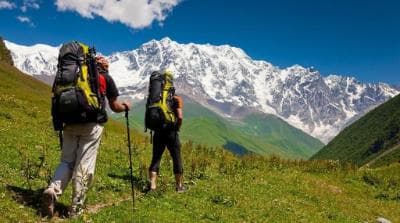
Depending on what is currently permitted, you may be able to explore the area through guided walks, jeep outings or short drives. The experience is often less dense than in core tiger zones, which suits travellers who want a calmer forest mood. It also gives you a better chance to notice plants, riverbeds, sal trees and the changing light of the forest floor.
Temple and local culture
The Sitabani Temple is part of the area’s identity and adds a spiritual dimension to the trip. Many visitors combine a forest outing with a stop here, especially if they like mixing wildlife with local belief systems and simple village surroundings. It is a good reminder that Uttarakhand is as much about culture and community as it is about scenery.
Where to Stay and What a Trip Costs
For most travellers, staying in Ramnagar or in the buffer-area resorts around Corbett makes the most sense. You will find everything from basic guesthouses to comfortable jungle resorts and boutique stays. If you are coming as a family or couple, choosing a property with early breakfast service and safari coordination can make your mornings much easier.
Indicative room rates usually start around ?2,000-?3,500 per night for simple stays and can go up to ?6,000-?12,000 or more for better resorts with meals and forest-facing settings. Budget depends heavily on season, weekend demand and whether you want all meals included. Sitabani outing costs themselves can vary too, especially if you book a vehicle, guide or an organised nature experience, so confirm the current price before you finalise the trip.
| Expense | Indicative range | Notes |
|---|---|---|
| Basic stay | ?2,000-?3,500 per night | Simple guesthouses and budget resorts |
| Mid-range stay | ?4,000-?8,000 per night | Comfortable rooms, meals often extra or bundled |
| Premium resort | ?8,000-?12,000+ per night | Better amenities, landscaped stays, forest views |
| Local transport and nature outing | ?2,500-?6,000 per vehicle or package | Depends on route, guide and permit structure |
A Practical 2-Day Sitabani Itinerary
A short weekend trip works very well here, especially if you are starting from Delhi-NCR or nearby plains cities. You do not need a packed schedule; in fact, the trip is better when you leave some room for slow movement and meal breaks.
- Day 1 morning: Reach Ramnagar by late morning or afternoon, check into your stay, and rest after the drive.
- Day 1 evening: Take a short local visit around the Sitabani area or relax at the resort. If your stay arranges a guided walk or village-side activity, this is a good time for it.
- Day 2 early morning: Start before sunrise for the best forest mood, bird activity and softer light. Carry water and a light jacket in winter.
- Day 2 late morning: Return for breakfast, then either head back to Ramnagar or combine the trip with Corbett, Dhangarhi area stays, or even a longer Kumaon plan.
If you have an extra day, you can extend the trip to Nainital, Garjiya Devi Temple, Corbett Museum or local Kumaon villages depending on your route. That makes the journey more worthwhile if you are coming from far away.
Travel Tips That Will Save You Trouble
- Book early for weekends, long holidays and winter dates, especially if you want a resort with safari coordination.
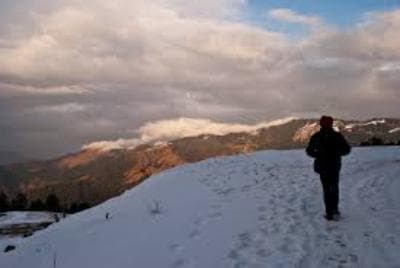
- Carry warm layers from November to February; mornings can feel much colder than the afternoon.
- Do not rely on last-minute safari assumptions. Confirm the latest forest access, permit process and vehicle arrangement before arrival.
- Bring cash as a backup. Digital payments work in many places, but forest-side service points can be unpredictable.
- If you are serious about birding, keep binoculars, a charged phone and a camera with a zoom lens.
- Avoid loud music and unnecessary noise. Sitabani rewards travellers who move quietly and patiently.
Frequently Asked Questions
Is Sitabani Forest Reserve part of Jim Corbett National Park?
Sitabani is closely associated with the broader Corbett landscape, but it is generally treated as a separate forest area with its own access style and local arrangements. The exact rules of entry and activity can differ from the core tiger zones of Jim Corbett National Park. Always check the latest local guidance before planning your visit.
Can you see tigers in Sitabani?
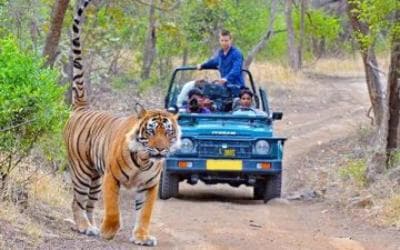
Tiger sightings are not what most travellers should expect here. Sitabani is better known for birds, forest ambience and a more relaxed nature experience. If your main goal is tiger tracking, Corbett’s designated safari zones are usually the better option.
How many days are enough for Sitabani?
One night and two days is enough for a short, satisfying trip. If you want to pair it with Corbett, Ramnagar sightseeing or a Kumaon hill route, then 3-4 days works better. For most Indian weekend travellers, a quick getaway is the sweet spot.
Is Sitabani good for families with children or older travellers?
Yes, especially if you choose a comfortable stay and keep the plan simple. The area is suited to slow travel, light nature outings and short drives rather than tiring activities. Just make sure mobility needs are considered if you are planning walks or uneven forest access.
What should I pack for Sitabani?
Carry light cotton clothes in summer, warm layers in winter, comfortable walking shoes, insect repellent and a water bottle. If you are going in the cooler months, a cap, jacket and closed shoes will help with early morning outings. A small first-aid kit is always sensible.
Are permits or bookings needed in advance?
In many cases, yes, especially during peak season or for organised forest outings. The exact requirement depends on the current access rules, the season and the operator you use. It is best to confirm permit needs, vehicle bookings and timings before you travel.
Final Thoughts
Sitabani Forest Reserve is not about ticking off a long list of attractions. It is about a quieter Uttarakhand experience where the forest, the morning air and the slower rhythm of the place do most of the work. If you want a short break that feels calm, scenic and easy to fit into a weekend, Sitabani is a strong choice.
If this guide helped you plan better, share this post with someone who is thinking about a Uttarakhand trip.
Planning a Uttarakhand trip?
Tell us your dates and who is travelling. Up to three local travel companies send you their itinerary and price.
Get free quotesDisclaimer: The information in this blog is for general information only. We try to keep it accurate and up to date, but TravelSetu accepts no liability for errors or omissions. If you believe any part of it infringes your rights, please write to info@travelsetu.com.