Loneranger2021
★★★★★5.0Wrote on 13 Jul 2021
Must visit place before you die
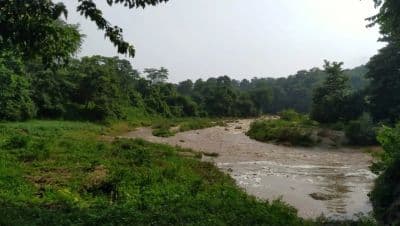
Its good to hear your experiences and I appreciate your review. But sir, I think you made a mistake referring to Simsang river as Simsim. As a citizen of Meghalaya and a member of Garo community I would love to see if you can correct it. Thank you
arun_kolk
★★★★4.0Wrote on 26 Jul 2016
Rich in bio-diversity
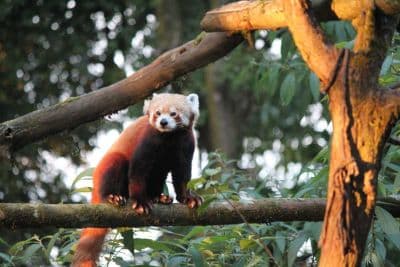
Home of variety of animals includes wild buffaloes, sambar, barking deer, wild boar, slow loris, tigers, leopards, clouded leopards and the rare golden cat...........reptiles like python, king cobra, monitor lizard, etc.Very rare forms of wildlife found in this area, has raised a lot of interest in the eco-tourists.
syamantak_mukherji
★★★★★5.0Wrote on 26 Nov 2014
The Land of Sipirts, Balphakram National Park
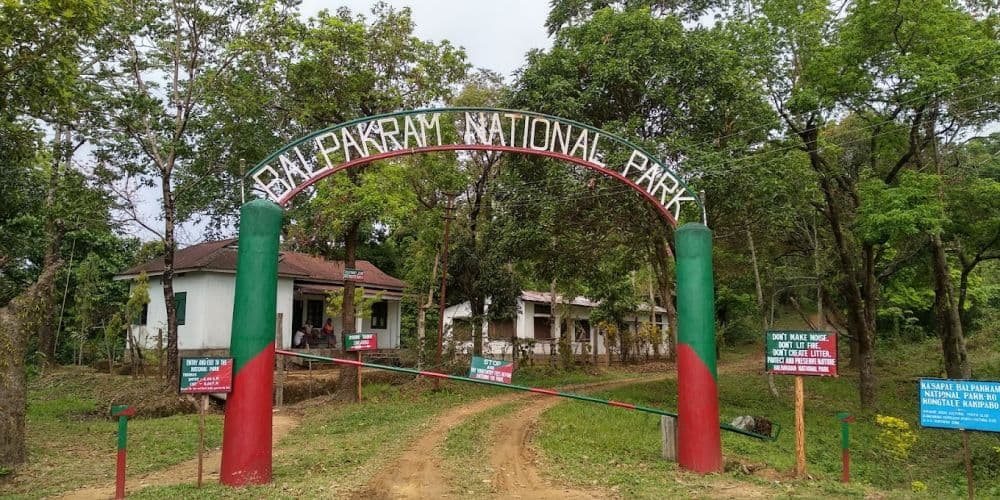
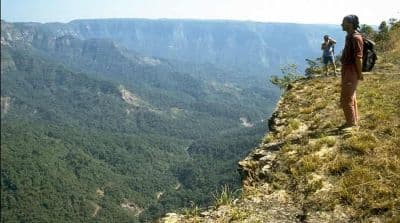
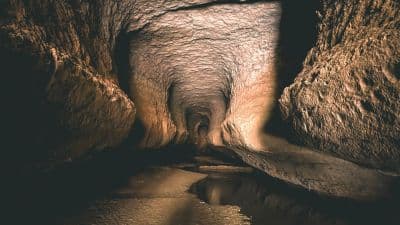
Everybody is so familiar with the Eastern side of Meghalaya with Shillong, Cherapunjee, Mao Lyn Nong, Daoki etc. that they never ever care to visit the Western side of Meghalaya among the Garo Hills where one will get absolutely mesmerised by it's pristine virgin nature. Thus our trip from Guwahati to Tura happend in October. It was a journey for almost seven hours and when we went inside MTDC's Orchid Hotel it was already dusk. It was Durga Puja time and Tura's handsome number of Bengali population was busy creating small pandals and Durga Maa idols. It was autumn and the trees were turning gold. While having Chiken Kapa and Fish Bicchi in dinner the CF Mr. T T C Marak called us and told us that he will come in the next morning and will do the needful for us. Marak is an amazing man and even being so senior an IFS officer always finds time to gel with novice forest lovers like us with a warm smile, his knowledge on the entire terrain is phenomenal. He gave us a gupsy, a brilliant driver Kweith Sangma and a guide called Mohesh Momin. As per his guidance next morning we drove through Nokrek Hills also called Blue Hills and the amazing border road dividing India and Bangladesh and reached Baghmara in the evening. We were destined to stay in Baghmara for two days. Baghmara is a small town hunched by the side of river Sim Sam and caters to the Pitcher Plant forests of India. Amazing insect eating plants everywhere even behind the rocks besides the police station mesmerised us. We continued our journey towards Balphakram after two days and after crossing Panda Village diverted our car to Siju Caves. This was one off experience in my whole lifetime. I had never seen anything like this before. River Sim Sam had permitted its tributaries to flow inside the huge cave carving a continuous rainbow surrounding it like a hallow and soon like kids we were inside the knee deep water within the cave with small hand made bamboo mashals in hand. The cave itself is inhabitated with zillions of bats, almost two thousand species, we were told later, and their swim, droppings and smell literally ravaged the entire place. After a quick bath in the river we continued towards Mahadeo, the entrance to Balphakram and by late afternoon were cushoined inside the fabulous Forest Rest House. Next Morning we were all over this mesmerising national park looking at awe to its varied fauna and flora. There is a road trail inside the forest and if it is dry then you can drive upto a point around 15-20 Kms deep. Balphakram National Park is often referred to as the "abode of perpetual winds" as well as the "land of spirits." as the locals strongly believe that after death the spirits inhabit the place. The forest is also the home to the barking deer and the rare golden cat. Commonly seen are the Wild water buffalos, Elephants and different variety of civets. Many species of cats including Tiger and Marbled cat also are permanent residents of the park. Balpakram, land of the eternal death, according to Garo myth, has a very beautiful landscape and one of the best Canyon around the region. It is famous for unique land formations with surround the mythological stories of the Garos.It is also very famous for pitcher plant and many medicinal plants called 'Dik.ke'. The best time to visit Balphakram National Park, is from the months of October to March when the weather is pleasant with little rainfall. It is the perfect time to watch animals as they come to drink water in the lakes and rivers
Docsport
★★★★★5.0Wrote on 14 Mar 2013
Pristine forest in the North-East
The Balpakram National Park in the South Garo district of Meghalaya is one of the most beautiful but unexplored forest in the country. It is practically adjoining Bangladesh and is reached by way of a beautiful though slightly difficult 8-10 hour drive from Guwahati. The forest in Balpakram is untouched with bare minimum facilities for tourists and only the very committed come here. Known for its elephants, Balpakram also harbours a huge number of birds, butterflies and also the only known ape in India, the Hoolock Gibbon. However, one of the most interesting things to see there are the carnivorous pitcher plant and the Sundew.