Eindu Village (HpaAn) FAQs In 2026 - 2027
Village
10 FAQs on Eindu Village
What is Eindu Village and why is it significant for tourists visiting HpaAn in Myanmar?
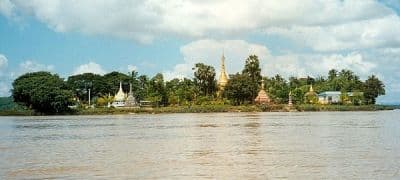
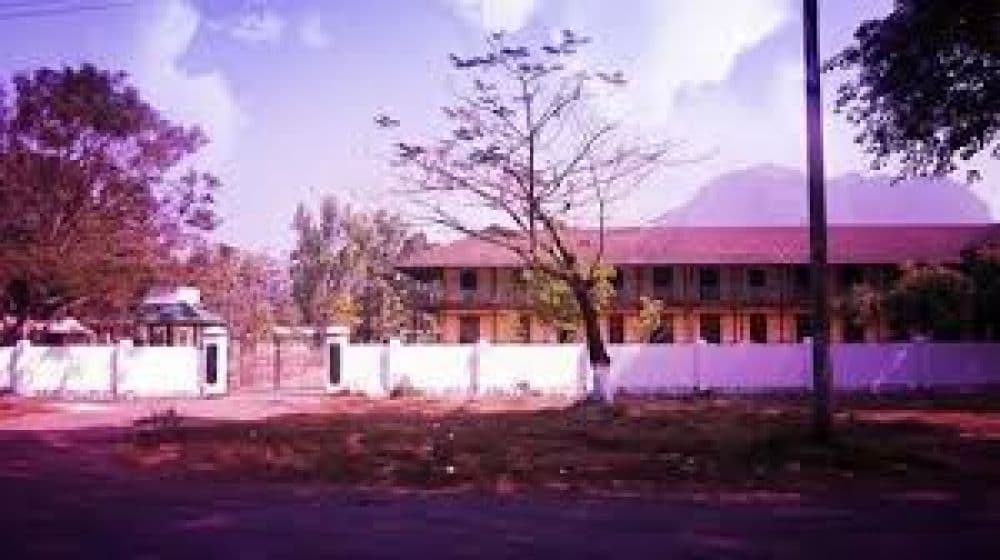
Eindu Village is a picturesque rural settlement located near HpaAn, the capital of Kayin State in Myanmar (Burma). It is significant for tourists as it offers a glimpse into the traditional lifestyle of the Kayin people. Visitors to Eindu Village can observe local agriculture, traditional houses, and scenic surroundings, offering insights into the region's cultural heritage and rural life.
How can tourists reach Eindu Village from HpaAn?
Tourists can reach Eindu Village by hiring a local taxi, motorbike taxi, or arranging a guided tour from HpaAn. It's a short journey, and some visitors might also choose to rent a bicycle or scooter to explore the area at their own pace.
Are there any specific attractions in Eindu Village that tourists should visit?
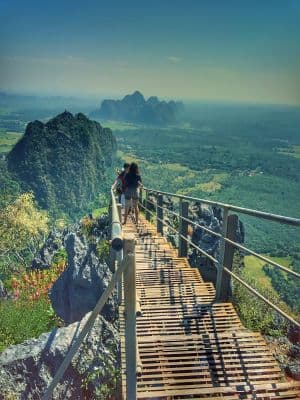
While Eindu Village itself is an attraction for its rural charm and cultural insights, specific points of interest include the local market, traditional Kayin weaving workshops, and nearby natural attractions like limestone caves and scenic rice paddies. The village also serves as a starting point for treks to Mount Zwekabin and other natural landscapes in the region.
Is there a particular time of year that is best for visiting Eindu Village?
The best time to visit Eindu Village is during the dry season, from November to February, when the weather is cooler and more comfortable for outdoor activities. Additionally, the harvest season is a vibrant time to visit when the landscapes are lush and villagers are engaged in agricultural activities.
What kind of accommodations can tourists expect in Eindu Village?
Eindu Village offers a few homestays and guesthouses where tourists can experience local hospitality. For more accommodation options, tourists can stay in HpaAn, which has a wider range of hotels and guesthouses catering to different budgets and preferences.
What language do villagers in Eindu Village speak, and will language be a barrier for tourists?
The primary language spoken in Eindu Village is the Karen (Kayin) language, although some residents may also speak Burmese. English may not be widely understood in the village, so it is advisable for tourists to learn a few basic phrases in Burmese or hire a local guide who can communicate in both English and the local languages.
What should tourists keep in mind regarding local customs and etiquette in Eindu Village?
Tourists should dress conservatively out of respect for the local culture, especially when visiting religious sites. It is also important to ask for permission before taking photos of people or their property. Showing respect, being polite, and adhering to the local customs will ensure a pleasant interaction with the villagers.
Are there any cultural activities or festivals in Eindu Village that tourists can participate in?
Tourists visiting Eindu Village can sometimes participate in local festivals or cultural activities, particularly if their visit coincides with traditional events such as the Karen New Year or other Buddhist festivals. Tourists should check the local festival calendar and plan accordingly to experience these cultural events.
Can tourists contribute to the local economy while visiting Eindu Village?
Yes, tourists can contribute to the local economy by purchasing handicrafts, participating in paid cultural experiences, dining at local eateries, and using the services of local guides and transportation providers. This type of sustainable tourism helps to support the village's livelihood and preserve its cultural heritage.
What should tourists pack when planning a visit to Eindu Village?
When visiting Eindu Village, tourists should pack comfortable clothing suitable for a warm, tropical climate, as well as long sleeves and pants for sun protection and modesty. Essential items include a hat, sunscreen, insect repellent, a reusable water bottle, and any personal medications. Sturdy footwear is advisable for exploring outdoor attractions and participating in treks.
Other Places to Visit in HpaAn
View all places to visit in HpaAn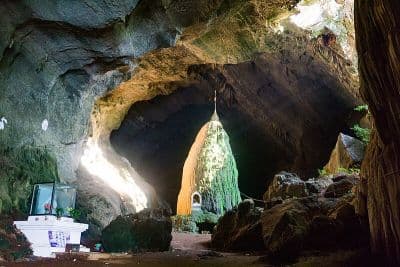
Saddan Cave
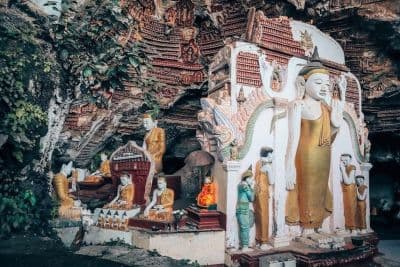
Kawgun Cave
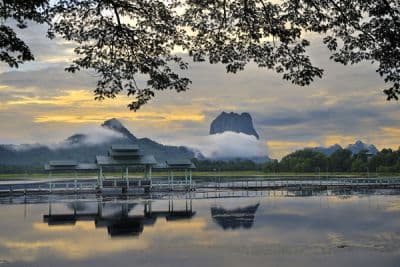
Mount Zwegabin
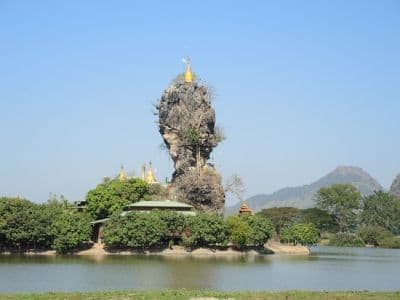
Kyauk Ka Lat Pagoda
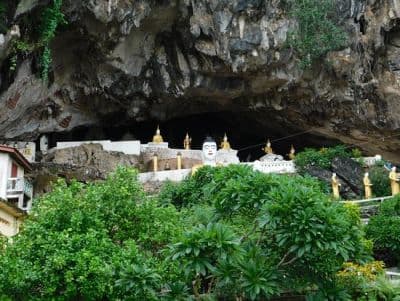
Yathaypyan Cave
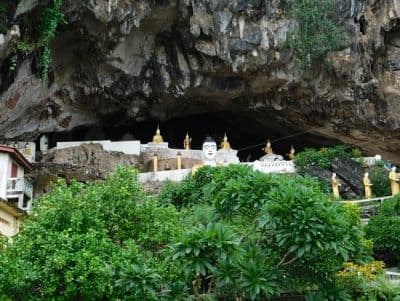
Lumbini Garden

Bayin Nyi Cave and Hot Springs
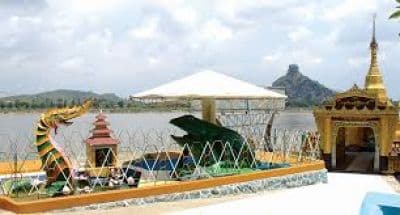
Shwe Yin Myaw Pagoda
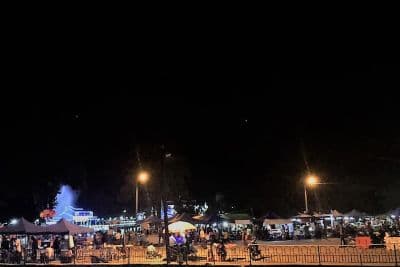
HpaAn Night Market
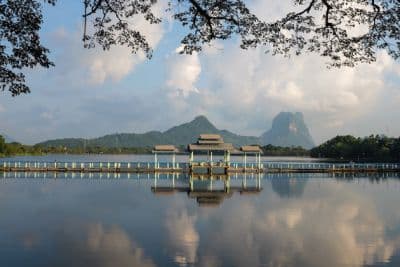
Kan Thar Yar Lake
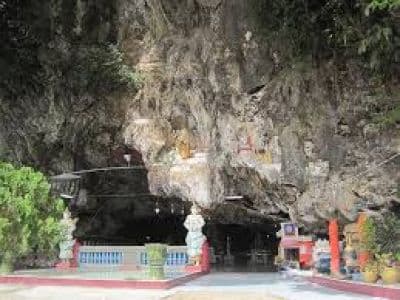
Kaw Ka Taung Cave
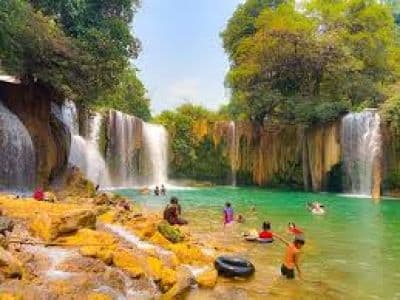
Kyone Htaw Waterfall
Taung Wine Mountain