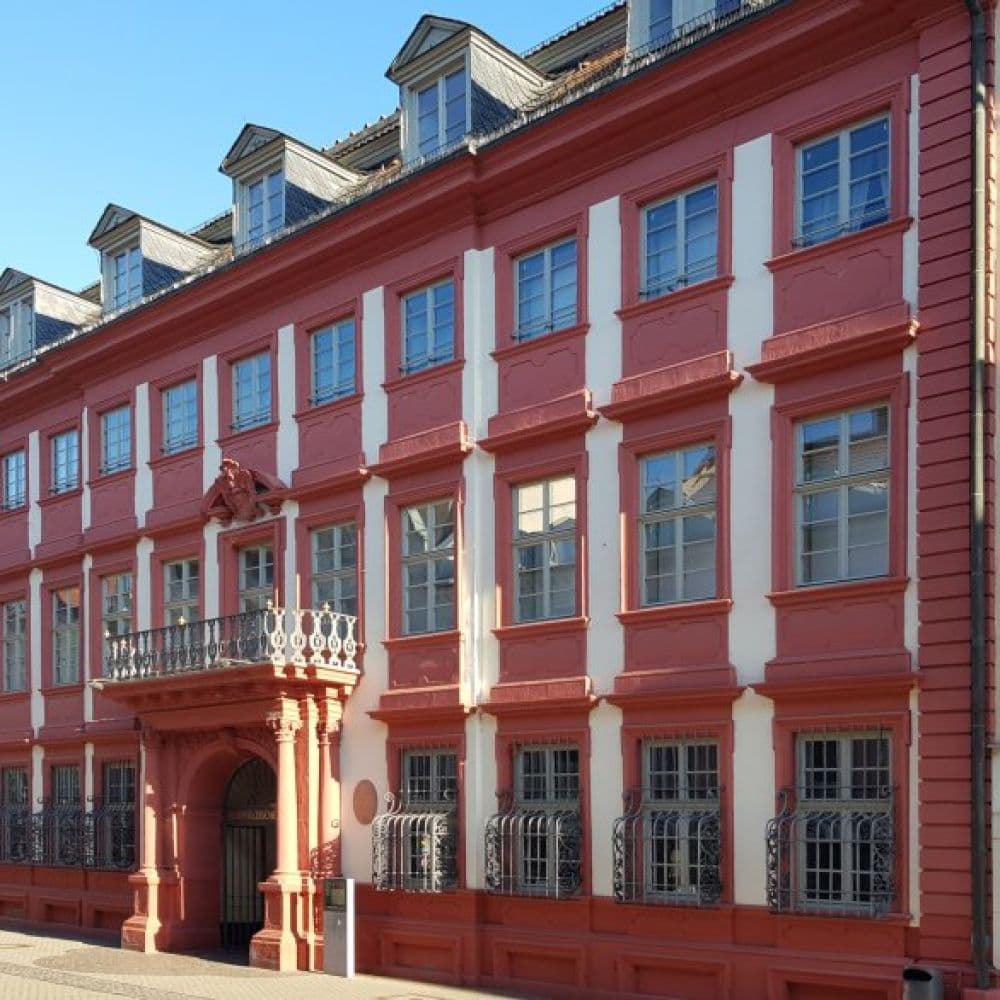
Kurpfalzisches Museum (Palatinate Museum) (Heidelberg) History
History of Kurpfälzisches Museum and Heidelberg Tourism
The Kurpfälzisches Museum (Palatinate Museum) in Heidelberg, Germany, is a historical institution that has played a significant role in the cultural tourism of the city. Established in 1879, the museum is housed in the Morass Palace, a building with its own historical significance, dating back to the 18th century. This museum has been a center of attraction for tourists interested in the art, culture, and history of the Palatinate region of Germany.
Early Development of Tourism in Heidelberg
Heidelberg has long been an important destination for cultural tourism. In the 19th century, the city gained popularity thanks to its romantic associations, being the setting for many stories and paintings that captivated the European imagination. With the founding of the Kurpfälzisches Museum, the city added to its allure by offering visitors a window into the history and art of the region.
Growth of Heidelberg as a Tourist Destination
The tourism industry in Heidelberg grew substantially in the 20th century, especially after World War II. Heidelberg's reputation as one of the few German cities to remain largely undamaged by the war, along with its picturesque setting along the Neckar River and its historical landmarks, such as Heidelberg Castle and the Old Bridge, contributed to a steady increase in visitor numbers.
Current Trends in Heidelberg Tourism
Today, the Kurpfälzisches Museum continues to be an integral part of Heidelberg's tourist offering. In keeping with the latest trends in tourism, the museum has embraced multimedia presentations and interactive exhibits. This technology-enhanced approach has made it possible to engage a younger demographic and appeal to tech-savvy travelers.
The museum's collection includes paintings, sculptures, archaeological artifacts, and exhibits on local history, making it a comprehensive destination for those looking to immerse themselves in the rich culture and heritage of Heidelberg. The famous painting "Monk's Life" by Carl Spitzweg and the "Heidelberg Man" - replica of the lower jaw of a Homo Heidelbergensis - are among the key attractions.
Sustainable Tourism and the Future
Looking ahead, Heidelberg and the Kurpfälzisches Museum are focusing on sustainable tourism, aiming to preserve the city's remarkable heritage for future generations while providing enriching and responsible experiences for visitors. This has involved increasing the museum's green initiatives, promoting eco-friendly transportation in the city, and advocating for the conservation of historical sites.
As a testament to its efforts, Heidelberg was awarded the title of UNESCO City of Literature and continues to play host to a diverse range of cultural events and festivals throughout the year, which enriches its tourism landscape and spreads awareness of the city's intellectual and cultural contributions.
In summary, the Kurpfälzisches Museum not only stands as a beacon of the Rhineland-Palatinate's history but also serves as an essential component of Heidelberg's tourism infrastructure, adapting to contemporary trends and visitor expectations while preserving the essence of its historical legacy.
Other Places to Visit in Heidelberg
View all places to visit in Heidelberg
Heidelberg Castle

Old Bridge (Alte Brucke)

Philosophers' Walk (Philosophenweg)

Heidelberg University and its library

Church of the Holy Spirit (Heiliggeistkirche)
Student Jail
Heidelberg Market Square

Konigstuhl (King's Seat) Mountain

Neckarwiese
Explore Places to Visit Near Kurpfalzisches Museum (Palatinate Museum) by Type



Other Suggested Reads for Kurpfalzisches Museum (Palatinate Museum)
- About Kurpfalzisches Museum (Palatinate Museum) Tourism
- Things to do in Kurpfalzisches Museum (Palatinate Museum)
- How to Reach Kurpfalzisches Museum (Palatinate Museum)
- Best time to Visit Kurpfalzisches Museum (Palatinate Museum)
- Food in Kurpfalzisches Museum (Palatinate Museum)
- FAQs about Kurpfalzisches Museum (Palatinate Museum)
- Kurpfalzisches Museum (Palatinate Museum) Tourist Map