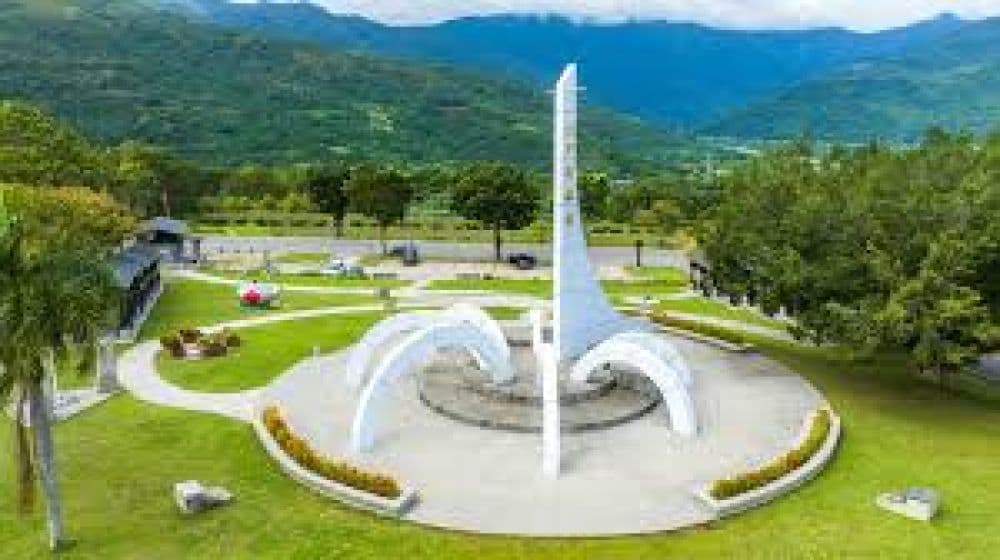
The Tropic Of Cancer Monument (Chiayi) History
The Tropic of Cancer Monument, Chiayi, Taiwan
Introduction
The Tropic of Cancer Monument in Chiayi, Taiwan, marks the geographic boundary where the Tropic of Cancer crosses the island. It is not only a significant geographical landmark but also an important tourist destination, bringing together history, science, and culture.
History of the Monument
The Tropic of Cancer is one of the five major circles of latitude that mark maps of the Earth and indicates the northernmost position at which the sun can be directly overhead. In Taiwan, the Tropic of Cancer passes through Chiayi County, and a monument was erected to denote this important global position. Over the years, the monument has been rebuilt and repositioned several times due to road construction and accuracy improvements.
Tourism History
The earliest version of the monument was constructed during the Japanese rule of Taiwan in the early 20th century. It became a local curiosity, but it wasn't until the late 20th century that efforts were made to develop the site into a tourist destination. The modern monument, featuring an elaborate sundial and park, was developed to promote tourism and educational events related to astronomy and Earth science.
Latest Tourism Trends
In recent years, the Tropic of Cancer Monument has seen an increase in visitor numbers, thanks in part to Taiwan's push to promote domestic tourism. The trend includes:
- Educational Tours: Schools often organize trips to the monument for practical science lessons.
- Interactive Exhibits: Interactive exhibits and augmented reality experiences have been introduced to engage visitors.
- Annual Events: The monument hosts special events during the summer solstice when the sun stands almost directly overhead.
- Local Culture Integration: Visitors also get a chance to explore the local indigenous culture through nearby attractions and events.
Visitor Information
Today, the Tropic of Cancer Monument in Chiayi is equipped with visitor-friendly amenities, including a spacious park, an informational visitor center, and a museum dedicated to the Tropic of Cancer. Visitors can learn about global geography, Taiwanese culture, and even delve into solar observations. The site is accessible by road and has become part of the broader itineraries that include the beautiful sceneries and cultural experiences of Southern Taiwan.
Conclusion
As a unique and educational attraction, the Tropic of Cancer Monument continues to allure tourists interested in geography, astronomy, and culture. With Taiwan's ongoing efforts to enhance its tourism offerings, the monument stands as an exemplary blend of natural science and travel.
Other Places to Visit in Chiayi
View all places to visit in Chiayi
Alishan National Scenic Area

Chiayi Park

Hinoki Village

Chiayi Tower

Alishan Forest Railway Garage Park

Southern Branch of the National Palace Museum

Lantan Reservoir

Wenhua Road Night Market

Wufeng Temple


