If you are planning a Himalayan trek in Uttarakhand and want long alpine meadows, clear views of Trishul and Nanda Ghunti, and a route that feels scenic without being technically difficult, Bedni Bugyal and Ali Bugyal deserve a close look. This guide will help you understand the best season, how to reach the trailhead, what the trek involves, where to stay, and how to plan your budget and fitness level realistically.
Why Bedni Bugyal and Ali Bugyal stand out
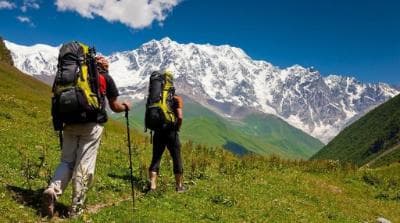
Bedni Bugyal and Ali Bugyal are two of the most beautiful high-altitude meadows in Uttarakhand, usually visited as part of the same trek. They sit in the Chamoli region and are often approached from Lohajung, with the trail passing through forests, ridge walks, and open grasslands that suddenly open up into wide panoramic views. For many Indian trekkers, this route is appealing because it offers a classic Himalayan experience without requiring mountaineering skills.
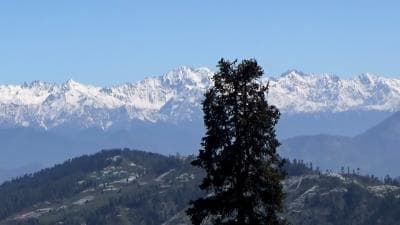
Bedni Bugyal is the more famous of the two in terms of mythology and open views, while Ali Bugyal often feels even more expansive and peaceful once you reach it. Together, they give you a strong sense of what the Garhwal Himalaya looks like in spring and early summer: green slopes, grazing livestock, distant snow peaks, and a clean mountain rhythm that stays with you long after the trek ends.
Best time to plan the trek
The most popular months for Bedni Bugyal and Ali Bugyal are April to June and September to early November. In spring and early summer, the meadows turn bright green and the weather is generally more stable. After the monsoon, the skies can be especially clear, and the mountain views often feel sharper.
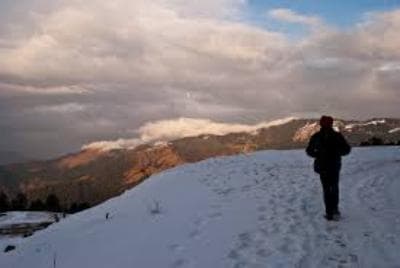
In winter, the area receives snow and the trek becomes more demanding. Snow can make sections slippery and may change access depending on conditions. Monsoon months, especially July and August, can bring landslides on the road to Lohajung and poor visibility on the trail. Always confirm local trail conditions before booking, because weather and access in the Himalaya can change quickly.
How to reach the base point
The usual base for this trek is Lohajung, a small mountain settlement in Chamoli district. Most travellers reach Lohajung via Kathgodam or Rishikesh, depending on where they are coming from. From Kathgodam, the road journey to Lohajung typically takes around 9-11 hours; from Rishikesh, it is often longer and can take 10-12 hours or more, depending on traffic and road conditions.
Many trekkers break the journey with an overnight stop in Dehradun, Rishikesh, or Karnaprayag, especially if they prefer to avoid a very long day of mountain driving. Shared jeeps and private taxis are both used, though availability can vary by season. If you are arranging transport independently, factor in a realistic road-trip budget of Rs.3,500-Rs.7,500 for a private vehicle from a major hill gateway, depending on the pickup point and vehicle type.
Typical trek route and duration
The Bedni Bugyal and Ali Bugyal trek is often done in 4 to 6 days, depending on your pace and whether you include side stretches or longer acclimatisation breaks. A common itinerary from Lohajung looks like this:
- Day 1: Reach Lohajung and rest
- Day 2: Lohajung to Didna or a similar campsite
- Day 3: Didna to Ali Bugyal via the forest and ridge sections
- Day 4: Ali Bugyal to Bedni Bugyal and return to a campsite
- Day 5: Trek back to Lohajung
Some itineraries go to Ghora Lotani and extend further toward the Roopkund side, but if your goal is specifically to experience Bedni and Ali Bugyal, you do not need to push the trek into a much harder version. The trail involves steady ascents, forest paths, and open meadow stretches, so it is suitable for fit beginners who are comfortable walking several hours a day.
The walking distance varies by route choice, but expect a total trekking distance of roughly 30-40 km for a meadow-focused itinerary. Daily walking times usually range from 4 to 7 hours. In the mountains, pace matters more than distance, so keep your expectations realistic and avoid trying to rush through the climb.
What the meadows are like on the ground
Ali Bugyal
Ali Bugyal is the larger open meadow and often feels like a broad green plateau once you step out of the forest. In clear weather, you can see long stretches of rolling grassland with snow peaks in the distance. The walking is gentler here compared with the forest ascent, and the openness makes it a memorable place to stop, rest, and simply take in the landscape.
Bedni Bugyal
Bedni Bugyal is equally striking, with wide views and a slightly different character. It is closely associated with local beliefs and pilgrim culture, and you may hear references to nearby sacred spots and seasonal rituals. The meadow itself is best enjoyed slowly, especially in the early morning or near sunset when the light changes the colour of the grass and mountains.
Between the two, many trekkers feel that Ali is the grander meadow and Bedni the more atmospheric one. If your schedule allows, spending enough time on both gives you the best experience. The weather here can change within minutes, so carry a light rain layer even in the drier months.
Difficulty level, fitness, and altitude
This trek is generally considered moderate. It is not a casual walk, but it is also not a technical climb. The main challenge is the steady gain in altitude, especially if you are coming from the plains. Most trekkers should be comfortable doing a 6-8 km walk on consecutive days before attempting this route.
Altitude sickness is possible because the meadows sit high in the Himalaya. Take the ascent seriously, drink enough water, and avoid overexertion on day one. If you have breathing issues, heart concerns, or a history of altitude problems, speak to a doctor before planning the trek. It is always better to slow down than to push hard and lose a day to fatigue or headache.
Where to stay and what a trek usually costs
Most trekkers stay in tents on the route, while Lohajung offers simple guesthouses and homestays. In peak season, basic homestays in base villages may cost around Rs.1,000-Rs.2,000 per night for a simple room, while trek packages that include food, camping, permits, and guide support commonly fall in the range of Rs.8,000-Rs.15,000 per person for a 4-6 day plan. Costs vary based on group size, season, and inclusions, so always ask what is covered before paying.
If you are booking independently, budget for the following:
| Expense | Indicative cost | Notes |
|---|---|---|
| Transport to Lohajung and back | Rs.3,500-Rs.9,000 | Depends on pickup point, shared vs private vehicle |
| Homestay or guesthouse | Rs.1,000-Rs.2,000 per night | Simple rooms, meals may be extra |
| Trek package | Rs.8,000-Rs.15,000 | Usually includes camping gear, meals, guide, permits |
| Miscellaneous snacks and extras | Rs.500-Rs.1,500 | Keep cash handy; ATMs are not reliable in remote areas |
Prices change by season and operator, so confirm current rates before booking. If you are travelling in a group, the per-person cost usually becomes more manageable.
What to pack for the trek
Mountain weather in Uttarakhand can feel mild in the sun and cold by evening, even in the same day. Pack layers instead of one heavy jacket, because that gives you more flexibility on the trail. Good shoes matter more than almost anything else on this trek; choose trekking shoes with enough grip for wet grass and uneven paths.
- Warm layered clothing and a windproof outer layer
- Comfortable trekking shoes with good grip
- Rain cover or poncho, especially in spring and monsoon-edge months
- Reusable water bottle and oral rehydration salts
- Headlamp, power bank, sunscreen, lip balm, and sunglasses
- Basic first-aid kit and personal medicines
- Cash in small denominations
If you are hiring a trek operator, ask in advance whether tents, sleeping bags, mats, meals, and guide support are included. Some packages also include mule support for equipment, though this depends on route permissions and current conditions.
Local culture, food, and trekking etiquette
This region is not just about views. The villages near the trail have a strong mountain culture, and you will notice that hospitality often comes in the form of tea, simple home-cooked food, and practical help. Eat what is served respectfully and carry your own dry snacks for the trail, because meal timings can be basic and weather-dependent.
Keep the meadows clean. Do not leave plastic wrappers, tissues, or food waste behind, and avoid playing loud music on the trail. The grasslands around Bedni and Ali are fragile, and trekking responsibly helps preserve the route for others. If you meet local shepherds or villagers, a polite greeting goes a long way.
Frequently Asked Questions
Is Bedni Bugyal and Ali Bugyal trek good for beginners?
Yes, it can work well for fit beginners who are ready for a moderate Himalayan trek. The trail is not technical, but the altitude and consecutive walking days still require preparation. If you walk regularly and are comfortable with 4-7 hours of trekking a day, this is a good introduction to Uttarakhand’s high meadows.
How many days do I need for this trek?
Plan for at least 4 days, and 5 to 6 days is more comfortable if you want a relaxed pace. The actual walking time depends on your route and weather conditions. Adding an extra buffer day is smart if you are travelling from far away or during uncertain weather.
Can I do this trek without a guide?
Some experienced trekkers may prefer a self-supported approach, but a guide is strongly recommended if you are unfamiliar with the region. Trail conditions can change, and local knowledge is useful for campsite choices, weather decisions, and route clarity. If this is your first serious Himalayan trek, booking through a reliable operator is the safer option.
What is the nearest railhead and airport?
Kathgodam is one of the most commonly used railheads for this side of Uttarakhand. The nearest airport option for many travellers is Dehradun, though getting from there to Lohajung still involves a long mountain drive. Confirm the most practical route based on your starting city and travel dates.
Is there mobile network on the route?
Expect patchy connectivity once you leave the larger towns. Lohajung may have limited network access depending on your provider, but the meadows themselves are not reliable for calls or data. Tell family members in advance that you may be offline for a few days.
What should I do if the weather turns bad?
Follow your guide’s advice and do not try to force the itinerary. In the Himalaya, rain, fog, or snow can make the trail slower and less safe, and changing plans is normal. Keep an extra buffer day if possible so your trip does not feel rushed if conditions shift.
Conclusion
Bedni Bugyal and Ali Bugyal offer one of the most rewarding meadow treks in Uttarakhand: scenic, manageable, and full of open Himalayan beauty without demanding advanced trekking skills. If you want a trek that combines wide landscapes, village life, and a strong sense of Garhwal’s high-altitude character, this route is a very good choice.
If you found this guide useful, please share the post with fellow travellers planning a Uttarakhand trek.
Planning a Uttarakhand trip?
Tell us your dates and who is travelling. Up to three local travel companies send you their itinerary and price.
Get free quotesDisclaimer: The information in this blog is for general information only. We try to keep it accurate and up to date, but TravelSetu accepts no liability for errors or omissions. If you believe any part of it infringes your rights, please write to info@travelsetu.com.