If you are planning a monsoon trip in Uttarakhand and want something quieter, greener and more rewarding than a rushed hill-station holiday, Bhyundar Valley and the Valley of Flowers area should be high on your list. This guide is written for Indian travellers who want clear, practical advice on when to go, how to get there, what it costs, and what to expect on the trail.
You will come away knowing how to plan the journey from Haridwar, Rishikesh or Joshimath, how much walking is involved, where to stay, what to carry, and how to make the most of the blooming season without underestimating the mountain weather.
What Bhyundar Valley Means for Travellers
Bhyundar Valley sits in Chamoli district in Uttarakhand and acts as the approach route to the famous Valley of Flowers. Many travellers use the name informally for the whole upper valley stretch around Govindghat, Ghangaria and the trail leading onward to the flower meadow. This is not a place for casual sightseeing by car; it is a walking destination where the landscape changes quickly from road-access villages to forested paths, river crossings and alpine meadows.
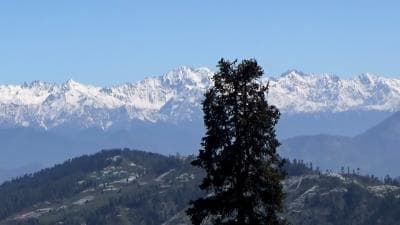
What makes the area special is the contrast. One day you may be in the busy pilgrimage corridor around Joshimath, and a few hours later you are walking beside the Pushpawati river, with pine, birch and wildflowers around you. During the right weeks, the meadows bloom in layers of colour, and the valley feels very different from the more commercial hill towns of Uttarakhand.
Best Time to Visit for Flowers and Clear Weather
The Valley of Flowers is usually open from around June to early October, with the best flower display often coming between mid-July and late August. Early season gives you snowmelt, fresh green slopes and fewer blooms. Peak monsoon weeks bring the widest variety of flowers, but also the highest chance of rain, slush and slippery trails.
Month-by-month expectations
- June: Snowmelt, waterfalls and a fresh landscape; fewer flowers, but easier trails than later monsoon weeks in some years.
- July: Flowers begin appearing in larger numbers; rain is common, so carry waterproof gear.
- August: Often the most colourful period, though trails can be wet and cloud cover may limit views.
- September: Cleaner skies on some days, fewer flowers, cooler temperatures and a calmer atmosphere.
If your main goal is photography of the meadows, aim for mid-July to late August. If you prefer clearer walking conditions and do not mind fewer blooms, early June or early September can work better. Weather in the Himalaya changes fast, so always confirm local conditions before booking transport and stays.
How to Reach Bhyundar Valley
The usual route starts from the plains and moves up through Rishikesh, Srinagar and Joshimath to Govindghat. From Govindghat, you continue by foot or pony to Ghangaria, which is the main base for both Valley of Flowers and Hemkund Sahib. Road distance from Rishikesh to Govindghat is roughly 270-300 km, and the drive usually takes 10-13 hours depending on traffic, landslides and roadwork.
Typical travel route
- Travel to Rishikesh or Haridwar by train or bus.
- Take a shared taxi, bus or private cab to Joshimath.
- Continue to Govindghat by road.
- Walk the 10-13 km trail from Govindghat to Ghangaria.
- From Ghangaria, take the designated route into Valley of Flowers.
The approach road is mountain driving, so do not expect exact timings to hold. During the rainy season, a short distance can take much longer than planned. If you are travelling with elderly family members, allow extra buffer time and try to reach Joshimath a day before your onward ascent.
The Trek: What the Trail Feels Like
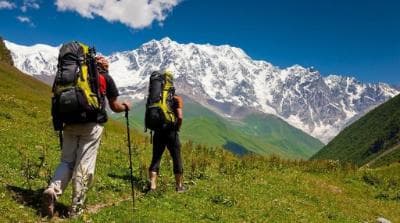
The Govindghat to Ghangaria stretch is the main effort for most visitors. It is a steady uphill walk of around 10-13 km, usually taking 4-7 hours depending on pace, fitness and weather. The route is well-used, and you will see trekkers, pilgrims, porters, ponies and dhabas along the way. It is not a technical trek, but it does demand stamina, especially if you are not used to hill walking.
From Ghangaria to Valley of Flowers, the walk is generally around 3-4 km one way, with gentle-to-moderate ascent on a marked trail. People often underestimate this section because it looks short on paper, but the full outing becomes a long day once you factor in entry checks, pauses for photos and the return walk. Plan for a full day if you want to explore the meadows without rushing.
Fitness and pace
If you can comfortably walk 6-8 km on flat ground, you can prepare for this trip with some training. Add stair climbing, brisk walking and a few practice hikes before departure. For families travelling with children or older adults, hire a porter or pony only after checking the person’s comfort, the weather and the load you expect to carry.
Where to Stay: Govindghat, Ghangaria and Joshimath
Most travellers stay in Joshimath on the way in or out, and in Ghangaria for the trek itself. Joshimath has more choice, better food options and relatively more comfort. Ghangaria is basic but practical, with lodges, guesthouses and simple meals geared toward trekkers and pilgrims.
| Base | Best for | Approx. cost per night | Notes |
|---|---|---|---|
| Joshimath | Comfort and transit stopovers | Rs.1,500-Rs.4,000 | Better facilities, useful before and after the trek |
| Govindghat | Quick start next morning | Rs.1,000-Rs.2,500 | Good for an early ascent, but limited compared with Joshimath |
| Ghangaria | Main trekking base | Rs.1,200-Rs.3,500 | Book ahead in peak season; basic amenities |
In peak bloom weeks, rooms can fill quickly, so booking in advance is wise. If you prefer a smoother experience, spend one night in Joshimath before heading to Govindghat, then another in Ghangaria, and return to Joshimath after the valley visit.
Costs You Should Budget For
A realistic budget for a short trip to Bhyundar Valley depends on your transport style, hotel category and whether you hire porters or ponies. For an economical two-night, three-day trip from Rishikesh or Haridwar, a solo traveller may spend around Rs.6,000-Rs.12,000 excluding long-distance train or flight tickets. A more comfortable couple’s trip can easily move into the Rs.12,000-Rs.25,000 range per person depending on transport and room choice.
- Road transport: Shared jeeps and buses are cheaper; private cabs from Rishikesh or Haridwar to Joshimath/Govindghat can cost roughly Rs.6,500-Rs.12,000 one way depending on vehicle and season.
- Accommodation: Expect Rs.1,200-Rs.4,000 per night in most basic-to-midrange places.
- Meals: Simple meals may cost Rs.200-Rs.500 per person at local eateries and lodges.
- Entry and local charges: Fees, permits, and any local services can change; keep a buffer and confirm current rates before travel.
- Ponies/porters: Useful for some travellers, but prices vary by season and load, so negotiate respectfully and check the going rate locally.
Do not budget too tightly for a monsoon trip. Rain can lead to delays, extra nights and last-minute changes to transport. Keeping an emergency buffer is sensible in this part of Uttarakhand.
What to Pack for the Valley
The right packing list matters more here than on a regular hill holiday. You will likely deal with rain, mud, cold mornings and a lot of walking. A small, well-packed rucksack works better than a large suitcase.
- Waterproof jacket or poncho
- Quick-dry clothes and an extra pair of socks
- Good trekking shoes with grip
- Small torch or headlamp
- Reusable water bottle
- Basic medicines and any personal prescriptions
- Power bank
- Cap, sunscreen and light gloves if you feel cold easily
- Plastic bags for wet clothes
Carry only what you can manage comfortably. If you are changing from road transport to trekking at Govindghat, bulky luggage becomes a headache. Many travellers leave unnecessary items at their hotel in Joshimath and travel light to Ghangaria.
How to Make the Most of the Flower Season
Start early. Morning light is softer, weather is usually more stable, and the trail is less crowded. Once you enter the valley, walk slowly and look beyond the obvious flower patches. The beauty here lies in the details: tiny alpine blossoms, wet stones, the shape of the stream, and the wide sweep of the meadow after a rain shower.
Photography and responsible travel
If you are carrying a camera, a lightweight rain cover is worth it. Avoid stepping off the marked route just for a photo, because the vegetation is fragile and the area is protected. Do not pluck flowers, feed wildlife or leave waste behind. Small actions matter here more than in a regular tourist spot because the ecosystem is delicate and access is tightly managed.
Also, remember that you are in a high-altitude, weather-sensitive landscape. If clouds close in or rain becomes heavy, do not force a long stay in the valley. Getting back safely should always matter more than trying to stretch your outing by an hour.
Frequently Asked Questions
How difficult is the Bhyundar Valley trek?
The trek is moderate, not extreme, but it does require decent fitness. The climb from Govindghat to Ghangaria is the most demanding part for most travellers. If you walk regularly and take it at a steady pace, you should manage it without special trekking experience.
Is the Valley of Flowers suitable for a family trip?
Yes, many families visit, including older travellers, provided they plan well and avoid overpacking the schedule. It helps to split the journey with an overnight stop in Joshimath. Children should be supervised closely on the trail, especially in wet weather.
What is the best month for flowers?
For the richest bloom, mid-July to late August is usually the best window. That said, the exact flower display changes every year based on rain, temperature and snowmelt. If you want more stable weather and fewer crowds, early September is worth considering.
Can I do the trip without a package?
Yes, you can plan it independently using public transport, shared jeeps and local stays. A package can still be helpful if you want a smoother logistics chain, especially during peak season or if you are travelling with elders. Independent travel gives more flexibility, but it also means you must confirm permits, timings and room availability yourself.
How many days should I keep for this trip?
Keep at least 3 to 4 days from Rishikesh or Haridwar, and more if you are travelling from Delhi and want a relaxed pace. That usually gives you enough time for the road journey, one night at the base, the valley visit and a safe return. If you also want Hemkund Sahib, add another day.
Is mobile network available in the area?
Coverage can be patchy in the upper stretches, and it is wiser not to depend on constant connectivity. Download maps, keep offline copies of bookings and inform family members of your travel plan in advance. In the mountains, a weak signal is normal, not a problem to solve on the spot.
Final Thoughts
Bhyundar Valley is one of those Uttarakhand journeys that rewards planning. If you choose the right season, travel light, allow enough time and respect the mountain conditions, you get a rare mix of pilgrimage-route energy, alpine scenery and flower-filled meadows in one trip. For Indian travellers who want a nature-first experience without overcomplicating logistics, it is one of the most satisfying monsoon escapes in the state.
Share this post with someone who is planning a Uttarakhand trip and would love to see the flowers of Bhyundar Valley at the right time.
Planning a Uttarakhand trip?
Tell us your dates and who is travelling. Up to three local travel companies send you their itinerary and price.
Get free quotesDisclaimer: The information in this blog is for general information only. We try to keep it accurate and up to date, but TravelSetu accepts no liability for errors or omissions. If you believe any part of it infringes your rights, please write to info@travelsetu.com.