Chaudans Valley Guide
If you are planning a serious mountain trip in Uttarakhand and want something quieter than the usual tourist circuit, Chaudans Valley deserves your attention. This guide is written for Indian travellers who want to understand how to reach the valley, when to go, what it feels like on the ground, and how to plan it without guesswork.
Chaudans is not the kind of place you visit for a quick weekend photo stop. It is part of the borderland landscape of Pithoragarh district, where the road itself becomes part of the experience, and the journey needs more preparation than a regular hill trip. By the end of this article, you will have a realistic idea of routes, stay options, weather, permits, costs, and how to combine Chaudans with other parts of eastern Uttarakhand.
Where Chaudans Valley Is and Why It Feels Different
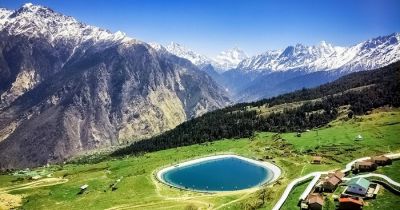
Chaudans Valley lies in Pithoragarh district, in the eastern side of Uttarakhand, close to the Dhaula and Kali river systems and not far from the India-Nepal border region. It is one of those mountain valleys where roads, weather, and local life matter more than sightseeing lists. For many travellers, the appeal is exactly that: fewer crowds, dramatic terrain, and a chance to see life in a remote Himalayan valley without commercial noise.
The valley is best approached through the Dharchula side, which is around 90-100 km from Pithoragarh town by road, depending on the exact route and road conditions. From Dharchula, onward movement into the valley area can be slower because the roads are narrow and weather-sensitive. Plan your trip assuming mountain speeds, not plains-style driving.
Best Time to Visit Chaudans Valley
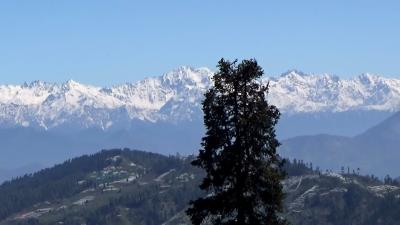
The safest and most comfortable window is usually April to June and then September to mid-November. These months generally offer clearer roads, better visibility, and pleasant daytime temperatures for travel and village walks. If you want cleaner mountain skies and strong views, the post-monsoon season is often the better bet.
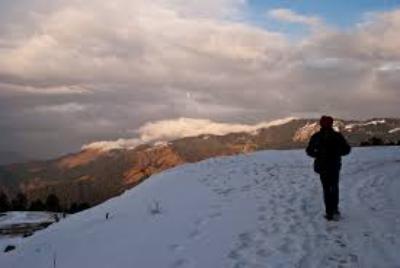
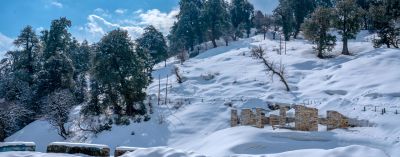
Monsoon, roughly July to August, can make travel uncertain because landslides and road blocks are common in many parts of Uttarakhand, especially on remote mountain stretches. Winter, especially from late December to February, can bring heavy cold and in some pockets snow or icy conditions. If you are not used to driving in hill winter conditions, avoid self-driving deep into the valley during that period.
| Season | What to expect | Travel advice |
|---|---|---|
| April to June | Clear weather, moderate temperatures, good road access | Best for first-time visitors |
| July to August | Rain, landslide risk, slippery roads | Travel only with buffer days |
| September to November | Excellent visibility, crisp air, comfortable days | Great for photography and longer stays |
| December to February | Cold, possible snow at higher points, difficult driving | Go prepared or avoid if you are inexperienced |
How to Reach Chaudans Valley
The usual route is by road via Pithoragarh and Dharchula. Most travellers reach Pithoragarh first by overnight bus, shared taxi, or private cab from Kathgodam, Haldwani, Almora, or Tanakpur side. From there, you continue to Dharchula and then onward towards the valley road network.
By train
The nearest major railheads are usually Tanakpur and Kathgodam. Tanakpur is closer to the eastern Kumaon belt in general, while Kathgodam has more frequent travel links from North India. From either station, you will still need a road journey of several hours to reach Pithoragarh and then Dharchula.
By road
From Kathgodam or Haldwani, expect a full-day road journey to Pithoragarh, often around 8-10 hours depending on traffic and stoppages. From Pithoragarh to Dharchula, the drive can take another 4-6 hours or more. If roadwork, rain, or traffic slow things down, add extra time and avoid tight same-day planning.
By air
The nearest airport option is usually Pantnagar Airport, but it is still a long road transfer from the mountain belt. For most travellers, the road and rail combination is more practical than trying to optimize for a flight. If you are booking through a tour operator, ask them to build in a buffer for mountain delays.
What to Expect in the Valley
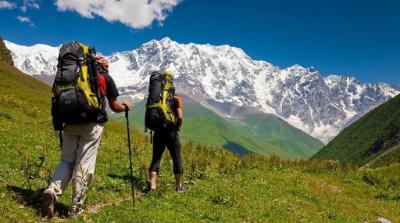
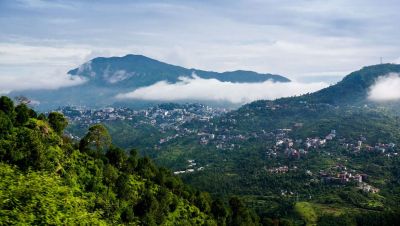
Chaudans is best understood as a remote Himalayan valley landscape rather than a heavily developed tourist destination. You will find village settlements, terraced slopes, river valleys, and a strong sense of local routine. The pace is slower, shops are limited, and services are basic compared with places like Nainital or Mussoorie.
This makes the valley ideal for travellers who enjoy quiet, landscape-driven trips, light trekking, village interaction, and long scenic drives. It is less suitable if you need resort-style comfort, constant mobile network, or multiple dining choices. Think of it as a destination for observation, not consumption.
Places and Experiences to Include in Your Plan
Since Chaudans is remote, it works best as part of a broader Pithoragarh circuit. Depending on road access and your interests, you can combine it with Dharchula, Pithoragarh town, and in some cases nearby valley regions in the district. Local route conditions decide how far you can comfortably go, so keep your itinerary flexible.
Village walks and local life
One of the best things to do here is simply walk through the villages and observe daily life. You will see stone houses, terraced farming patches, small temples, and the practical details of mountain living that rarely make it into glossy travel posts. Speak to locals politely, ask before taking photographs, and keep your expectations simple.
River and ridge viewpoints
The valley’s beauty often lies in road bends, ridge viewpoints, and river-facing stretches rather than officially marked tourist spots. Stop safely at designated pull-offs, especially if you are in a private vehicle. Light changes quickly in these valleys, so early morning and late afternoon are often the best times to enjoy the scenery.
Short nature walks
If you are reasonably fit, short walks around settled areas can be more rewarding than trying to overpack the day. The altitude and road conditions are manageable for most travellers who are used to hill trips, but you should still move at a slow pace. Carry water and basic snacks, because roadside availability can be limited in remote stretches.
Where to Stay and What It Costs
Accommodation in and around remote areas of Chaudans is usually basic and often family-run. In nearby hubs such as Dharchula or Pithoragarh, you will find more options, including simple hotels, guesthouses, and homestays. For better comfort and easier food access, many travellers prefer to base themselves in Dharchula and make day excursions outward.
Indicative cost ranges are usually as follows: ?1,200-?2,500 per night for simple guesthouses or homestays, ?2,500-?4,000 per night for cleaner mid-range stays, and higher during peak dates or when supply is limited. In very remote pockets, availability can be unpredictable, so book ahead and confirm the exact location before you pay.
Food is generally simple Kumaoni and North Indian fare. Expect dal, rice, roti, seasonal vegetables, and basic tea-shop snacks. Budget roughly ?400-?800 per person per day for food if you are not staying on a full-board package. Keep some cash with you because digital payment may be inconsistent in remote areas.
Permits, Connectivity, and Practical Travel Tips
Because Chaudans lies in a border-sensitive region of Uttarakhand, travel rules and entry requirements can change. Some stretches in the broader border belt may require local permissions, identity checks, or route-specific clearance depending on current administrative rules. Always confirm the latest permit situation with your hotel, local tourism office, or travel operator before booking.
Network coverage can be patchy. Do not assume that your phone will work throughout the trip. Inform family about your route in advance, download offline maps, and keep one power bank for each day of travel if possible. Fuel up before entering remote stretches, and do not wait for the last moment to buy essentials.
A few sensible travel habits make a big difference in Chaudans:
- Start early in the morning to avoid driving after dark.
- Carry warm layers even in summer, because mountain evenings can turn chilly.
- Keep medicines for motion sickness, headache, and stomach discomfort.
- Carry enough cash for fuel, food, and stay deposits.
- Check road status with locals on the day you travel.
Suggested Itinerary for a Short Trip
If you are coming from the plains, a 4 to 6 day trip is more realistic than trying to rush it. Here is a simple format that works well for many travellers:
- Day 1: Reach Kathgodam or Tanakpur area and move towards Pithoragarh.
- Day 2: Continue to Dharchula and rest overnight.
- Day 3: Move towards Chaudans Valley and spend the day exploring local settlements and viewpoints.
- Day 4: Slow return with a stop in Dharchula or nearby.
- Day 5-6: Add buffer time if roads are slow, or combine with other Kumaon stops.
This kind of itinerary is better than trying to cover too much in one go. Remote hill travel is not about checking off places; it is about giving yourself room for road delays, weather changes, and rest.
Budget Planning for Indian Travellers
For a practical trip to Chaudans Valley, a budget traveller might spend around ?6,000-?10,000 per person for a short shared journey excluding long-distance train tickets from home city. A more comfortable mid-range trip with private cabs and better stays can easily go up to ?12,000-?20,000 per person or more, depending on group size and season.
Your biggest costs will usually be transport and private vehicle hire, not food. If you are travelling in a small group, the per-person price often drops significantly. Shared travel is possible in some corridors, but in remote areas flexibility is more important than squeezing every rupee.
Frequently Asked Questions
Is Chaudans Valley safe for first-time Uttarakhand travellers?
It can be safe if you travel with preparation, patience, and flexible timing. The main challenges are road conditions, remoteness, and weather, not urban-style safety concerns. First-time travellers should avoid unrealistic same-day plans and should keep a buffer day in the itinerary.
Do I need a permit to visit Chaudans Valley?
Permit requirements can change because the region lies close to border areas. Some stretches may need local checks or permissions depending on current rules. Confirm with your hotel, local administration, or a reliable travel operator before you leave.
What is the nearest major town to stay in?
Dharchula is often the most practical base for exploring this side of Pithoragarh district. It offers better access to food, stays, and onward travel than more remote village pockets. Pithoragarh town is another useful stop if you want a broader service network.
Can I visit Chaudans Valley in winter?
You can, but it is not the easiest season unless you are experienced with hill travel and cold conditions. Roads can become tricky, and temperatures drop sharply. For a smoother first visit, spring or post-monsoon months are better.
Is mobile network available in the valley?
Coverage is patchy and should not be relied upon continuously. Some points may have signal, while others may not. Download maps and inform family before entering remote stretches.
What kind of traveller will enjoy this trip most?
Travellers who enjoy quiet roads, mountain villages, and slower, more authentic landscapes usually love Chaudans. It suits photographers, road-trip lovers, and people who prefer experience over packaged sightseeing. If you want nightlife, frequent cafés, or shopping, this is not the right match.
Conclusion
Chaudans Valley is one of those Uttarakhand journeys that rewards preparation. If you give it enough time, travel in the right season, and keep your expectations realistic, you get a rare look at a remote Kumaon borderland that feels far from the usual hill-station circuit.
If you found this Chaudans Valley guide useful, share this post with someone planning a Uttarakhand trip.
Disclaimer : The information provided in this blog is for general informational purposes only. While we strive to keep the content accurate and updated, TravelSetu assumes no liability for errors or omissions. If you believe any part of this blog infringes your rights or causes concern, please notify us immediately at info[at]travelsetu[dot]com so that appropriate action can be taken.