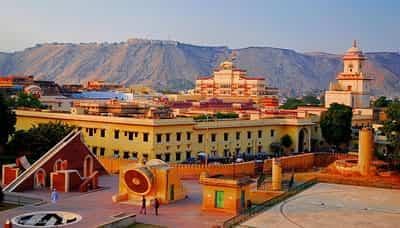
If you are planning a Rajasthan trip and want something beyond the usual palace circuit, Churu deserves a place on your itinerary. This is the kind of town that helps you understand the Marwar and Shekhawati edge of Rajasthan in one sweep: painted havelis, old wells, quiet lanes, desert light, and an easy route into the Thar. In this guide, you will get a practical feel for what Churu offers, when to go, how long to stay, what to see nearby, and how to plan a comfortable trip from major Indian cities.
Why Churu Matters on a Rajasthan Trip
Churu sits in northwestern Rajasthan and often works as a stop between the Shekhawati towns and the desert belt stretching toward Bikaner and Jaisalmer. For Indian travellers who want heritage without the heavy crowds of the larger cities, it offers a calmer, more local experience. You get frescoed mansions, sand-laden air, traditional markets, and a sense of the Thar’s edge without needing to go deep into the desert immediately.
Churu is especially useful if you are building a Rajasthan route by road or rail. It is connected enough to be convenient, yet different enough to feel like a discovery. Many travellers visit for a day, but if you stay one night, you can enjoy the town at a slower pace and use it as a base for nearby heritage stops.
What Churu Feels Like on the Ground
Churu is a small city with a very human scale. You will notice narrow streets, local bazaars, old business families, and havelis that still show the wealth of the trading era. The climate is dry for much of the year, and the light can be sharp and beautiful in the early morning and late afternoon.
This is not a place for rushing from one monument to another. The pleasure of Churu lies in slow walking, looking up at old facades, pausing for tea, and taking short drives into surrounding villages. If you enjoy architecture, photography, and ordinary local life, Churu will feel rewarding.
Best Time to Visit Churu
The most comfortable months are from October to March, when daytime temperatures are gentler and sightseeing is easier. December and January can be quite cold in the mornings and evenings, so carry a light woollens layer if you are visiting then. Summer, especially from April to June, can be very harsh in this part of Rajasthan, with high daytime heat and dry winds.
If you want the best balance of weather and colour, plan for November to February. The desert air is clearer, the streets are easier to explore on foot, and road journeys feel more manageable. Monsoon rainfall is limited and uneven, so do not rely on it to cool the region much.
How to Reach Churu
Churu is reasonably connected by road and rail, which makes it practical for travellers from Delhi, Jaipur, and other north Indian cities. Travel times can vary depending on traffic and train availability, so treat them as approximate.
| Route | Approximate distance | Typical travel time | Notes |
|---|---|---|---|
| Jaipur to Churu | around 200 km | 4.5-6 hours by road | Good for a road trip or as part of a Shekhawati loop |
| Delhi to Churu | around 250-280 km | 5-7 hours by road | Best if you are combining with Rajasthan’s northwestern belt |
| Bikaner to Churu | around 160 km | 3.5-4.5 hours by road | Useful for a desert circuit |
| By train | Varies by origin | Depends on route and train | Check current schedules before booking |
Many travellers prefer to arrive by train or private cab and then move around locally by hired car or auto-rickshaw. If you are self-driving, the roads are generally straightforward, but you should start early if you want to avoid evening traffic and maximise daylight for sightseeing.
Top Things to Do in Churu
1. Explore the havelis and old lanes
The most memorable part of Churu is its heritage architecture. The town has several old havelis decorated with painted walls, carved windows, and detailed facades that reflect the trading wealth of earlier generations. Even when some buildings are closed or partly lived in, walking the lanes gives you a strong sense of the town’s past.
Take your time around the older quarters rather than trying to tick off every structure. A relaxed walk will reveal painted balconies, courtyard homes, old doors, and temple fronts that are easy to miss when you move too quickly.
2. Visit local forts and heritage structures
Churu and its nearby area have forts and old residential structures that speak to the region’s defensive and mercantile history. These are usually better appreciated as part of a broader heritage walk rather than as standalone monuments. Ask locals or your driver about what is currently accessible, because opening hours and upkeep can change.
If you are interested in old Rajasthan, this is a good place to see how everyday commerce, family wealth, and defence shaped town planning.
3. Spend time in the market
The local market is one of the easiest ways to understand the town. You can browse for everyday items, Rajasthani snacks, textiles, and simple souvenirs. Tea stalls and small eateries are also good places to observe local life and break up your day.
Do not expect a polished tourist market. The appeal here lies in authenticity, not in curated shopping lanes.
4. Use Churu as a photography stop
Morning and evening light work best here. The dry climate, pastel walls, and open streets give you strong composition opportunities, especially if you like architectural details. The town also works well for black-and-white or warm-toned photography, since the textures of stone and plaster show beautifully in soft light.
Day Trips and Nearby Stops from Churu
One reason to stay in Churu is that it sits within reach of several interesting Rajasthan stops. You can do a short loop depending on your interests and time available.
- Fatehpur - Known for heritage havelis and fresco work, roughly an hour or so away by road depending on your starting point and route.
- Jhunjhunu - A strong Shekhawati stop with painted mansions and old temples, often used on combined heritage circuits.
- Bikaner - A fuller desert-city experience with fort architecture, food, and easy access to camel country.
- Tal Chhapar - A well-known grassland and wildlife area for blackbuck viewing, often paired with Churu for travellers who want a nature break.
If your schedule allows, the best approach is to build a 2-3 day route rather than doing everything as a single rushed day trip. For example, you could spend a night in Churu, then continue toward Bikaner or loop back through Shekhawati townships.
Where to Stay and What It Costs
Accommodation in Churu is usually practical rather than extravagant. You will find budget hotels, mid-range stays, and a few heritage-style options in the broader region. For most travellers, a clean mid-range hotel is the best value, especially if your plan is to explore rather than lounge at the property.
Indicative room rates are often around Rs.1,200-Rs.2,500 per night for budget stays, Rs.2,500-Rs.4,500 per night for decent mid-range hotels, and higher for heritage properties where available. Prices can rise during peak winter travel periods and local event dates, so confirm before booking.
If you are travelling as a family, ask in advance about parking, hot water, attached bathrooms, and restaurant service. These practical details matter more here than glossy hotel photos.
What to Eat in and Around Churu
Food in Churu is straightforward Rajasthani and North Indian fare. Expect dal, roti, sabzi, curd, kachori, poha, tea, and local snacks rather than elaborate fine dining. For travellers from metros, this can actually be a pleasant reset after days of rich restaurant food.
Try local breakfast options at small eateries and stop for evening tea if you are out walking. If you want a fuller food trail, plan to expand your meals when you reach Bikaner or larger nearby towns, where you may find more variety.
Suggested Itineraries for Different Travel Styles
1. Quick one-day stop
Arrive in the morning, spend a few hours exploring the old town and heritage lanes, have lunch locally, and leave by late afternoon for your next destination. This works best if Churu is a stop between Delhi and Bikaner or between Jaipur and the western desert route.
2. Easy two-day heritage trip
Use day one for Churu town and the market, then take a half-day trip to a nearby heritage town such as Fatehpur or Jhunjhunu on day two. This gives you time to enjoy the atmosphere instead of just photographing monuments from a car window.
3. Three-day desert-edge circuit
Spend one night in Churu, one in Bikaner or nearby, and include Tal Chhapar if you enjoy wildlife and open landscapes. This kind of plan works well for travellers who want a balance of architecture, local life, and the first feel of the Thar.
Practical Travel Tips
Carry water, sunscreen, and a cap if you are travelling in the hotter months. The dry weather can be deceptively tiring, especially if you are walking in the afternoon. Good footwear also helps because some heritage lanes and local streets may be uneven.
Keep cash for small purchases, though digital payments are now common in many places. If you are hiring a car, confirm fuel, tolls, driver allowance, and waiting charges in advance so there is no confusion later. Hotel check-in and local transport timings should also be reconfirmed close to your travel date.
If you are visiting with elders or children, avoid overpacking your day. Churu is best enjoyed at a comfortable pace with breaks built in.
Frequently Asked Questions
Is Churu worth visiting for a short Rajasthan trip?
Yes, especially if you enjoy heritage towns, quiet streets, and a more local Rajasthan experience. It is a good stop if you are already travelling through northwestern Rajasthan and want something less crowded than the big-name cities. It also works well as a base for nearby Shekhawati and desert-edge places.
How many days do you need in Churu?
One day is enough for a quick overview, but one night is better if you want to enjoy the atmosphere. Two days work well if you plan a nearby excursion as well. If you are building a broader heritage route, you can easily stretch it into a 3-day circuit.
What is the best season to visit Churu?
October to March is the most comfortable period. Winter mornings can be chilly, but sightseeing is much easier than in the hot months. Summer travel is possible only if you are prepared for intense heat and limited daytime outdoor movement.
Is Churu good for family travel?
Yes, if your family enjoys heritage, road journeys, and quieter destinations. The town is easy to navigate at a relaxed pace, and nearby sightseeing can be arranged without too much hassle. Just make sure your hotel has the comfort level you need, especially if you are travelling with older family members.
Can Churu be combined with Bikaner or Jaipur?
Absolutely. Churu fits naturally into a Jaipur-Churu-Bikaner route or a Delhi-Churu-Bikaner route. It also works as part of a longer Shekhawati circuit if you want to explore painted havelis and desert-fringe towns in one trip.
Are prices in Churu high for tourists?
Not usually. Compared with larger tourist hubs, Churu tends to be more budget-friendly for food and basic stays. Still, winter season and event periods can push hotel prices up, so it is sensible to compare options and confirm rates before finalising anything.
Churu is not about grand spectacle. It is about old streets, desert light, and the feeling that you have entered a quieter part of Rajasthan before the Thar opens out fully. If you like journeys that mix history, local rhythm, and practical road travel, this town can add real character to your Rajasthan itinerary.
If this guide helped you plan better, share the post with someone who is mapping a Rajasthan trip.
Planning a Rajasthan trip?
Tell us your dates and who is travelling. Up to three local travel companies send you their itinerary and price.
Get free quotesDisclaimer: The information in this blog is for general information only. We try to keep it accurate and up to date, but TravelSetu accepts no liability for errors or omissions. If you believe any part of it infringes your rights, please write to info@travelsetu.com.