Deval and Pindar Valley Villages
If you are looking beyond the usual Nainital–Mussoorie circuit and want a quieter Uttarakhand trip with real mountain life, Deval and the villages of Pindar Valley deserve your attention. This guide is for Indian travellers who want clean air, small homestays, forest walks, temple stops and a road trip that feels personal rather than crowded, and it will help you understand when to go, how to reach the valley, where to stay, and what to expect on the ground.
Why Deval and Pindar Valley appeal to slow travellers
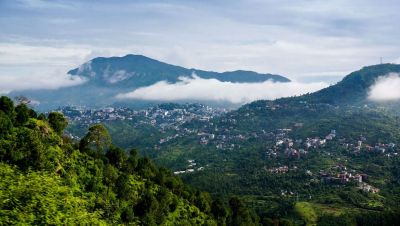
Deval sits in Chamoli district and acts as one of the practical gateways to the wider Pindar Valley region. The appeal here is not luxury or sightseeing in the usual sense; it is the rhythm of mountain villages, terraced fields, pine and deodar patches, and the sense that daily life still follows the seasons. For travellers from Delhi, Haryana, Punjab, western Uttar Pradesh, or even Dehradun and Rishikesh, this is the kind of Uttarakhand trip that feels refreshing without needing a week-long expedition.
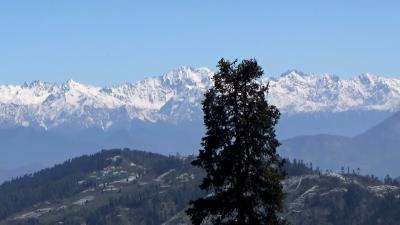
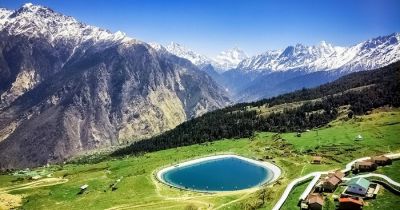
Pindar Valley is known for its rural character and its connection to the Pindar River basin, with villages spread across slopes and ridges rather than clustered in one tourist centre. You come here for village walks, interactions with locals, small temples, simple food, and views of the higher Garhwal landscape. If your idea of a holiday includes waking up to mountain silence and spending your day outdoors without a packed itinerary, this region fits well.
Where Deval is located and what the valley looks like
Deval is in the Chamoli side of Uttarakhand, on routes that connect deeper Himalayan settlements. Depending on where you start, the drive is typically long and winding, with several hours of mountain roads after you leave the plains. The exact road condition and travel time can change with landslides, rain, and local construction, so it is wise to check current updates before you leave.
The villages around Pindar Valley are usually smaller, less commercial, and more spread out than the better-known hill stations. You will see stone and cement houses, small fields of rajma and mandua in season, village shops that stock essentials, and narrow roads where life moves at mountain speed. The landscape changes by altitude and season, so spring, monsoon, and autumn each give a different feel to the same route.
Best time to plan your trip
The most comfortable time for Deval and Pindar Valley villages is generally March to June and September to November. These months usually offer clearer roads, pleasant daytime temperatures, and better chances of mountain views. April and May are especially good if you want cool weather without the heavy summer heat of the plains.
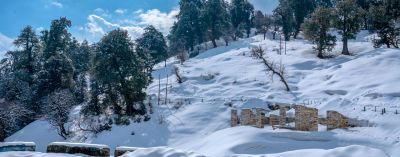
Monsoon, especially July to August, can make travel tricky because of rain, slippery roads, and occasional disruptions on mountain stretches. Winter can be beautiful if you enjoy crisp air and quiet surroundings, but nights get cold and some higher areas may become more difficult to access. If you are travelling with elderly family members or children, spring and autumn are the safest bets.
| Season | What to expect | Best for |
|---|---|---|
| March to June | Clear weather, pleasant days, comfortable village walks | First-time visitors, family trips |
| July to August | Frequent rain, road delays, lush green views | Flexible travellers with buffer days |
| September to November | Fresh post-monsoon air, long views, stable conditions | Photography, slow travel, road trips |
| December to February | Cold mornings and nights, occasional frost | Travellers who enjoy winter mountain weather |
How to reach Deval and the villages in Pindar Valley
The easiest route for most travellers is by road from the plains. If you are coming from Delhi, a typical plan is to reach Rishikesh, Srinagar, Rudraprayag, or Gopeshwar side depending on your route, and then continue toward Chamoli district roads that connect to Deval. Expect a long mountain drive of roughly 10-14 hours from the plains to the broader area, though this varies widely with traffic, roadworks, and breaks.
You can also combine train and road travel by taking a train to Haridwar or Rishikesh and then hiring a cab or using a shared vehicle for the hill section. For travellers who prefer comfort, a private cab is the easiest option because public transport can involve multiple changes and longer waiting times. If you are self-driving, keep your vehicle in good condition, avoid night driving in the hills, and fill fuel whenever you see a reliable station.
Shared jeeps and local buses may be available on certain stretches, but schedules can be irregular. Do not assume that a vehicle will run on time just because it is listed at a stand or local stop. Ask in advance, confirm with your homestay host, and keep a flexible plan.
Villages and experiences to look for
What makes Pindar Valley memorable is the village texture rather than a list of tourist attractions. You can spend time in hamlets around Deval, walk between terraced fields, talk to residents about farming seasons, and visit small village temples where local life centres around festivals and community events. In many places, even a short walk can give you a better sense of Uttarakhand than a full day in a crowded town.
Village walks and everyday mountain life
Plan at least one slow walk in the morning or late afternoon. That is when you will notice women working in fields, cattle being tended, children returning from school, and the valley light changing quickly as clouds pass. Carry water, wear sturdy shoes, and do not treat village roads like trekking trails; many are used daily by locals and livestock.
Temple visits and local culture
Small shrines and village temples are an important part of life in this region. You may hear local stories about deities, seasonal fairs, and family traditions that have been passed down for generations. Dress modestly, ask before taking photographs, and keep your visit quiet and respectful.
Seasonal food and simple homestay meals
Food in this region is usually home-style and seasonal. Expect dal, rice, roti, local sabzi, chutneys, and sometimes dishes made with mandua, chainsoo, or bhatt depending on the household and season. If you stay in a homestay, tell your host in advance if you need vegetarian-only meals, less spice, or specific preferences. For most travellers, this is one of the strongest reasons to stay in villages rather than in larger towns.
Where to stay and what it may cost
Accommodation in and around Deval and Pindar Valley is usually in the form of homestays, guesthouses, and small lodges. You may not find a large inventory online, so local contacts and word of mouth still matter. Booking ahead is especially important during long weekends, school holidays, and popular travel windows like April-May and October-November.
Indicative prices are generally in the range of ?1,000-?2,500 per night for simple homestays, and ?2,500-?4,500 per night for more comfortable rooms or packages that include meals. Prices change with season, room type, and location, so confirm before you book. If you are travelling with a group, ask about full-house options, meal inclusion, and parking space.
Before finalising, check whether the stay has hot water, mobile network access, power backup, and basic accessibility for older travellers. In remote hill areas, these details matter more than fancy décor.
What to pack for this Uttarakhand village trip
Because Deval and the Pindar Valley villages are road-and-weather dependent, pack for practicality rather than style. Layering is the key, even in summer, because mornings and evenings can feel much cooler than the day.
- Light woollens or a warm jacket, even in March or April
- Comfortable walking shoes with grip
- Rain jacket or umbrella if travelling between July and August
- Power bank, torch, and basic medicines
- Cash in small denominations, since digital payments may not always work
- Water bottle, sunscreen, and a cap for daytime walks
- Valid ID proof for hotel check-in and any local verification needs
A practical 2-3 day itinerary
If you are short on time, a 2-night, 3-day trip is enough to get a meaningful feel for the area without rushing. On Day 1, drive from your starting point to Deval or the nearest comfortable stop and check in by evening. Keep the first day light, with a short local walk and an early dinner.
On Day 2, spend the full day exploring nearby villages, temples, and footpaths. Ask your host about the best route based on the season, and avoid trying to cover too many places in one day. The real pleasure here is in lingering, talking, and pausing for views rather than ticking boxes.
On Day 3, start early for the return drive, especially if you need to reach Rishikesh or Haridwar by evening. Always keep a buffer of a few extra hours when planning your transport back to the plains. In the hills, buffers are not optional; they are part of smart travel.
Food, connectivity, and other realities you should know
Internet and mobile signals can be patchy in many village stretches, and this is one of those trips where you should prepare to be partially offline. Download maps, save hotel contact numbers, and inform family members about your route before you enter weaker network zones. This is particularly important if you are travelling with senior citizens or taking a self-drive vehicle.
Food options are usually limited to homestays, dhabas, or small eateries in nearby settlements. If you are a very picky eater, carry snacks, dry fruits, and ready-to-eat items for the road. That said, most travellers appreciate the simplicity of the food here after a few days in the mountains.
Also remember that this is a rural Himalayan area, not a resort belt. Respect local customs, keep noise low, avoid littering, and ask before entering private fields or photographing people. Good behaviour goes a long way in villages where hospitality is genuine and word travels fast.
Frequently Asked Questions
Is Deval a good base for exploring Pindar Valley villages?
Yes, Deval can work as a practical base because it is a usable road point for reaching nearby villages and planning day walks. It is better suited to travellers who want a simple, local stay rather than a tourist town with many facilities. Confirm the exact village access with your host before you book.
How many days should I keep for this trip?
For a first visit, keep at least 2 nights and 3 days. That gives you enough time for the road journey, a village walk, and a relaxed return without feeling rushed. If you want to explore more deeply or combine it with nearby areas in Chamoli, 4-5 days is better.
Is this destination suitable for families and older travellers?
Yes, provided you choose the right stay and avoid overpacking the itinerary. The terrain can be uneven and roads can be winding, so comfort depends on the pace you choose. For senior travellers, spring and autumn are better than the monsoon months.
What kind of budget should I plan?
For a basic trip, a realistic budget can start around ?4,000-?8,000 per person for 2-3 days if you are sharing transport and staying in simple homestays. If you hire a private cab from the plains, the cost will be higher and depends on the starting point and route. Meals, parking, and any extra local excursions should be factored in separately.
Can I rely on online booking and digital payments?
Not completely. Some stays may be available online, but many village homestays still prefer phone calls or local references. Digital payments may work in some places, but you should carry enough cash for food, fuel, and small expenses.
What should I check before starting the road trip?
Check road conditions, weather forecasts, fuel levels, and your vehicle’s brakes and tyres if you are self-driving. If travelling by cab, confirm the route, overnight halt, and return timing clearly with the driver. A little preparation saves a lot of trouble in mountain travel.
Final thoughts
Deval and the villages of Pindar Valley are for travellers who want Uttarakhand at a quieter, more human scale. If you go with patience, a flexible schedule, and respect for the local way of life, you will come back with a very different memory of the state than the one most hill-station holidays provide.
If this guide helped you plan your Uttarakhand trip, share this post with someone who is looking for a slower, more authentic mountain escape.
Disclaimer : The information provided in this blog is for general informational purposes only. While we strive to keep the content accurate and updated, TravelSetu assumes no liability for errors or omissions. If you believe any part of this blog infringes your rights or causes concern, please notify us immediately at info[at]travelsetu[dot]com so that appropriate action can be taken.