Dhakuri Pass Trek Guide
If you are planning a Kumaon trek in Uttarakhand and want a route that gives you forest trails, ridge views, village stays, and a real Himalayan feel without requiring technical climbing, the Dhakuri Pass trek is a strong choice. This guide will help you understand the route, the best time to go, how hard it is, what it costs, and how to prepare so you can trek with confidence.
What the Dhakuri Pass Trek Is Really Like
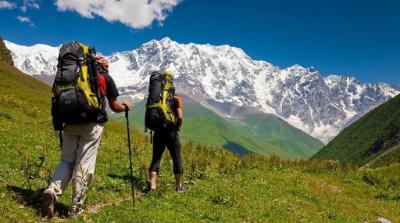
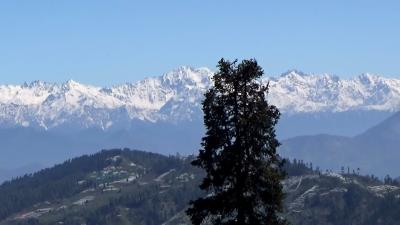
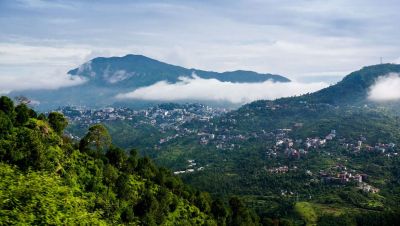
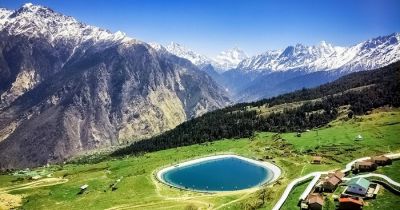
Dhakuri is a scenic forest pass on the approach to the Pindari Valley in Bageshwar district, Uttarakhand. Most trekkers encounter it as part of the route from Loharkhet toward Khati and the upper valleys near Dwali and Pindari Glacier. The trail is known for oak, rhododendron, and deodar forests, wide grassy sections, and clear views of the surrounding Kumaon peaks on good-weather days.
This is not a remote expedition trek, but it still feels properly Himalayan. You pass quiet villages, forest stretches, and small tea points rather than crowded tourist infrastructure. For many travellers, that is exactly the appeal: a manageable trek with enough altitude and scenery to feel rewarding.
Who Should Choose This Trek
The Dhakuri Pass route suits beginners with decent fitness, family groups with trekking experience, and regular hill walkers who want a moderate Himalayan trail. If you can comfortably walk 6-8 hours on uneven terrain with a daypack, you will likely manage it with proper pacing.
It is also a good option if you want to explore Kumaon beyond Almora and Ranikhet, or if you are combining a trek with a wider Uttarakhand holiday. The trail gives you village culture, forest walking, and mountain views without the commitment of a long high-altitude expedition.
Best Time to Do the Trek
The most comfortable months are usually April to June and September to early November. Spring and early summer bring pleasant daytime temperatures and fresh forest colour, while autumn often offers clearer mountain visibility.
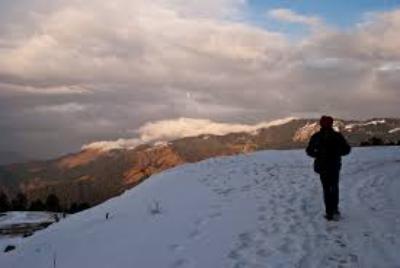
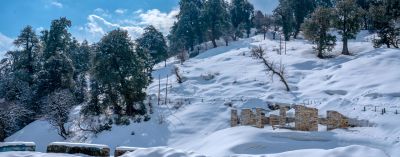
Monsoon months, roughly July to August, can bring slippery sections, leeches in some stretches, and occasional road disruptions on the approach roads. Winter, from late December to February, can bring snow and very cold nights, which changes the trek completely and may require an experienced local operator.
| Season | Weather | Trail condition | For whom it works best |
|---|---|---|---|
| April to June | Mild to warm days, cool nights | Generally dry and pleasant | First-time trekkers, families, photographers |
| July to August | Wet and humid | Slippery in sections, landslide risk on roads | Only if you are flexible and well-prepared |
| September to early November | Cool, clear, crisp | Usually stable and scenic | Best overall viewing conditions |
| Late December to February | Very cold, possible snow | Challenging and variable | Trekkers with winter mountain experience |
Route Overview and Typical Trek Plan
Most itineraries begin from Kathgodam or Haldwani, from where you travel by road toward Bageshwar and then onward to the trek base, commonly Loharkhet. The road journey is long, so many travellers break the trip with a night in Bageshwar or at a nearby guesthouse, depending on their pace and transport arrangements.
From Loharkhet, trekkers usually move toward Dhakuri and then continue further toward Khati if they are doing the longer Pindari route. The road and trek plan can vary by operator, weather, and your fitness level, so confirm the exact walking distances before booking. As a rough planning guide, the hike from the base area to Dhakuri is moderate, and the onward section to Khati is usually treated as a separate day’s walk.
Common 4-5 Day Itinerary Idea
- Day 1: Kathgodam/Haldwani to Bageshwar or Loharkhet by road
- Day 2: Trek from Loharkhet to Dhakuri, camp or stay in a basic lodge
- Day 3: Trek onward toward Khati or spend time exploring the ridge area
- Day 4: Return trek downhill to Loharkhet and drive back
- Day 5: Buffer day for weather, rest, or road delays
Some travellers choose a shorter outing focused only on Dhakuri, while others continue toward Dwali or even Pindari Glacier. The longer you continue into the valley, the more demanding the trek becomes.
How Difficult Is the Trek
Dhakuri is generally considered a moderate trek. The altitude gain is noticeable, the trail has steady climbs, and you will deal with stone paths, forest roots, and occasionally steep zigzags. It is not a place to rush.
What makes the trek manageable is that you can pace yourself and stay on a well-used route. What makes it tiring is the combination of ascent and the fact that most people start the day after a long road journey. If you are a beginner, spend at least a few weeks walking, climbing stairs, or doing brisk walks before the trip.
How to Reach the Starting Point in Uttarakhand
The usual access route is via Kathgodam, the nearest major railhead for many Kumaon treks. From there, taxis and shared vehicles can take you toward Bageshwar and Loharkhet. Road travel can take several hours, so do not plan a tight same-day trek after a long train journey unless your operator has clearly arranged it.
If you are flying, the nearest major airport is Pantnagar, but road access from there still takes time. Many travellers from Delhi prefer an overnight train to Kathgodam, then continue by road the next morning. Always confirm road conditions in Uttarakhand before travelling, especially in monsoon and winter.
Permits, Guides, and Booking Tips
Depending on current local rules and forest department procedures, you may need entry permissions or check-ins for the route. These requirements can change, so confirm the latest rules before you book. A local operator is helpful not only for logistics but also for weather updates, village coordination, and safety on the trail.
If you are trekking independently, carry valid photo ID, enough cash, and keep buffer time in your schedule. In many parts of Kumaon, network coverage may be patchy, and cash remains useful for tea shops, porters, and small stays.
Where You Can Stay and What It May Cost
Accommodation on this route is usually basic and practical rather than fancy. In Bageshwar or nearby roadhead towns, you can find guesthouses and budget hotels. On the trek, you may stay in simple lodges, homestays, or camps depending on the arrangement.
Indicative costs can look like this, though prices change by season and availability:
- Budget hotel or guesthouse near Bageshwar: ?1,200-?2,500 per night
- Basic homestay or trek lodge: ?800-?2,000 per night
- Guided trek package: ?8,000-?18,000 per person for a short-to-medium itinerary, depending on inclusions
- Private taxi from Kathgodam to Bageshwar/Loharkhet: ?4,500-?8,500 one way, depending on vehicle and season
- Meals on trek: often included in packages; otherwise budget around ?250-?600 per meal in simple places
These are only indicative ranges. Confirm current prices before booking, especially during peak summer and autumn weekends.
What to Pack for Dhakuri
Pack light, but do not underpack. The weather can change quickly in the Kumaon hills, and mornings and evenings are much colder than daytime on many months.
- Broken-in trekking shoes with good grip
- Warm layers, including a fleece or light down jacket
- Rain jacket or poncho in the monsoon shoulder period
- Quick-dry T-shirts and trekking pants
- Cap, sunglasses, and sunscreen
- Reusable water bottles or hydration bladder
- Basic medicines, motion sickness tablets if needed, and personal first aid
- Power bank, torch or headlamp, and spare batteries
- Cash in small notes
If you are trekking with a porter, still keep essentials like water, medicines, documents, and one warm layer in your daypack.
Food, Water, and Safety on the Trail
Food is usually simple and filling: dal, rice, roti, sabzi, soup, maggi, tea, and snacks. Do not expect a large menu. On longer routes, meal timing matters because kitchens in small villages follow the pace of the trail rather than city schedules.
For water, carry enough for the uphill sections and refill only from trusted sources or where your guide confirms it is safe. The altitude here is not extreme compared with major expeditions, but dehydration still slows you down quickly. Walk steadily, take short breaks, and avoid trying to “make up time” by climbing too fast.
Suggested Add-Ons in Uttarakhand
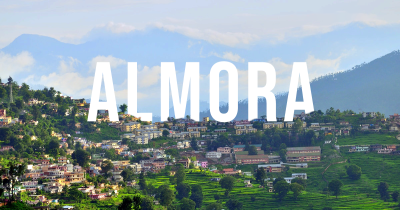
If you want to extend your trip, there are several good Kumaon stops nearby. Bageshwar is useful as a cultural and logistics stop. Almora works well if you want cafés, markets, and a gentler travel pace before or after the trek. If you have more time, you can also combine the route with visits to Kausani or Ranikhet for mountain views and relaxed hill-town stays.
This makes the Dhakuri Pass trek easy to fit into a broader Uttarakhand holiday rather than treating it as a standalone expedition.
Frequently Asked Questions
Is the Dhakuri Pass trek suitable for beginners?
Yes, it can be suitable for beginners who have decent fitness and can walk for several hours on uneven terrain. The trek is moderate rather than technical, but the climb is real and should not be underestimated. A guided itinerary is a smart choice for first-timers.
How many days do I need for the trek?
A short version can be done in about 3-4 days including travel, while a more comfortable plan takes 4-5 days. If you continue beyond Dhakuri toward Khati, Dwali, or Pindari Glacier, you will need more time. Add a buffer day if you are travelling during monsoon or winter.
What is the best month for mountain views?
September to early November is often the clearest window, with crisp skies and stable conditions. April to June is also pleasant, especially if you want green forests and milder temperatures. Exact visibility depends on weather, so always check local forecasts before departure.
Do I need a guide for Dhakuri?
A guide is not always mandatory, but it is strongly recommended if you are unfamiliar with Kumaon trails. Local guides help with route finding, weather decisions, permits, and accommodation. They also make logistics much easier if road access changes unexpectedly.
Can I do the trek as part of a family trip?
Yes, if the group includes reasonably active adults and older children who are used to walking. Keep the itinerary slow, choose comfortable stays, and avoid monsoon-heavy dates. Families usually do best with a private package rather than trying to self-manage everything.
What should I watch out for on this trek?
The main concerns are steep sections, fatigue after road travel, rain-related trail slippage, and cold evenings at altitude. Road conditions can also affect the approach from Kathgodam or Bageshwar. Confirm transport, weather, and accommodation a day or two before you leave.
Final Thoughts
The Dhakuri Pass trek is a rewarding Kumaon experience for anyone who wants a manageable Himalayan walk with forests, village life, and open views. If you plan it carefully, travel in the right season, and keep your expectations practical, it becomes one of those Uttarakhand trips that feels both refreshing and memorable.
If this guide helped you plan your trip better, please share the post with fellow travellers who are considering a trek in Uttarakhand.
Disclaimer : The information provided in this blog is for general informational purposes only. While we strive to keep the content accurate and updated, TravelSetu assumes no liability for errors or omissions. If you believe any part of this blog infringes your rights or causes concern, please notify us immediately at info[at]travelsetu[dot]com so that appropriate action can be taken.