Dharchula Border Town Guide
If you are planning a mountain trip in Uttarakhand that feels remote, scenic, and a little different from the usual tourist circuit, Dharchula deserves your attention. This border town on the Kali River is especially useful for travellers heading toward the Johar Valley, Panchachuli region, or the long route to Adi Kailash and Om Parvat, and this guide will help you understand how to get there, when to go, where to stay, and what to expect.
Where Dharchula is and why it matters
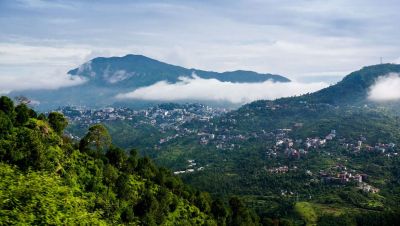
Dharchula sits in Pithoragarh district, close to the India-Nepal border, with the Kali River forming a natural boundary in many stretches. From Pithoragarh town, it is roughly 90-100 km away by road, and the drive usually takes 4.5 to 6 hours depending on road conditions and breaks. For many travellers, Dharchula is not the final destination but the base town for higher-altitude trips into the Kumaon Himalaya.
The town has a busy, practical feel rather than a polished hill-station atmosphere. You will find small hotels, tea shops, transport operators, mules and porters for local routes, and plenty of activity during pilgrimage and trekking seasons. If you like mountain towns that still feel real and functional, Dharchula is rewarding in a way that more commercial places are not.
How to reach Dharchula
By road from major Uttarakhand towns
The most common way to reach Dharchula is by road from Pithoragarh, Almora, or Tanakpur. From Tanakpur, the drive is long, usually 8 to 10 hours for around 210-230 km, so many travellers break the journey at Pithoragarh or stay overnight en route. Roads are mountain roads with hairpin bends, and travel time increases during rain, fog, or landslide-prone periods.
If you are hiring a taxi from Tanakpur or Pithoragarh, expect approximate costs of ?4,500-?7,500 from Pithoragarh and ?8,000-?12,000 from Tanakpur, depending on vehicle type and season. Shared jeeps are cheaper, but timings are less predictable and seat availability may be limited on busy days.
Nearest rail and air access
The nearest major railhead is usually Tanakpur, which is connected to parts of Uttarakhand and Uttar Pradesh. From there, you must continue by road. The nearest airport commonly used by travellers is Pantnagar, but the onward road journey is long and winding, so most visitors still prefer to plan via train plus road or self-drive with overnight halts.
If you are flying into Pantnagar, remember that the mountain drive from there can take a full day or more depending on where you stop. For a smoother trip, many people prefer to reach Kathgodam or Tanakpur by train and then move onward in stages.
Best time to visit Dharchula
The most comfortable months for Dharchula are usually March to June and September to early November. Spring brings clear views, moderate temperatures, and easier road conditions, while autumn often gives crisp skies and good visibility after the monsoon has passed. These months are also practical if you are continuing toward higher routes for trekking or pilgrimage.
Monsoon, from July to August, is risky for road travel because landslides and delays are more common on Himalayan highways. Winter, especially December to February, can be cold and sometimes challenging if you are continuing into snow-prone higher regions. Day temperatures in the warmer months are pleasant, but evenings can still feel cool, so carry layers even in April or May.
| Season | What to expect | Travel note |
|---|---|---|
| March to June | Clear weather, pleasant days, good road conditions | Best for sightseeing and onward mountain trips |
| July to August | Rain, slippery roads, landslide risk | Keep buffer days in your plan |
| September to November | Fresh air, stable weather, good visibility | Excellent for photography and trekking base plans |
| December to February | Cold mornings and nights, possible high-altitude snow effects | Check road conditions before starting |
What to do in and around Dharchula
Walk along the Kali River
One of the simplest pleasures in Dharchula is just walking along the riverfront and watching everyday life unfold. The town has views across the Kali River toward Nepal side settlements, and the border setting gives it a distinct atmosphere. Early morning and late afternoon are the best times for a relaxed walk, especially if you want softer light and fewer vehicles on the road.
Use Dharchula as a base for the Kumaon high routes
Dharchula is a practical base for travellers heading to higher reaches such as Gunji, Nabi, Napalchu, Kalapani area routes, and the pilgrimage corridor connected with Adi Kailash and Om Parvat. These journeys usually require prior planning, local transport, and in some cases permits or official verification depending on the route and current regulations. Always confirm the latest rules locally before booking because border-area access conditions can change.
Explore nearby villages and local culture
The town sits in a culturally rich part of Kumaon where local cuisine, dress, and dialects reflect the mountain way of life. If you have time, look beyond the main market and ask about nearby village walks or simple local homestays. Even a short stay can give you a better feel for life in this border district than a quick transit stop ever would.
Photography and mountain views
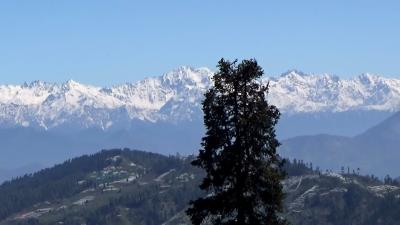
Dharchula can be excellent for landscape photography on clear days, especially when the valley opens up after sunrise. You are more likely to get strong mountain light in the morning, while the evenings are good for capturing the river and town activity. Carry a rain cover for your camera or phone if you are travelling during the shoulder months.
Do you need permits or special documents?
Because Dharchula is near an international border and serves as a gateway to restricted frontier areas, permit requirements can apply for some onward routes. Indian travellers heading beyond Dharchula toward certain border zones may need to show valid government ID, pass local checks, or obtain permits through the district administration or designated authorities. The exact process can vary by route and season, so do not rely on old information.
For a regular stay in Dharchula town itself, you usually do not need special permission, but carrying your Aadhaar card, voter ID, or other valid photo ID is a smart idea. If you are joining a package to Adi Kailash or nearby frontier destinations, let your operator handle current documentation and verify all requirements before the trip starts.
Where to stay and what it may cost
Dharchula has a range of simple stays, from basic guesthouses to cleaner mid-range hotels and a few homestays. Expect rooms to be functional rather than luxurious. Many properties are meant for pilgrims and road travellers, so hot water timings, backup power, and food availability can vary.
Typical prices are around ?1,000-?2,000 per night for basic rooms, ?2,000-?4,000 per night for decent mid-range hotels, and ?1,200-?2,500 per night for homestays, depending on facilities and season. During peak pilgrimage periods, prices can rise and rooms can sell out quickly, so booking in advance is wise.
What and where to eat
Food in Dharchula is straightforward, filling, and suited to road travellers. You will usually find North Indian meals, parathas, dal-chawal, maggi, tea, and local snacks in small eateries. If you enjoy simple mountain food, ask for local preparations rather than expecting elaborate menus. Hygiene standards can differ from place to place, so choose busy dhabas or hotels with steady turnover.
A typical meal may cost ?120-?250 per person in a basic eatery and ?250-?500 in a more comfortable hotel dining setup. Carry drinking water and some dry snacks for road journeys because long mountain stretches between towns can have fewer food stops than you expect.
Suggested trip plans
2-day quick stop
If you are only visiting Dharchula as a transit point, spend one night there after reaching from Pithoragarh or Tanakpur. Use the evening for a river walk, a quiet dinner, and an early start the next morning. This works well if you are continuing to a trekking base or joining a structured mountain route.
4-day relaxed plan
For a slower trip, spend Day 1 reaching Pithoragarh or Dharchula, Day 2 exploring the town and riverfront, Day 3 taking a short local excursion or preparing for an onward border-area journey, and Day 4 returning or moving ahead. This gives you enough buffer for mountain road delays, which is useful in this part of Uttarakhand.
6-7 day border-region itinerary
If your purpose is a fuller Kumaon frontier trip, keep Dharchula as the main base and add nearby destinations only after checking route access. This kind of plan works best with a local driver or a package operator familiar with road conditions and permission procedures. Do not try to over-pack the itinerary; in the Himalaya, a lighter plan usually works better than a rushed one.
Practical travel tips
- Carry cash along with digital payment options, because network and connectivity can be inconsistent in some stretches.
- Keep buffer time in your schedule, especially if you are travelling during monsoon or after heavy snowfall in higher areas.
- Pack a light jacket, a rain layer, medicines, and sunscreen, even if you are travelling in summer.
- Start road journeys early in the day to reduce the chance of night driving on mountain roads.
- Confirm border-area permissions, road openings, and local transport availability before finalising bookings.
- Respect local customs and security instructions, particularly near check posts and sensitive areas.
Frequently Asked Questions
Is Dharchula safe for tourists?
Yes, Dharchula is generally safe for tourists, especially if you stay in town, use known transport, and follow local advice. As with any border and mountain region, you should stay updated on weather and road conditions. Avoid late-night driving and keep your documents handy.
How many days are enough for Dharchula?
If Dharchula is just a stopover, one night is enough. If you want to explore the town and use it as a base for nearby routes, 2-3 days is more practical. For Adi Kailash-related travel or other longer frontier itineraries, you may need 5-7 days or more depending on permissions and road conditions.
Can families with children visit Dharchula?
Yes, families can visit Dharchula, but the road journey is long and tiring, so it suits families who are comfortable with mountain travel. Keep travel days short, book reliable accommodation, and avoid rushing into high-altitude routes without proper acclimatisation. Small children may need extra care in cold or rainy weather.
What is the nearest major town to Dharchula?
Pithoragarh is one of the most important nearby towns and acts as a key district hub. Tanakpur is another important gateway town for rail and road connections. From either place, you should allow several hours for the final leg to Dharchula.
Is mobile network available in Dharchula?
Mobile coverage is usually available in town, but it may be patchy on the road or in higher nearby areas. Network strength can vary by operator and weather. If your trip includes remote border routes, tell family members in advance that connectivity may not be reliable.
What should I pack for Dharchula?
Pack layered clothing, a waterproof jacket, ID proof, medicines, water bottles, basic toiletries, power bank, and sturdy walking shoes. If you are visiting in winter, add thermals, gloves, and warm socks. For summer, keep sun protection and a light fleece for cool evenings.
Conclusion
Dharchula is not a typical hill station, and that is exactly why many travellers remember it. It is a working mountain town with a strategic border setting, useful transport links, and access to some of the most dramatic landscapes in Uttarakhand. If you plan carefully, keep your expectations practical, and give yourself enough time on the road, Dharchula can become one of the most interesting stops in your Kumaon journey.
If this guide helped you plan your trip, share the post with someone who is considering a Uttarakhand border-town journey.
Disclaimer : The information provided in this blog is for general informational purposes only. While we strive to keep the content accurate and updated, TravelSetu assumes no liability for errors or omissions. If you believe any part of this blog infringes your rights or causes concern, please notify us immediately at info[at]travelsetu[dot]com so that appropriate action can be taken.