Gangolihat and Kali Kumaon
If you are planning a slower, more rooted trip through Uttarakhand, Gangolihat and the wider Kali Kumaon region deserve a place on your list. This article is for Indian travellers who want a mix of temple visits, mountain road journeys, village life, and quiet Himalayan views, along with practical details on how to get there, where to stay, and how to plan your days without rushing.
Why Gangolihat and Kali Kumaon appeal to travellers
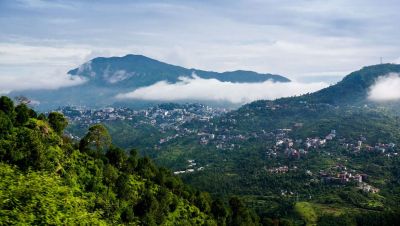
Gangolihat sits in Pithoragarh district, in the eastern part of Uttarakhand that many people call Kali Kumaon because of the Kali River corridor and the borderland geography around it. The area feels different from the busier hill stations of the state. Roads are narrower, crowds are thinner, and your itinerary usually revolves around temples, local markets, village walks, and long scenic drives rather than packed sightseeing.
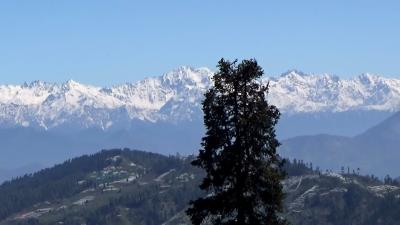
For many visitors, the main draw is the combination of faith and landscape. Gangolihat is known for its Shakti worship traditions, while the wider Kumaon region around it offers views of the snow line on clear days, terraced fields, and small towns that still move at a mountain pace. If you enjoy destinations where travel itself is part of the experience, this part of Uttarakhand rewards patience.
Where Gangolihat is and how the region fits together
Gangolihat is around 30-35 km from Berinag and roughly 45-50 km from Pithoragarh town by road, though exact travel time depends heavily on road conditions and weather. It is not on a major tourist highway, so reaching it usually means coming via Almora, Pithoragarh, or Tanakpur-side routes and then continuing on winding hill roads. For most travellers, a dedicated road trip is the easiest way to explore the area properly.
When people refer to Kali Kumaon, they usually mean the eastern Kumaon belt influenced by the Kali River and the frontier geography near the India-Nepal side. In practical travel terms, your base may be Gangolihat, Pithoragarh, Dharchula, Askot, or Berinag depending on your route and interests. If you have 4-6 days, you can combine Gangolihat with a few nearby stops instead of trying to cover too much ground.
Top places to see in and around Gangolihat
Haat Kalika Temple
This is the best-known place in Gangolihat and the main reason many pilgrims come here. The temple is associated with Goddess Kali and has deep local importance in Kumaon’s spiritual landscape. Expect a lively temple atmosphere, especially during festival periods and on auspicious days. The approach is manageable for most visitors, though steps and uneven stretches are part of the experience, so comfortable footwear helps.
Patal Bhuvaneshwar
About 14-16 km from Gangolihat, Patal Bhuvaneshwar is one of the region’s most striking cave temple experiences. The limestone cave network is linked to mythological stories and requires a guided walk through narrow passages, so go with enough time and without feeling rushed. Many travellers combine this with Gangolihat in a half-day or full-day circuit. If you are claustrophobic, think carefully before entering.
Askot and the borderland drive
If you want to understand the wider Kali Kumaon setting, a drive towards Askot gives you a stronger feel for the landscape. The area is known for its wildlife sanctuary and open mountain views, though sightseeing options are more about the journey and the terrain than a long list of attractions. Road quality and access can vary, so ask locally about current conditions before planning a detour.
Berinag and quiet Kumaon viewpoints
Berinag is a good add-on if you want a calmer hill-town feel with tea gardens in the broader region and long-range views on a clear day. It is not flashy, and that is exactly the point. If your travel style leans toward early mornings, tea, local walks, and less traffic, Berinag can balance the temple-heavy nature of a Gangolihat trip.
How to reach Gangolihat
The most practical way to reach Gangolihat is by road from a railhead or airport in the plains, then by taxi or shared vehicle into the hills. The nearest major rail access is generally Kathgodam or Tanakpur depending on your route, and the nearest major airport is Pantnagar, though many travellers still prefer train plus road because it is more predictable and often easier on the budget.
From Kathgodam, reaching Gangolihat can take a long full day by road, often 8-10 hours or more depending on stops and traffic. From Pithoragarh, the drive is much shorter, usually around 2-3 hours under normal conditions. If you are self-driving, start early, avoid night mountain driving where possible, and keep buffer time for landslides or road repairs, especially during the monsoon.
For shared transport, services are generally easier to find on the bigger town stretches and less so in remote hours. It is wise to confirm local bus timing or jeep availability a day in advance rather than assuming frequent service. In mountain districts, schedules can change without much notice.
Best time to plan a trip
The most comfortable months for Gangolihat and Kali Kumaon are usually March to June and September to November. Spring and early summer bring pleasant days, clearer roads, and good visibility for views. Post-monsoon months often feel especially rewarding because the hills are fresh and skies can be crisp.
July and August bring monsoon challenges. Roads can become slippery, delays are common, and landslide-prone stretches need extra caution. Winter from December to February can be cold, especially in the evenings and early mornings, but it is also a good time if you enjoy quieter travel and don’t mind carrying warm layers. If you are booking a package, confirm seasonal access before finalising dates.
Where to stay and what it may cost
Accommodation around Gangolihat is generally modest rather than luxury-focused. You will find simple lodges, guesthouses, dharamshala-style stays, and a few better-appointed hotels in larger nearby towns. In Pithoragarh or Berinag, you may get more choice than in the immediate Gangolihat area. It is a good idea to book ahead during festival dates or long weekends.
Indicative prices can look like this:
| Stay type | Typical range per night | Best for |
|---|---|---|
| Basic guesthouse / lodge | ?800-?1,800 | Budget travellers, pilgrims |
| Mid-range hotel | ?2,000-?4,000 | Couples, families, small groups |
| Better hotel or curated stay in nearby town | ?4,500-?7,500 | More comfort, cleaner facilities, views |
Food is typically straightforward Kumaoni and North Indian fare. Expect vegetarian meals, dal, rice, roti, seasonal sabzi, tea, and snacks. A simple meal for one person may cost around ?150-?300 in local places, while a fuller restaurant meal can go higher depending on where you stop.
Suggested itinerary for 3 to 5 days
If you want a focused trip, three days is enough for Gangolihat, Patal Bhuvaneshwar, and one nearby stop. With five days, you can add Berinag, Askot, or a more relaxed Pithoragarh circuit. The key is not to overpack the route; hill driving takes time even when distances look short on a map.
- Day 1: Reach Pithoragarh or Gangolihat area, settle in, and keep the evening light with a temple visit or local walk.
- Day 2: Visit Haat Kalika Temple and Patal Bhuvaneshwar, with time for lunch and rest in between.
- Day 3: Add Berinag or Askot, or use the day for a slower village drive and photography stops.
- Day 4: Explore a second temple or viewpoint, then move towards your onward destination.
- Day 5: Buffer day for weather, shopping, or a quieter return route.
What to pack and how to travel comfortably
Pack layers, even in warmer months, because mornings and evenings can be cool. Good walking shoes matter more than stylish footwear here, especially around temples, cave areas, and uneven roadside paths. Carry cash as smaller shops and transport arrangements may not always support digital payments smoothly, though UPI is increasingly common in towns.
Keep a basic medicine kit, water, snacks, and a power bank. If you are visiting during monsoon, add a rain jacket rather than relying only on an umbrella. For temple visits, modest clothing is respectful and practical. If you are self-driving, fill up fuel in larger towns and avoid leaving it too late in remote stretches.
Local experiences worth making time for
The most satisfying part of a Gangolihat and Kali Kumaon trip is often not a single monument but the rhythm of the journey. Sit for tea at a roadside stop, watch women working in terraced fields, speak to shopkeepers about the weather, and ask about local festivals. Kumaoni hospitality can feel understated at first, but it becomes memorable when you slow down enough to notice it.
If you are travelling around a festival period, temple activity can be far more vibrant. This may also mean more visitors, longer waiting times, and higher demand for rooms. Again, confirm everything before booking because travel conditions in the hills can shift quickly with weather and local events.
Frequently Asked Questions
Is Gangolihat suitable for a family trip?
Yes, Gangolihat can work well for families who are comfortable with road travel and simple mountain stays. The trip is more about temples, short walks, and scenic drives than amusement-style sightseeing. If you are travelling with elderly members, choose accommodation with easier access and avoid overly tight itineraries.
How many days do I need for Gangolihat and nearby places?
Three days is enough for a basic trip covering Gangolihat and Patal Bhuvaneshwar. Four to five days gives you a more relaxed pace and room for Berinag or Askot. If you are coming from far away, add a buffer day in case of weather delays.
Is Patal Bhuvaneshwar difficult to visit?
The cave visit is manageable for most people, but it does involve narrow passages and steps. If you are uncomfortable in enclosed spaces, go in only if you feel confident. Wear comfortable shoes and allow enough time so you do not feel hurried during the guided movement inside the cave.
What is the best way to travel within Kali Kumaon?
Hiring a local taxi for the day is often the most convenient option if you want to cover multiple places. Public transport exists, but timings can be irregular in smaller stretches. For the easiest experience, combine a reliable cab with short local walks where roads and terrain allow.
Are there ATMs and mobile network coverage in the area?
You may find ATMs in bigger towns like Pithoragarh, but do not assume easy access in smaller settlements. Mobile coverage can be patchy in some hill sections, depending on the network. Keep some cash and share your route with family or friends before heading into less crowded stretches.
Is Gangolihat good for a monsoon trip?
It can be beautiful, but monsoon travel in this part of Uttarakhand needs caution. Landslides, slippery roads, and delays are more common from July to August. If you travel then, keep your schedule flexible and check road updates locally before moving between towns.
Conclusion
Gangolihat and Kali Kumaon are ideal if you want Uttarakhand beyond the usual hill-station circuit. The region gives you sacred sites, steady mountain roads, local food, and a quieter sense of place that stays with you after the trip ends. Plan with enough time, travel lightly but prepared, and you will get much more from the journey than from a rushed checklist.
If you found this guide useful, share this post with fellow travellers planning a Uttarakhand trip.
Disclaimer : The information provided in this blog is for general informational purposes only. While we strive to keep the content accurate and updated, TravelSetu assumes no liability for errors or omissions. If you believe any part of this blog infringes your rights or causes concern, please notify us immediately at info[at]travelsetu[dot]com so that appropriate action can be taken.