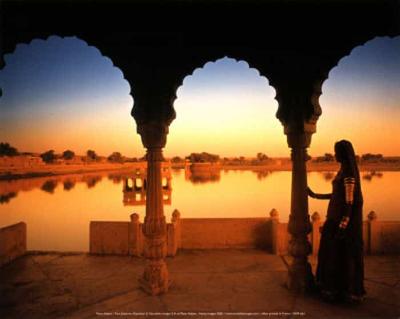
Ghanerao and Godwar Region
If you are planning a Rajasthan trip and want something calmer than the usual palace trail, Ghanerao and the wider Godwar region deserve your attention. This part of western Rajasthan gives you heritage havelis, forested hills, Jain temples, village life, and easy access to Kumbhalgarh, Ranakpur, and Jawai, so you can build a trip that feels rich without feeling rushed.
This guide is for travellers who want practical help: where Ghanerao is, how long to stay, what it costs, what to combine it with, and when to go. If you like places that still feel lived-in rather than overdone, you will find this route rewarding.
Where Ghanerao and Godwar fit into Rajasthan
Ghanerao is a heritage village in the Pali district of Rajasthan, close to the Aravalli hills and not far from both Kumbhalgarh and Ranakpur. The wider Godwar region covers a culturally distinct belt of south-western Rajasthan, linked historically by Rajput estates, Jain pilgrimage routes, pastoral communities, and old trade paths. For travellers, that means a mix of forts, temples, village markets, wildlife landscapes, and old-world hospitality.
From Udaipur, Ghanerao is usually around 85-100 km by road depending on the route, which often takes about 2.5 to 3 hours. From Jodhpur, the drive is usually longer, roughly 4.5 to 5.5 hours. Because the region sits between major tourist circuits, it works well as a 2-4 day extension to an Udaipur, Mount Abu, or Jodhpur itinerary.
Why this region works so well for Indian travellers
Godwar is a good fit if you want Rajasthan without long queues, heavy crowds, or a city-only holiday. You get a slower pace, decent road connectivity, and a chance to stay in family-run heritage properties instead of only large hotels. The area also suits mixed-interest travellers: one person can enjoy temples and history while another goes for wildlife drives or village walks.
The landscape changes in a pleasant way as you move through the region. You will see dry plains, rocky hill ranges, scrub forest, seasonal water bodies, and villages with old mansions and step wells. Winter months from October to March are the easiest for sightseeing, while the monsoon and post-monsoon period can make the countryside look greener and more inviting.
Top places to include in a Ghanerao and Godwar trip
Ghanerao village and its heritage stays
Ghanerao itself is worth more than just a quick stop. The village has old houses, temples, and the feel of a former princely setting, with some properties offering heritage-style accommodation. If you stay overnight, you get the advantage of quieter mornings, local meals, and the chance to walk around before day visitors arrive from Kumbhalgarh or Ranakpur.
Expect heritage stay prices to vary widely. A simple, comfortable room may cost around ?2,500-?4,500 per night, while better heritage rooms or boutique stays can go up to ?6,000-?12,000 per night or more, depending on the season and inclusions. Confirm breakfast, dinner, and transport arrangements before you book, because some properties package these differently.
Kumbhalgarh Fort
Kumbhalgarh is one of the most important stops in this region and is usually about 35-45 km from Ghanerao, taking roughly 1 to 1.5 hours by road. The fort is known for its long walls and hilltop setting, and it is best visited in the morning or late afternoon when the light is softer and the heat is manageable. If you are interested in Rajput history, allow at least 2-3 hours for the fort complex.
Entry and vehicle charges can change, so check the latest rates locally or online before going. If you want a less tiring visit, hire a local taxi for the day rather than depending on multiple spot bookings.
Ranakpur Jain Temples
Ranakpur lies within comfortable driving distance of Ghanerao and is one of the best-known Jain temple complexes in Rajasthan. The temple architecture is detailed, serene, and best appreciated if you visit slowly rather than in a hurry. A combined Ghanerao-Ranakpur day is easy to manage, and it gives your itinerary a strong cultural anchor.
The temple area is usually visited in 1.5 to 2.5 hours, depending on how much you enjoy architecture and photography. Dress modestly and keep in mind that rules for entry, timings, and photography can change, especially during religious events.
Jawai and the leopard belt
If you have an extra day, you can add Jawai to the same larger route. Jawai is known for granite hills, pastoral landscapes, and leopard sightings, though wildlife is never guaranteed. It is better to think of Jawai as a nature-focused extension than as a fixed animal-spotting stop.
Safari prices depend on the operator and season, but you may see ranges around ?3,500-?8,000 per vehicle or per person depending on whether the drive is shared or private. Confirm timing carefully, because morning and late afternoon safaris are usually preferred.
Village trails and local temples
One of the best things you can do in Godwar is keep some unplanned time. Walk through the village, look for small temples, talk to your host about local customs, and observe daily life instead of rushing from one monument to another. This is the part of the trip that gives your itinerary texture.
If you enjoy slower travel, a 30-45 minute village walk after breakfast can be more memorable than another long road transfer. Hiring a local guide for a short walk is often worthwhile and may cost around ?500-?1,500 depending on the route and language support.
Suggested itineraries for different trip lengths
| Duration | Best for | Suggested plan |
|---|---|---|
| 2 days | Quick heritage break | Ghanerao stay, Kumbhalgarh Fort, Ranakpur temple visit |
| 3 days | Balanced culture trip | Ghanerao, Ranakpur, Kumbhalgarh, village walk, relaxed meals |
| 4 days | Slower regional circuit | Ghanerao, Kumbhalgarh, Ranakpur, Jawai safari, one free half-day |
A 2-day plan works if you are short on time, but a 3-day trip feels much better. With 3 days, you can spread the driving out and still have enough time to enjoy the heritage stay. If you are travelling with parents or children, the 4-day version is often the most comfortable.
How to reach Ghanerao and move around the region
The easiest way to visit Ghanerao is by road. From Udaipur, many travellers combine a departure after breakfast with a lunch stop en route, reaching Ghanerao by early afternoon. From Jodhpur, an early start helps, especially if you want to visit Ranakpur or Kumbhalgarh on the way. Rail connectivity in this part of Rajasthan is not as convenient as it is in larger cities, so road travel is usually the sensible option.
For local movement, a private cab is the simplest choice. Expect day-cab rates to vary based on vehicle type and season, often starting around ?3,500-?5,500 per day for local use, with tolls and parking sometimes extra. If you are covering Kumbhalgarh, Ranakpur, and Ghanerao together, a dedicated car saves time and removes the stress of negotiating multiple transfers.
When to go and what to pack
The best time to visit is usually October to March, when daytime temperatures are more comfortable and road journeys are easier. November, December, and February are especially pleasant for heritage sightseeing. April to June can be very hot, and you will feel the heat strongly during afternoon walks and fort visits. July to September brings monsoon showers that soften the landscape, but road conditions can be more variable.
Pack light cotton clothing for daytime, a light jacket for winter evenings, comfortable walking shoes, sunscreen, a cap, and a refillable water bottle. If you plan temple visits, carry modest clothing that covers shoulders and knees. For safari-style drives in Jawai or rural areas, keep dust protection in mind.
Food, shopping, and what to expect from local hospitality
Food in this region is usually simple, hearty, and Rajasthani in character. At heritage properties, you are likely to find dal, roti, seasonal vegetables, kadhi, bajra-based dishes, and basic snacks made fresh to order. If you are a vegetarian, you will have no difficulty; if you want non-vegetarian food, confirm availability in advance because options can be limited outside larger towns.
Shopping is modest rather than commercial. You may find handmade items, local textiles, small religious souvenirs, and everyday village products in nearby market areas. Prices are generally reasonable, but quality varies, so look closely at craftsmanship rather than buying in a hurry.
Frequently Asked Questions
Is Ghanerao a good base for exploring Kumbhalgarh and Ranakpur?
Yes, Ghanerao is a practical base if you want to stay in a quieter place and drive out for day trips. It works especially well for travellers who prefer a heritage stay over a busier tourist town. The drives are manageable, and you can often cover both Kumbhalgarh and Ranakpur within two days.
How many days do you need for Ghanerao and Godwar?
Two days is enough for a short visit, but three days is ideal. That gives you time for Ghanerao, one major heritage site, one temple visit, and a relaxed meal or village walk. If you want to add Jawai, plan for at least four days.
Is this region suitable for family travel?
Yes, it is suitable for families, especially if you choose a comfortable heritage property and keep transfers realistic. Older travellers may find the road journeys manageable if you avoid back-to-back sightseeing. Children usually enjoy fort visits, open landscapes, and the novelty of heritage stays.
What kind of budget should I plan for?
For a comfortable mid-range trip, a couple can budget around ?8,000-?15,000 per day including stay, meals, and local transport, depending on the property and vehicle used. Budget travellers can spend less by choosing simpler hotels, while premium heritage stays and private safaris will raise the total. Always check current rates before booking because seasonal pricing changes are common.
Are permits needed to visit Kumbhalgarh or Ranakpur?
Usually, you do not need special travel permits for standard sightseeing, but entry fees, camera charges, and temple rules can change. Some protected or wildlife-adjacent areas may have separate regulations for vehicles or safaris. It is always better to confirm the latest local requirements before travel.
Can I combine this region with Udaipur or Mount Abu?
Yes, and that is one of the best ways to plan the trip. Udaipur pairs naturally with Ghanerao because of the road route, and Mount Abu can be added if you have enough time for a longer Rajasthan circuit. Just avoid overloading the itinerary, since too many long drives can make the trip feel tiring.
Ghanerao and the Godwar region give you a gentler side of Rajasthan: heritage, temples, rural life, and landscapes that reward slow travel. If you plan it well, this can become one of the most satisfying parts of your Rajasthan journey, especially for travellers who enjoy depth over checklist tourism.
If this guide helped you plan better, share the post with someone organising a Rajasthan trip.
Disclaimer : The information provided in this blog is for general informational purposes only. While we strive to keep the content accurate and updated, TravelSetu assumes no liability for errors or omissions. If you believe any part of this blog infringes your rights or causes concern, please notify us immediately at info[at]travelsetu[dot]com so that appropriate action can be taken.