If you are planning a trip to Uttarakhand’s high Himalayas, Ghangaria is the small base village that can make or break your journey. This guide is for travellers heading to Valley of Flowers, Hemkund Sahib, or simply looking for a practical stopover in the mountains, with clear advice on when to go, how to reach it, where to stay, and what to expect on the trail.
Why Ghangaria matters on an Uttarakhand trip
Ghangaria sits in Chamoli district and acts as the base for two of the region’s most talked-about experiences: the Valley of Flowers and Hemkund Sahib. At around 3,000 metres above sea level, it is not a large village in the usual sense. It is more of a trekking hub with guesthouses, lodges, tea stalls, a few shops, and enough basic services to support travellers for a night or two.
Most visitors do not come to Ghangaria for sightseeing inside the village itself. They come because it is the practical overnight point before continuing to the valley or the gurudwara. If you are shortlisting destinations in Uttarakhand, think of Ghangaria as a strategic stay rather than a stand-alone tourist town. That mindset helps you pack better, book the right kind of room, and plan your day without rushing.
Where Ghangaria is and how far it is from key points
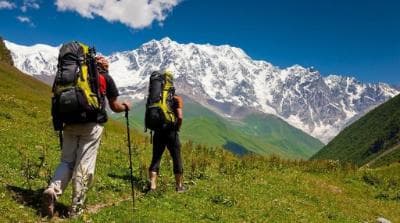
Ghangaria lies beyond Govindghat on the Joshimath side of Uttarakhand. The road journey usually ends at Govindghat, and from there you continue on foot, by pony, or by porter support. The trek from Govindghat to Ghangaria is roughly 13 km and usually takes 4 to 7 hours depending on your pace, age, breaks, and weather conditions.
From Ghangaria, the Valley of Flowers trail is about 4 km one way, while Hemkund Sahib is around 6 km one way and steeper. These are not casual strolls; the altitude and gradient matter. Many travellers underestimate the return climb from the valley and arrive in Ghangaria more tired than expected.
| Route | Approx. distance | Typical time | What to expect |
|---|---|---|---|
| Govindghat to Ghangaria | 13 km | 4-7 hours | Stone-paved trail, steady ascent, ponies and porters available |
| Ghangaria to Valley of Flowers | 4 km each way | 2-4 hours round trip or more | Moderate trek, scenic route, park entry required |
| Ghangaria to Hemkund Sahib | 6 km each way | 5-8 hours round trip | Steeper climb, higher altitude, needs an early start |
Best time to visit Ghangaria
The most popular travel window is usually from June to September, with the core Valley of Flowers season generally falling in the monsoon months. That said, weather in the high Himalayas changes quickly, and road access, trail conditions, and opening dates can shift from year to year. Always confirm before booking your trip.
June to early July
This is a good time if you want relatively fresh trails, fewer crowds than peak monsoon weeks, and cooler walking conditions. Some sections can still hold snow earlier in the season, especially near Hemkund Sahib. If you are not used to mountain trekking, this can still be a manageable time provided you keep your pace slow.
July to August
This is the main Valley of Flowers period, with lush greenery and a higher chance of seeing the famous flower bloom. It is also the wettest stretch, so leeches, slippery stones, and landslides on the access road can be issues. Carry rain protection and do not build a tight itinerary around fixed arrival times.
September
September often feels calmer, with clearer skies and less intense rain than peak monsoon. The flower bloom in the valley may reduce by then, but the walking conditions can be more comfortable for many travellers. If you want a less crowded experience and better visibility, this month is often worth considering.
How to reach Ghangaria from major Uttarakhand points
The usual route begins with a road journey to Joshimath or Govindghat. From Rishikesh, the drive to Joshimath can take around 9 to 12 hours depending on traffic, road work, and weather. From Joshimath to Govindghat, the road journey is shorter, roughly 1.5 to 2.5 hours in normal conditions.
If you are coming by public transport, shared jeeps and buses are typically available from Haridwar, Rishikesh, or nearby hubs, but schedules can be irregular. Many travellers stay overnight in Joshimath or Pipalkoti before moving to Govindghat early in the morning. That extra night often makes the next day easier, especially if you are travelling with children or older family members.
From Govindghat, you start the trek to Ghangaria. Ponies, porter services, and sometimes helicopter options may be available depending on the season and regulations, but these should be checked in advance. Costs can change, and availability is highly weather dependent.
Where to stay in Ghangaria
Accommodation in Ghangaria is basic but functional. Expect small guesthouses, dharamshala-style stays, and simple lodges rather than full-service hotels. Rooms usually focus on the essentials: a bed, blankets, basic washrooms, and hot water at limited times or on request.
For a normal trekking season, budget stays may start around Rs.800-Rs.1,500 per night, while cleaner private rooms or better-located guesthouses can range from Rs.1,500-Rs.3,500 per night. During peak pilgrimage and flower season, prices may rise and availability becomes tight. Book early where possible, but also keep a flexible backup option in case the weather delays your travel.
If you prefer a calmer sleep before Hemkund Sahib, choose a stay slightly away from the busiest foot traffic areas. If your priority is convenience for an early Valley of Flowers start, stay near the main trail head, even if the room is simpler. In Ghangaria, location often matters more than luxury.
What to eat and what to carry
You will find basic vegetarian meals in Ghangaria, including dal, rice, roti, aloo dishes, Maggi, tea, and parathas. The food is straightforward and suited to trekkers. Do not expect a wide menu, especially during peak crowds or bad weather. If you have dietary restrictions, carry a few familiar snacks from lower towns.
Because the trail and village are high altitude and weather conditions can change suddenly, pack with care. A small checklist makes the trip much smoother.
- Warm layers, even in summer
- Rain jacket or poncho
- Quick-dry socks and extra pairs
- Good trekking shoes with grip
- Water bottle and ORS
- Basic medicines for headache, fever, and motion sickness
- Torch or headlamp
- Cash, since digital payment may not always work well
- Power bank
Mobile network can be patchy, and electricity may be limited or unreliable in some stays. Download your maps, keep emergency contacts ready, and do not depend entirely on online payment apps. Carry enough cash for food, stay, entry, and porter or pony charges if needed.
Permits, entry rules, and practical planning
To enter Valley of Flowers, you will need to follow the park entry rules, which may include registration, entry tickets, identity proof, and specific visiting hours. For Hemkund Sahib, you should also check current access conditions, especially if you are travelling in the shoulder weeks of the season. These rules can change, so confirm them with the official source, your accommodation, or your tour operator before you go.
It is best to reach Ghangaria the day before you plan to visit either attraction. If you arrive from Govindghat and still have enough daylight, you might be tempted to continue immediately to the valley. That is usually a bad idea unless you are very fit and conditions are perfect. A rested start makes a big difference at altitude.
Also remember that weather in Uttarakhand can disrupt even well-planned trips. Keep one buffer day in your itinerary if you can, especially if you are combining Ghangaria with Auli, Badrinath, or Joshimath.
Suggested itinerary for a short Ghangaria trip
A simple 3-day plan works well for many travellers. On day one, travel from Rishikesh or Joshimath to Govindghat and trek to Ghangaria. On day two, visit Valley of Flowers or Hemkund Sahib depending on your fitness and interest. On day three, trek back to Govindghat and continue your journey onward or return to Joshimath for the night.
If you are travelling with parents or first-time mountain visitors, a 4-day plan is more comfortable. That gives you an extra night in Joshimath or Pipalkoti before the trek, reducing the strain of a long road journey and allowing better acclimatisation. In the Himalayas, slower usually means safer and more enjoyable.
Frequently Asked Questions
Is Ghangaria suitable for families and older travellers?
Yes, but only if you plan realistically. The trek from Govindghat to Ghangaria is manageable for many people, though the altitude and incline can feel demanding. For older travellers, it is wise to break the journey with an overnight stay nearby and consider pony support where appropriate.
How many days should I keep for Ghangaria?
Two nights and three days is the minimum comfortable plan for most travellers. If you want to visit both Valley of Flowers and Hemkund Sahib without feeling rushed, three nights is better. Add an extra buffer day if you are travelling during monsoon or if your road journey starts far from Uttarakhand.
Is there network coverage in Ghangaria?
Coverage can be weak and inconsistent. You may get patchy signal from some networks, but you should not rely on stable internet for work or urgent communication. It is better to inform family in advance and keep printed booking details or offline screenshots ready.
What kind of clothes should I pack for Ghangaria?
Pack warm layers, a waterproof outer shell, and trekking shoes with good grip. Even when the plains are hot, Ghangaria can feel cold, especially in the morning and after rain. Avoid cotton-heavy clothing that stays wet for long periods.
Can I find ATMs or medical facilities there?
Do not depend on ATMs in Ghangaria itself. Carry sufficient cash from Joshimath or lower towns before you ascend. Basic medical help may be available, but for anything serious, you will need to travel back to a larger centre, so carry personal medicines and travel insurance if possible.
Is Ghangaria only for Valley of Flowers and Hemkund Sahib?
For most travellers, yes, that is the main purpose of the stop. The village itself is not a sightseeing destination in the usual sense. Its value lies in making the valley and the gurudwara accessible in a practical, well-paced way.
Conclusion
Ghangaria is simple, busy in season, and very important for anyone heading into this part of Uttarakhand. If you plan your route, pack for rain and cold, and keep your expectations realistic, it becomes an efficient and rewarding base for Valley of Flowers and Hemkund Sahib. Treat it as the final practical stop before the high-altitude experience, and your trip will feel far smoother.
If this guide helped you plan better, share it with someone preparing for a Uttarakhand mountain trip.
Planning a Uttarakhand trip?
Tell us your dates and who is travelling. Up to three local travel companies send you their itinerary and price.
Get free quotesDisclaimer: The information in this blog is for general information only. We try to keep it accurate and up to date, but TravelSetu accepts no liability for errors or omissions. If you believe any part of it infringes your rights, please write to info@travelsetu.com.