If you are planning the trek to Hemkund Sahib or the Valley of Flowers, Govindghat is the place where your journey usually begins and ends. This guide is written for Indian travellers who want practical, on-ground advice on how to reach Govindghat, where to stay, what to expect at the base, and how to plan the climb ahead without last-minute stress.
Govindghat sits on the Alaknanda River in Uttarakhand’s Chamoli district, and Hemkund Base is the trailhead area from where the steep ascent towards Ghangaria and then Hemkund Sahib starts. The route is scenic, but it is also demanding, so knowing the weather, transport, stay options, and altitude factors can make a big difference to your trip.
Where Govindghat Fits Into Your Hemkund Sahib Plan
Govindghat is not just a stopover; it is the practical gateway for two of Uttarakhand’s most popular high-altitude journeys. Most visitors halt here for a night before trekking onward to Ghangaria, which is about 13 km away, and then continue to Hemkund Sahib or the Valley of Flowers the next day. Because the road ends here for regular vehicles, everything from shared jeeps to pony services and porters becomes part of the travel rhythm.
You will find pilgrims, trekkers, family groups, and solo travellers sharing the same narrow mountain roads and tea stalls. The atmosphere changes sharply by season: summer is busy and lively, while the monsoon period is wet, slippery, and unpredictable. If you are travelling for the yatra, Govindghat is where you should slow down, check your supplies, and prepare for a walk at altitude rather than rush through.
How to Reach Govindghat
From Rishikesh, Haridwar, and Dehradun
The most common route is via Rishikesh or Haridwar, then onward by road through Srinagar, Rudraprayag, Karnaprayag, Joshimath, and finally Govindghat. From Rishikesh, the road distance is roughly 270-290 km, and the drive usually takes 9-12 hours depending on traffic, landslide checks, and stopovers. From Joshimath, Govindghat is around 20-25 km and normally takes about 45 minutes to 1 hour.
If you are coming from Dehradun, add extra travel time since the road approach is similar to the Rishikesh route but slightly longer from some starting points. Shared taxis, private cabs, and state-run buses are the most common options, though services may be limited in the evening. For comfort and control over your schedule, many travellers prefer reaching Joshimath the day before and then taking a morning vehicle to Govindghat.
By Train and Air
The nearest convenient railheads are Haridwar and Rishikesh. If you are flying, Jolly Grant Airport in Dehradun is the usual choice, and from there the road journey to Govindghat is long, often 10-12 hours with breaks. Since the last stretch is mountainous, it is better to avoid trying to arrive too late in the day.
Approximate Travel Costs
| Mode | Typical Cost | Notes |
|---|---|---|
| Shared taxi from Joshimath to Govindghat | Rs.100-Rs.300 per person | Seasonal availability and shared basis |
| Private cab from Joshimath to Govindghat | Rs.800-Rs.1,500 | May vary by season and waiting time |
| Bus or tempo route from Rishikesh/Haridwar side | Rs.400-Rs.900 per person | Timing may change during peak yatra |
These figures are indicative and can change quickly during the pilgrimage season. Confirm current fares locally before you book, especially if you are travelling in May-June or around festival dates.
Understanding Hemkund Base and the Trek Start
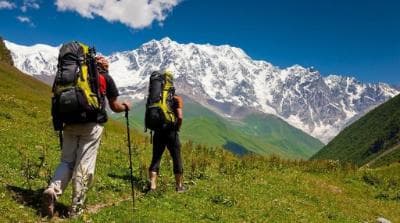
When travellers say “Hemkund Base,” they generally mean Govindghat or the immediate lower trail area where the trek to Ghangaria begins. The trail from Govindghat to Ghangaria is well-known for its steady climb, river views, and frequent foot traffic during the yatra. Ghangaria, at a much higher altitude, is the main overnight halt before the final push to Hemkund Sahib the next day.
The climb from Govindghat to Ghangaria is not technically extreme, but it is long and can feel harder if you are coming from sea level or if you have not acclimatised. You should plan for a trek duration of about 4-6 hours on foot, depending on pace, rest stops, weather, and whether you hire a mule or porter. The trail is busy, so move at a comfortable rhythm rather than trying to match faster groups.
For many travellers, Govindghat is also the place to sort out essentials like rain gear, walking sticks, medicines, and snacks. Small shops usually stock basic items, but prices can be higher than in the plains. It is better to carry your own water bottle, quick energy food, and any personal medication from home.
Best Time to Visit Govindghat
The most practical months for Govindghat and Hemkund Base are usually May, June, September, and early October, subject to weather and route conditions. May-June is the busiest period, with more open facilities and steadier movement, while September-October often feels calmer after the monsoon, provided the roads remain clear.
July and August bring heavy rainfall in Uttarakhand, and this can cause slippery trails, road delays, and occasional closures. Winter is not suitable for the Hemkund route because snow and cold conditions affect access and safety. Since weather in the Himalayas changes quickly, always check local updates close to your travel date.
What Weather Means for You
At Govindghat, daytime conditions can be pleasant while evenings turn cool, especially outside peak summer. Once you go higher towards Ghangaria and Hemkund Sahib, temperatures fall further, and you may need gloves, a warm layer, and waterproof clothing even in early summer. Do not assume the weather in Joshimath will match the conditions at the base or on the trail.
Where to Stay in Govindghat
Govindghat has a mix of budget lodges, guesthouses, dorm-style stays, and a few more comfortable rooms depending on season. Most properties are simple and functional rather than luxurious, which suits the short overnight stop common on this route. Expect basic rooms, hot water at fixed hours in some places, and food that is practical rather than elaborate.
For a realistic budget, you can expect stay options in the range of Rs.800-Rs.2,500 per night for standard rooms, while cleaner or better-located stays may go up to Rs.3,000-Rs.4,500 in peak season. If you are travelling in a large group, booking early is wise because rooms fill quickly before weekends and holiday peaks. Always confirm whether the stay includes meals, parking, and hot water, since these details are not uniform across properties.
Many pilgrims also choose to stay in Joshimath instead if Govindghat is fully booked. Joshimath has a wider choice of hotels and is only a short drive away, but staying at Govindghat saves you morning transfer time and puts you closer to the trail. If you want an early start, Govindghat is the more convenient base.
What to Eat, Carry, and Expect on the Ground
Food in Govindghat is simple and usually geared towards pilgrims and trekkers. You will find basic North Indian meals, tea, maggi, parathas, rice, dal, and snacks at dhabas and small eateries. If you have a sensitive stomach, it is safer to stick to freshly cooked food and avoid overeating before the trek.
Carry light but sensible items: a water bottle, raincoat or poncho, warm layer, torch, power bank, sunscreen, cap, and a small medical kit. If you wear trekking shoes, check the grip before you leave the plains. The trail can become muddy and tiring, and poor footwear can make the climb unnecessarily difficult.
- Essential documents: ID proof, hotel confirmation, and any registration details required for the yatra
- Clothing: light trekking wear, warm layer, waterproof jacket, socks, and a spare T-shirt
- Health items: personal medicines, ORS, altitude-related medication if prescribed, and blister care
- Trail basics: torch, energy bars, water bottle, gloves, and a walking stick if needed
Because prices for porters, mule services, and food can rise in peak season, ask the rate before agreeing to anything. Keep some cash in hand as network connectivity and digital payments may not be reliable everywhere along the route.
Suggested 2-Day Plan for Govindghat and Hemkund Base
A sensible plan is to reach Joshimath or Govindghat on Day 1, rest overnight, and then begin the trail early on Day 2. If you are doing Hemkund Sahib, many travellers stop at Ghangaria on the first trekking day, stay there, and then attempt the Hemkund ascent the following morning. This reduces fatigue and helps your body adjust to the altitude.
- Day 1: Reach Govindghat by afternoon or evening, check into your stay, have an early dinner, and prepare your backpack.
- Day 2: Start the trek to Ghangaria in the morning, keeping enough time for rest stops and weather delays.
- Day 3: Leave early for Hemkund Sahib and return to Ghangaria the same day if conditions are normal.
If you are short on time, some travellers do the entire movement faster, but that is not ideal for most people. The altitude and climb can catch up with you, so a slower plan is often the smarter one. If you are travelling with elderly family members, build in extra rest and avoid overloading the first day.
Useful Travel Tips for a Smooth Trip
Start as early as possible from the plains so that you do not reach the mountains late at night. Road conditions in Uttarakhand can change because of weather, landslides, and traffic, especially in the monsoon and peak pilgrimage periods. Keep buffer time in your itinerary instead of booking back-to-back connections.
Acclimatisation matters. Even if you feel fit, altitude can affect breathing, appetite, and sleep. Drink water steadily, avoid heavy meals right before the climb, and do not rush on the trail. If you feel unwell, slow down and seek local advice rather than pushing ahead blindly.
Also, remember that seasonal operations for transport, pony rides, accommodation, and even access points can change. Confirm current status before travel, especially if you are planning during the first opening weeks of the yatra or close to the season closing period.
Frequently Asked Questions
Is Govindghat the same as Hemkund Base?
In common travel language, yes, Govindghat is often treated as the base for Hemkund Sahib and the Valley of Flowers trek. It is where the road ends and the trekking segment begins. Some travellers also use “Hemkund Base” to refer to the lower trail access point around Govindghat.
How far is Hemkund Sahib from Govindghat?
Govindghat to Ghangaria is about 13 km on foot, and from Ghangaria to Hemkund Sahib is a steep additional climb of about 6 km one way. Total trekking time varies widely based on fitness, weather, and acclimatisation. Most people break the journey into at least one overnight stay.
Can I stay directly in Govindghat and do Hemkund in a day?
Technically, some fit trekkers attempt very long day movements, but it is not the best idea for most travellers. The altitude gain is significant, and the return journey is tiring. Staying at Ghangaria overnight is the more practical and safer option for most visitors.
What is the best month for visiting Govindghat?
May, June, September, and early October are usually the most manageable months, depending on route conditions and weather. July and August can be risky due to rain and landslides. Always check local updates before confirming your travel dates.
Are there ATM and mobile network facilities in Govindghat?
Facilities may be limited and are not something you should depend on fully. Network connectivity can be patchy, and ATMs may not always work reliably, especially in high season. Carry sufficient cash and inform your family about possible communication gaps.
How much should I budget for a Govindghat stay?
A basic budget room may cost around Rs.800-Rs.2,500 per night, while better or peak-season options can go up to Rs.3,000-Rs.4,500. Food, local transport, and trail services will add to that amount. Your total spend depends on whether you stay in Govindghat only or also halt at Ghangaria.
Conclusion
Govindghat is a small town, but for many travellers it is the most important checkpoint on the way to Hemkund Sahib and the Valley of Flowers. If you plan your transport, stay, and trekking schedule carefully, your time at this base will feel organised rather than rushed. Keep your expectations practical, your bags light, and your start early.
If this guide helped you plan better, share this post with fellow travellers who are heading to Uttarakhand.
Planning a Uttarakhand trip?
Tell us your dates and who is travelling. Up to three local travel companies send you their itinerary and price.
Get free quotesDisclaimer: The information in this blog is for general information only. We try to keep it accurate and up to date, but TravelSetu accepts no liability for errors or omissions. If you believe any part of it infringes your rights, please write to info@travelsetu.com.